West Highland White Terrier
A Tough Little Terrier with Big Personality
A Tough Little Terrier with Big Personality
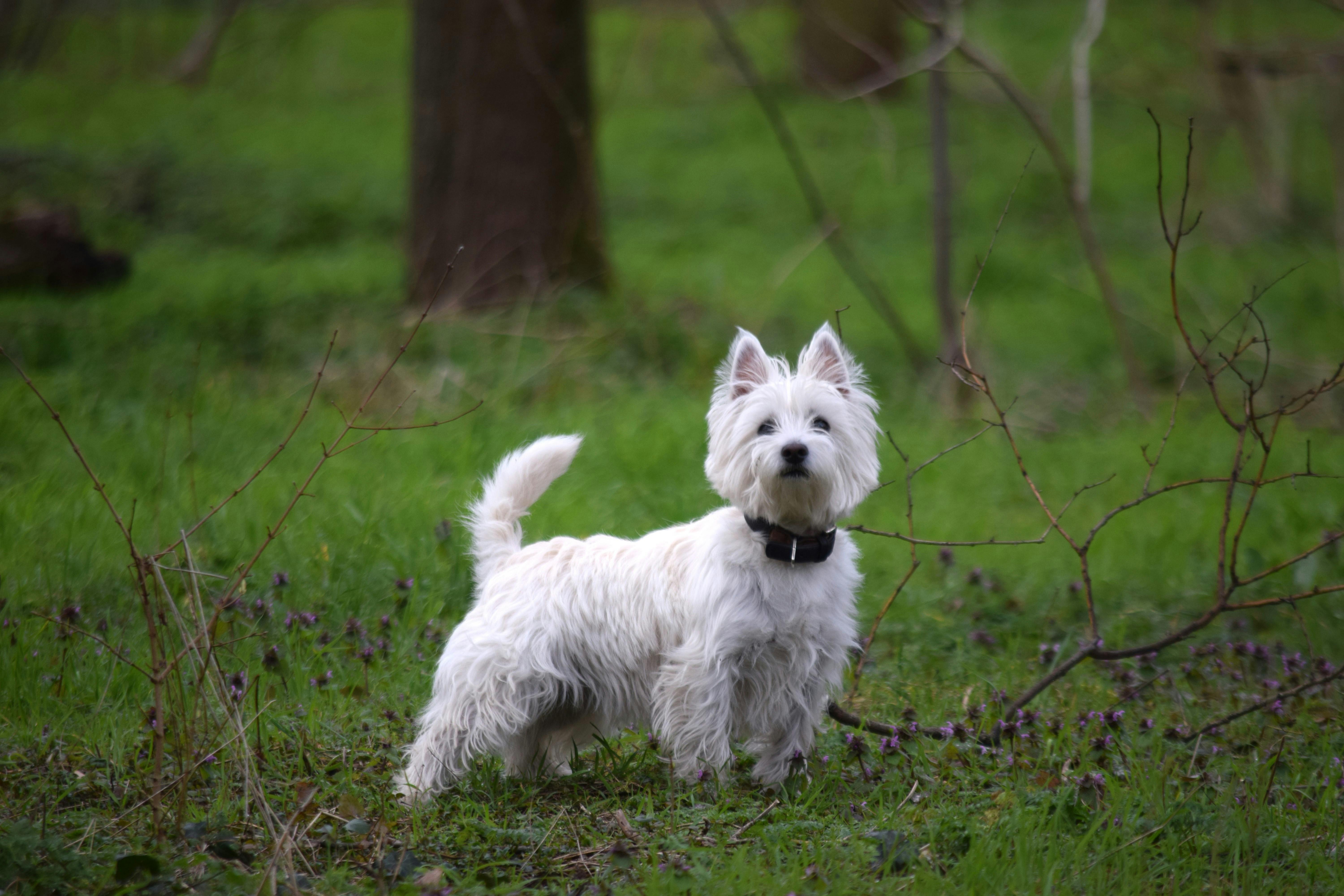
The West Highland White Terrier — affectionately known as the Westie — is a small Scottish terrier with a distinctive white coat, confident demeanor, and surprisingly tough nature. Originally bred to hunt rats, foxes, and other vermin on Scottish estates, today's Westies combine their working heritage with adaptability that makes them popular companions. Don't let their teddy bear appearance fool you. Behind that fluffy white coat lies a true terrier — independent, stubborn, vocal, and possessing prey drive that makes squirrels run for their lives. They're charming, entertaining, and devoted, but definitely dogs with opinions.
From Scottish Highlands to City Apartments
The West Highland White Terrier developed in Scotland during the 19th century, specifically in the western Highlands region including Argyllshire. Several Scottish estates bred small white terriers for hunting rats, foxes, badgers, and other vermin.
The breed's white color wasn't originally aesthetic preference but practical necessity. Colonel Edward Donald Malcolm of Poltalloch is credited with systematically breeding white terriers after accidentally shooting his favorite reddish-brown terrier while hunting, mistaking it for a fox. White dogs were easily distinguished from prey.
These small terriers worked in packs or individually, going to ground after prey in rocky terrain. They needed courage, tenacity, intelligence, and enough independence to work away from handlers. Size was important — small enough to enter burrows but substantial enough to handle tough work.
The breed was initially called various names including Poltalloch Terrier, Roseneath Terrier, and White Cairn. The name standardized to West Highland White Terrier in the late 1800s.
The Kennel Club (UK) recognized the breed in 1907, and the American Kennel Club followed in 1908. Westies quickly gained popularity both as working terriers and companions.
Today, few Westies work as originally intended, though they retain hunting instincts. They're primarily companions, show dogs, and sometimes competitive performers in earth dog trials or agility.
Confident, Independent, and Full of Spirit
The West Highland White Terrier is confident, alert, and remarkably independent for a small dog. They possess typical terrier temperament — bold, sometimes stubborn, and convinced they're much larger than reality suggests.
These dogs are devoted to their families while maintaining independent streaks that keep life interesting. They're affectionate on their terms, not typically clingy or desperate for attention. When they want cuddles, they'll seek you out.
Intelligence is notable, making them quick learners. However, they're also independent thinkers who decide whether your instructions make sense before complying. Training requires patience, consistency, and rewards that motivate them.
Westies are typically friendly with people when properly socialized, though some individuals can be reserved with strangers. They're alert watchdogs who bark readily at doorbell, unusual sounds, or anything worthy of comment — which is everything.
Prey drive runs strong. Westies chase squirrels, cats, small dogs, and anything that moves with focused determination. Many cannot be trusted off-leash in unfenced areas, and harmonious relationships with small pets aren't guaranteed.
Dog selectiveness can occur, particularly with same-sex individuals. Westies can be bossy or assertive with other dogs despite their small size. Early socialization helps but doesn't eliminate terrier tendencies.
With children, Westies can be good companions for respectful kids. However, they won't tolerate rough handling or teasing. Their terrier nature means they'll defend themselves if provoked.
The West Highland White Terrier stands about 10-11 inches tall and weighs 15-20 pounds. They're compact and sturdy, never delicate or fragile. Despite small size, they're substantial and well-muscled.
The pure white coat is their most distinctive feature. It's double-layered with a soft undercoat and harsh, straight outer coat about 2 inches long. The coat requires regular grooming to maintain proper texture and appearance.
The head is relatively large for body size with small, erect, pointed ears set wide apart. Eyes are medium-sized, dark, and set wide, creating an alert, intelligent expression. The muzzle is blunt, creating the characteristic Westie face.
Body is compact with a level back, deep chest, and well-muscled hindquarters. The tail is carried upright, 5-6 inches long, thick and covered with harsh hair.
Movement is free, straight, and purposeful, showing the working heritage. Despite short legs, Westies are surprisingly agile and capable of impressive speed.
10-11 in
15-22 lbs
Wire/Rough
12-16 years
West Highland White Terriers need moderate daily exercise — typically 30-60 minutes of walking, play, or other activity. They're more active than many small breeds and enjoy vigorous play and exploration.
Mental stimulation is important. These intelligent dogs benefit from training sessions, puzzle toys, and games that engage their minds. Bored Westies become destructive or develop obsessive behaviors.
Many Westies enjoy and excel at earth dog trials, where their natural hunting instincts shine. Agility, obedience, and rally also suit their abilities, though their independent nature makes perfect obedience challenging.
They adapt well to various living situations including apartments, provided they receive adequate exercise and mental enrichment. A small yard is nice but not essential.
Secure fencing is important, as Westies are escape artists who dig enthusiastically and may climb or squeeze through gaps. Their prey drive means they'll chase wildlife given opportunity.
West Highland White Terriers are intelligent and capable of learning quickly. However, training requires patience, consistency, and positive reinforcement methods that make cooperation worthwhile.
They respond to food treats, toys, and play but won't work simply to please you. Training must be engaging and beneficial from their perspective. Keep sessions short and varied to maintain interest.
Early socialization is important. Expose puppies to various people, animals, places, and experiences in positive ways. This helps manage terrier tendencies and prevents excessive wariness or aggression.
Barking management deserves attention. Westies are vocal and will bark readily without training to control it. Teaching "quiet" commands and rewarding appropriate behavior helps.
House training is usually straightforward, though consistency is important. Their terrier nature means they catch on quickly when training is clear and consistent.
These dogs can succeed with first-time owners committed to understanding terrier temperament and providing consistent training.
The West Highland White Terrier's coat requires regular grooming. Professional grooming every 6-8 weeks maintains proper texture and appearance. Between appointments, brushing several times weekly prevents mats and keeps the coat healthy.
Two grooming approaches exist: hand-stripping (pulling dead hairs) maintains proper harsh coat texture, or clipping, which is easier but softens the coat over time. Most pet owners choose clipping.
The white coat shows dirt readily, requiring regular cleaning and sometimes more frequent bathing than other breeds. Tear staining around eyes is common and requires daily cleaning.
Particular attention is needed around ears, belly, and legs where mats form easily. The beard area requires regular cleaning as it collects food and water.
Nail trimming, ear cleaning, and dental care follow standard routines. Westies are prone to dental disease, making regular dental care important.
12-16 years
West Highland White Terriers are generally healthy with a lifespan of 13-15 years. However, several conditions occur in the breed with some frequency.
Skin problems are relatively common in Westies. Atopic dermatitis, allergies, and yeast infections affect many individuals, sometimes requiring ongoing management. Westie lung disease (pulmonary fibrosis) occurs in the breed, though it's not common.
Craniomandibular osteopathy (CMO), also called "Westie jaw," causes painful bone growth in puppies' jaws, typically resolving by adulthood but requiring pain management during active phases.
Patellar luxation (slipping kneecaps) occurs. Hip dysplasia is relatively rare but can occur. Various eye conditions affect some lines.
Legg-Calve-Perthes disease, a hip joint condition, occurs in the breed. Responsible breeders screen for relevant genetic conditions.
West Highland White Terriers may be predisposed to the following health conditions. Click on any condition to learn more about symptoms, treatment, and prevention.
Endocrine
Hey, pet parents. We've talked about Cushing's disease, which is the overproduction of cortisol. Now let's talk...
Prevalence: Common
Musculoskeletal
Hello, fellow lovers of all things small and furry! Today, we're going to talk about a condition with a very long...
Prevalence: Common
Skin
Hey there, pet parents. Does your dog have skin that is excessively greasy and smelly? Or is it super dry and flaky,...
Prevalence: Common