Staffordshire Bull Terrier
A Tough Exterior Hiding a Gentle Soul
A Tough Exterior Hiding a Gentle Soul
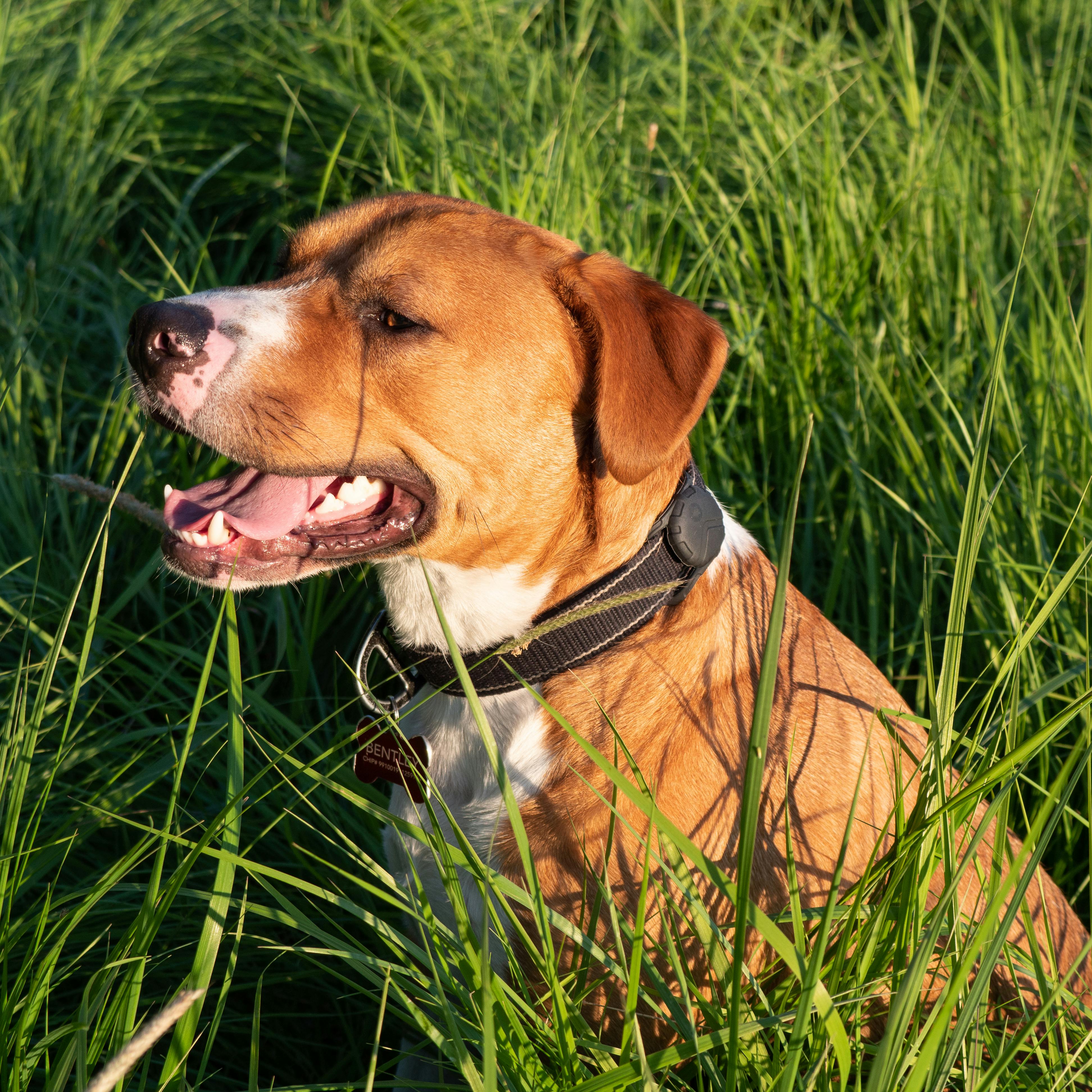
The Staffordshire Bull Terrier — affectionately known as the Staffie or Staffy Bull — is a medium-sized terrier with massive presence, incredible strength, and surprising gentleness with people. Originally bred for bull baiting and later dog fighting in 19th century England, today's Staffies combine their athletic heritage with devotion to family and legendary affection for children. Don't judge them by their muscular appearance or fighting history. These are people-oriented dogs who'd rather snuggle than fight, though they retain terrier tenacity, dog selectiveness, and prey drive. They're clowns, cuddlers, and loyal companions who happen to be built like small tanks.
The Staffordshire Bull Terrier developed in 19th century England, particularly in Staffordshire, through crosses of Bulldogs and terriers. The goal was creating dogs for bull baiting and later, when that was outlawed, for dog fighting — cruel blood sports popular among working-class men.
These dogs needed courage, determination, strength, and pain tolerance for their brutal work. However, handlers needed to safely manage dogs in the heat of fighting, so human aggression was strictly bred against. Dogs who bit handlers were culled, creating a breed with remarkable gentleness toward people despite their fighting purpose.
When blood sports were outlawed in England in 1835, many fighting dogs disappeared. However, working-class families in Staffordshire and surrounding areas kept breeding these dogs, gradually transitioning them from fighters to companions and family dogs.
The breed gained recognition from the English Kennel Club in 1935 as the Staffordshire Bull Terrier, differentiating them from the American Pit Bull Terrier, which developed along different lines. Recognition helped establish them as legitimate breed rather than fighting dogs.
The American Kennel Club recognized Staffordshire Bull Terriers in 1974, classifying them in the Terrier Group. Today, they're beloved companions in many countries, though breed-specific legislation in some areas restricts ownership due to confusion with other bull breeds.
The Staffordshire Bull Terrier's temperament often surprises people expecting aggressive fighters. These dogs are remarkably people-oriented, forming deep bonds with families and showing particular gentleness with children. In Britain, they're known as "nanny dogs" for their patience and protectiveness with kids.
Staffies are affectionate to an almost comical degree. Many are cuddlers who lean heavily against you, climb into laps despite their muscular 30-pound bodies, and demand physical closeness. They're velcro dogs who want constant companionship.
Intelligence is notable, making them trainable when properly motivated. However, they're also stubborn with typical terrier independence. Training requires patience, consistency, and positive methods that make cooperation worthwhile.
Energy levels are high to moderate. Staffies are playful, athletic dogs who enjoy vigorous exercise and active games. They're not hyperactive but need regular outlets for their energy and strength.
Dog selectiveness is real. Many Staffies, particularly males, are aggressive toward other dogs, especially same-sex individuals. This isn't universal, but it's common enough to require serious socialization and management. Dog parks are often inappropriate for Staffies.
Prey drive can be significant. Some Staffies chase cats, small dogs, or other small animals with focused determination. Early socialization helps but doesn't guarantee harmonious relationships with small pets.
Despite their fighting heritage, human aggression is extremely atypical. Properly bred and socialized Staffies should never show aggression toward people. Any human aggression is a serious temperament fault.
The Staffordshire Bull Terrier stands 14-16 inches tall and weighs 24-38 pounds, though they feel much heavier due to dense muscle and bone. They're stocky, muscular, and incredibly strong for their size.
The head is broad and short with pronounced cheek muscles, giving them a powerful, determined expression. Eyes are dark, round, and medium-sized. Ears are rose or half-pricked, small, and carried close to the head.
Coat is short, smooth, and close-fitting, requiring minimal maintenance. Colors include red, fawn, white, black, blue, or brindle — all with or without white markings. The coat is easy to care for but sheds moderately.
The body is compact with a broad chest, level topline, and well-muscled build. Legs are well-boned and muscular. The tail is medium length, low-set, and carried low.
Movement is powerful and agile. Despite their stocky build, Staffies are athletic and capable of impressive speed and jumping ability.
14-16 in
24-38 lbs
12-14 years
Staffordshire Bull Terriers need substantial daily exercise — at least one hour of vigorous activity. They enjoy walks, running, games of fetch, and any activity allowing them to use their athletic ability.
Mental stimulation is important. These intelligent dogs benefit from training sessions, puzzle toys, and games that engage their minds. Boredom leads to destructive behavior.
Many Staffies excel at dog sports including weight pulling, agility, and obedience. These activities provide excellent physical and mental outlets while building bonds with handlers.
Play with other dogs requires careful management. While some Staffies enjoy appropriate canine playmates, many are dog-selective and can be aggressive. Supervision and careful selection of play partners is essential.
Due to their strength and determination, activities involving pulling or tugging should be managed carefully. Staffies are incredibly strong, and uncontrolled pulling games can reinforce behaviors that make them difficult to handle.
Staffordshire Bull Terriers are intelligent and capable of learning quickly. However, training requires patience, consistency, and positive reinforcement methods. They respond well to food rewards, play, and praise.
Their stubborn streak means they won't comply simply to please you. Training must be engaging and worthwhile from their perspective. Keep sessions fun and varied to maintain interest.
Early socialization is absolutely critical. Expose puppies to many people, dogs (carefully selected), places, and experiences in positive ways. This helps manage dog aggression and builds confidence.
Leash training deserves serious attention. Staffies are strong and can pull impressively. Teaching polite leash manners while they're young is essential for manageable walks.
Resource guarding can occur, requiring management from puppyhood. Teaching "trade" or "drop it" commands and handling puppies around food and toys helps prevent possessive behaviors.
These dogs can succeed with committed first-time owners, though experience helps. They're forgiving of mistakes but reward consistency and clear communication.
The Staffordshire Bull Terrier's short coat is low-maintenance. Weekly brushing removes loose hair and keeps the coat healthy. They shed moderately year-round, with slightly heavier seasonal shedding.
Bathing is needed occasionally when the dog gets dirty or develops odor. The coat is easy to maintain between baths.
Nail trimming, ear cleaning, and dental care follow standard routines. Many Staffies resist grooming, requiring patient acclimation from puppyhood.
Temperature sensitivity is notable. Their short coats provide minimal insulation, making them sensitive to cold weather. They need protection in winter. They also overheat relatively easily in extreme heat.
12-14 years
Staffordshire Bull Terriers are generally healthy with a lifespan of 12-14 years. However, several conditions occur in the breed with some frequency.
L-2-hydroxyglutaric aciduria (L-2-HGA), a metabolic disorder affecting the nervous system, occurs in Staffies. Responsible breeders test for this. Hereditary cataracts and other eye problems can occur.
Hip dysplasia affects some lines. Patellar luxation (slipping kneecaps) occurs occasionally. Skin allergies are relatively common, sometimes requiring dietary management or medication.
Their high pain tolerance means injuries or health problems may not be obvious until advanced. Regular veterinary care and monitoring are important.
Responsible breeders health test for L-2-HGA, eye diseases, and hip dysplasia. Selecting puppies from tested parents helps ensure the healthiest possible dog.
Staffordshire Bull Terriers may be predisposed to the following health conditions. Click on any condition to learn more about symptoms, treatment, and prevention.