Shih Tzu
An Ancient Companion Bred for Royalty
An Ancient Companion Bred for Royalty
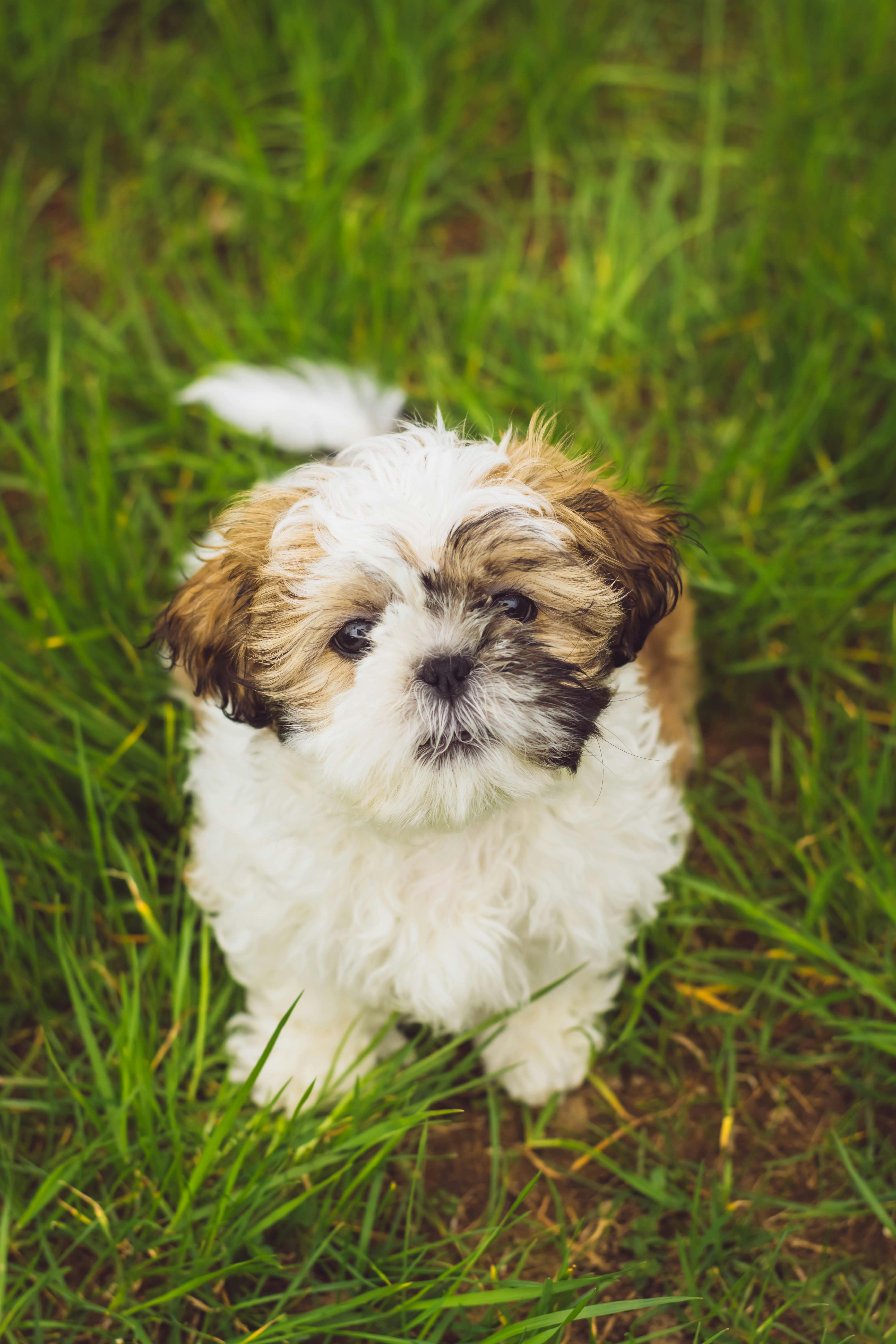
The Shih Tzu is a small toy breed with ancient Chinese origins — a charming, affectionate companion with a luxurious flowing coat and a personality that's equal parts playful, stubborn, and devoted. Bred purely as palace companions for Chinese emperors, these dogs were never workers or hunters. They exist solely to be companions, and they excel at it. Don't expect athletic prowess or obedience competition wins. Shih Tzus are lap dogs who happen to have minds of their own, combining genuine affection with independent streaks that keep training interesting. They're adaptable, people-oriented, and happiest when near their families.
The Shih Tzu's history reaches back over a thousand years to ancient China, where they were bred exclusively as companions for Chinese royalty. The name means "lion dog," referring to their resemblance to Chinese guardian lions depicted in art.
The breed likely developed from crosses between Tibetan dogs (possibly Lhasa Apsos) gifted to Chinese emperors and small Chinese breeds like the Pekingese. These palace dogs lived pampered lives, kept by emperors and forbidden to commoners.
During the Ming and Qing dynasties, Shih Tzus were particularly favored. The Dowager Empress Cixi kept kennels of Shih Tzus, Pugs, and Pekingese, carefully breeding them. After her death in 1908 and with political upheaval in China, the breed nearly vanished.
The breed survived thanks to a handful of dogs that made their way to England in the 1930s. Virtually all Shih Tzus today descend from just fourteen dogs used to rebuild the breed. British fanciers established breed standards and began breeding programs.
Shih Tzus arrived in the United States after World War II, gaining American Kennel Club recognition in 1969. They quickly became popular, consistently ranking among the most beloved toy breeds worldwide.
Today, they're purely companions, bred for temperament, health, and beauty rather than any working purpose.
Affectionate, Playful, and Somewhat Stubborn
The Shih Tzu is outgoing, affectionate, and friendly. They're bred purely to be companions, and they take this job seriously. These dogs want to be with their people, following from room to room and happiest when near family members.
Unlike some toy breeds that bond primarily with one person, Shih Tzus typically enjoy everyone in the household. They're friendly, sociable, and generally good-natured with people of all ages. They adapt well to various households from singles to families with children.
Playfulness is a breed characteristic. Shih Tzus enjoy games, toys, and interactive play. Many remain playful well into old age, maintaining puppy-like enthusiasm for fun.
Intelligence is present but paired with stubbornness. They're not eager-to-please dogs who live for your approval. Training requires patience and consistency, as Shih Tzus decide whether compliance serves them before obeying.
These dogs are relatively calm indoors, content to nap on the couch between play sessions. They're not hyperactive or demanding constant entertainment, making them adaptable to various lifestyles including apartment living.
Shih Tzus are generally friendly with other dogs and pets, though proper socialization helps ensure harmonious relationships. They're alert and will bark at doorbell or unusual sounds but aren't typically excessive barkers.
Their brachycephalic (short-faced) structure means they don't tolerate heat well and can have breathing difficulties. They're indoor dogs who shouldn't be left outside in warm weather.
Small, Sturdy, and Covered in Coat
The Shih Tzu stands 9-10.5 inches tall and weighs 9-16 pounds. They're longer than tall, solid and compact rather than delicate. Despite being toy dogs, they're surprisingly sturdy.
Their most striking feature is the luxurious, flowing coat — long, dense, and double-layered, growing continuously rather than shedding seasonally. All colors and markings are acceptable, though white blazes on the forehead and white tip on the tail are prized.
The head is round and broad with large, dark eyes that convey warmth and sweetness. The muzzle is short and square, creating the characteristic "chrysanthemum face" when facial hair grows long. Ears are large, set below the crown, and covered with long hair that blends with the neck coat.
The tail is heavily plumed and carried over the back in a curve. Overall appearance is proud and arrogant despite friendly temperament — what breed standard describes as "distinctly arrogant carriage."
Movement is smooth and flowing, though their short legs create a slightly rolling gait. They're surprisingly agile despite their build and coat.
Shih Tzus need minimal exercise compared to sporting or working breeds. Short daily walks and indoor play sessions typically suffice. They're adaptable to various activity levels, happy to walk more with active owners or content with less for sedentary households.
Mental stimulation in the form of toys, gentle training, and interactive play keeps them engaged. They're not demanding of constant mental challenges, making them suitable for less active owners or elderly people.
These dogs are highly adaptable to apartment living. They can meet most exercise needs indoors and don't require yards, though access to outdoor space is nice.
Heat and cold sensitivity require monitoring. Their short faces make them vulnerable to overheating, and they shouldn't exercise heavily in warm weather. Cold sensitivity means they need protection in winter.
Shih Tzus are intelligent enough to learn quickly but stubborn enough to make training interesting. Positive reinforcement with treats, toys, and praise works best. Keep sessions short and engaging.
Their independent nature means they won't obey simply to please you. Training must offer clear benefits from their perspective. Patience and consistency yield results, though expecting perfect obedience is unrealistic.
Early socialization helps ensure their friendly nature develops appropriately. Expose puppies to various people, animals, places, and experiences in positive ways.
House training can be challenging, as with many toy breeds. Their small bladders mean frequent trips outside, and accidents are easy to miss. Consistent crate training and patience usually succeed, though some Shih Tzus take longer than other breeds.
Many Shih Tzus succeed at therapy work, where their friendly, calm nature shines. They're also increasingly seen in competitive obedience and agility, though they're not the most common breeds in these venues.
The Shih Tzu's flowing coat requires substantial grooming commitment. Show dogs need daily brushing and regular bathing to maintain floor-length coats. Pet owners often choose shorter clips that are easier to maintain but still require professional grooming every 6-8 weeks.
Even in short clips, daily brushing prevents mats, particularly around ears, legs, and sanitary areas. The coat mats easily if neglected.
Bathing is needed every 3-4 weeks to keep the coat clean and healthy. The dense coat takes time to dry thoroughly. Many owners use professional groomers for bathing and clipping.
Facial cleaning is daily maintenance. The short face and large eyes mean tears stain the facial hair, requiring regular cleaning to prevent staining and maintain hygiene. The topknot or facial hair needs regular attention to keep it from irritating eyes.
Ear cleaning, nail trimming, and dental care follow standard routines. Dental care is particularly important, as small breeds are prone to dental disease.
10-18 years
Shih Tzus are generally healthy with a lifespan of 10-18 years, often living well into their teens. However, their distinctive structure contributes to certain health concerns.
Brachycephalic syndrome, related to their short faces, can cause breathing difficulties. Some individuals require surgery to improve airway function. They're vulnerable to heat stroke and should be monitored carefully in warm weather.
Eye problems are common due to large, prominent eyes. Corneal ulcers, dry eye, and progressive retinal atrophy occur. Eyes require monitoring and protection from trauma.
Hip dysplasia, patellar luxation, and intervertebral disc disease affect some Shih Tzus. Dental disease is common, requiring regular dental care. Allergies and skin problems occur with some frequency.
Portosystemic shunt, a liver condition, occurs in the breed more than average. Kidney disease can develop in some lines. Responsible breeders screen for genetic conditions.
Shih Tzus may be predisposed to the following health conditions. Click on any condition to learn more about symptoms, treatment, and prevention.
Digestive
Hey there, pet parents! Let's talk about something that affects almost every single dog at some point in their life:...
Prevalence: Common
Cardiovascular
Hello, wonderful pet parents! Today, we're going to talk about the most common heart disease in dogs, especially our...
Prevalence: Common
Respiratory
Hello, wonderful pet parents! If you're the owner of a small or toy breed dog, you may be familiar with a very...
Prevalence: Common