Shiba Inu
An Ancient Japanese Hunter with Bold Independence
An Ancient Japanese Hunter with Bold Independence
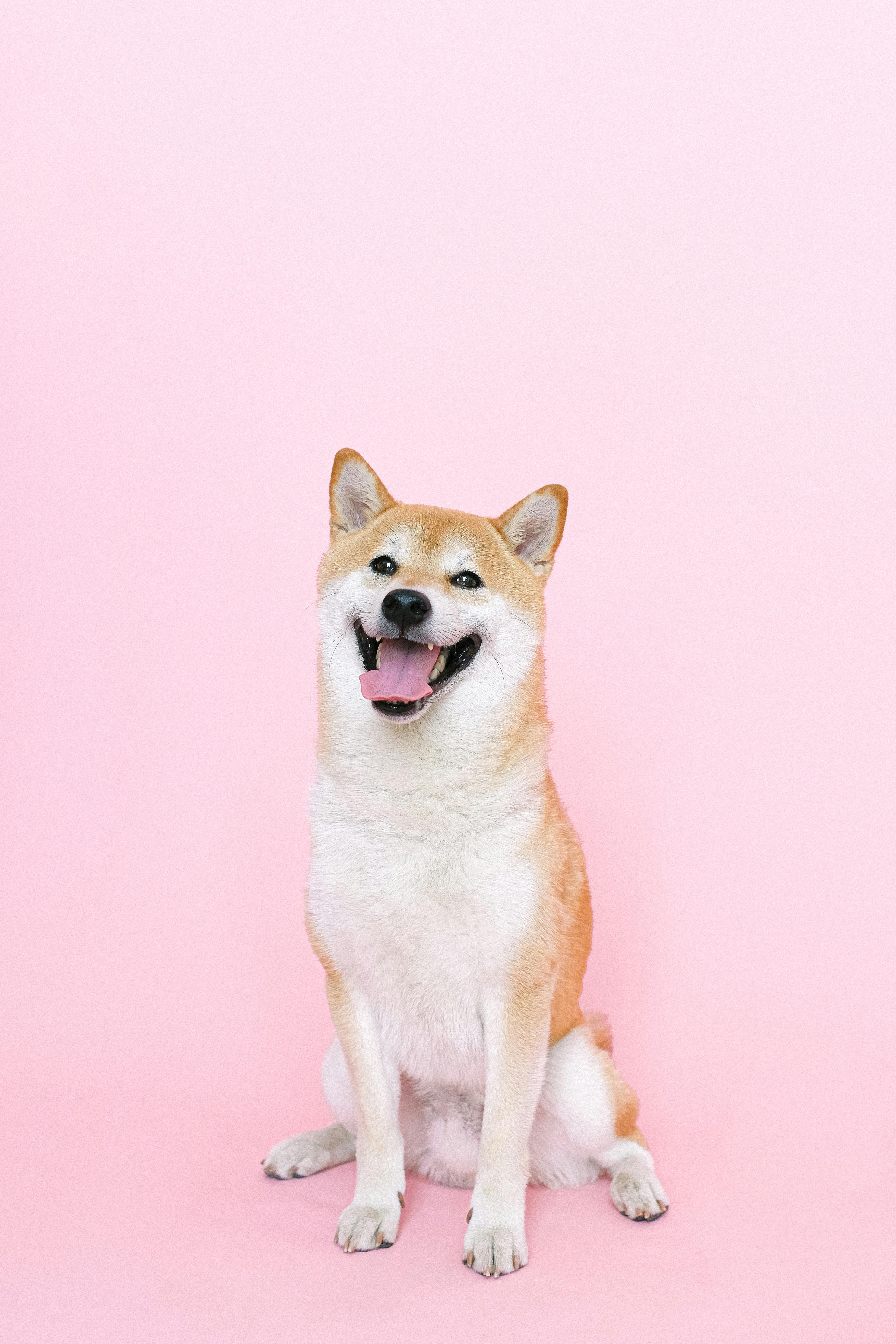
The Shiba Inu is Japan's smallest native breed — a compact, agile spitz with fox-like appearance, fierce independence, and surprising boldness. Originally bred to hunt small game and birds in Japan's mountainous regions, today's Shibas combine their hunting heritage with cat-like cleanliness, intense loyalty to family, and wariness toward strangers. Don't expect a cuddly, eager-to-please companion. These dogs are independent, strong-willed, and possess what enthusiasts call "Shiba spirit" — a confident, sometimes stubborn temperament that demands respect. They're beautiful, intelligent, and devoted in their own way, but definitely not for everyone.
The Shiba Inu is one of Japan's six native spitz breeds and the smallest. The breed's history stretches back thousands of years, with dogs resembling modern Shibas existing in Japan as early as 300 B.C. They were bred to hunt in the mountainous regions of Japan, flushing birds and small game.
The name "Shiba" has disputed origins. Some believe it comes from the Japanese word for brushwood (referencing either the terrain where they hunted or their red coat color resembling autumn brushwood). Others suggest it's an archaic word meaning "small."
The breed nearly vanished during World War II due to food shortages and a distemper outbreak. After the war, dedicated breeders worked to preserve the remaining dogs, combining the few surviving bloodlines to revitalize the breed.
The first Shiba arrived in the United States in 1954, though serious importation didn't begin until the 1970s. The American Kennel Club recognized the breed in 1992. Since then, Shibas have gained tremendous popularity, partly due to internet fame (the "doge" meme featured a Shiba Inu).
Today, Shibas are popular worldwide as companions, though they remain most common in Japan where they're treasured as national heritage.
The Shiba Inu is confident, alert, and remarkably independent. They're devoted to their families but not clingy or desperate for attention. Affection happens on their terms — they'll seek you out when they want interaction, not necessarily when you invite it.
This breed possesses strong prey drive and hunting instinct. They'll chase squirrels, cats, or other small animals with focused determination. Many Shibas cannot be trusted around small pets and should never be off-leash in unfenced areas.
Shibas are territorial and possessive of their space, toys, and food. Resource guarding can become problematic without proper management from puppyhood. They're also often dog-selective, particularly same-sex aggressive, requiring careful socialization.
Their cat-like qualities include fastidious cleanliness (they often groom themselves like cats), dislike of water and baths, and independence that resembles feline more than typical canine behavior. They're also surprisingly quiet compared to some breeds, though they produce the famous "Shiba scream" — a high-pitched, dramatic vocalization when unhappy.
Intelligence is significant, but they're not eager to please. Shibas learn quickly but decide whether compliance serves them. Training requires patience, consistency, and understanding that you're negotiating with an independent spirit, not commanding an obedient follower.
With proper socialization, Shibas can be good with children, though their possessive nature and dislike of rough handling require supervision. They're typically reserved or aloof with strangers, neither friendly nor aggressive.
The Shiba Inu stands 13.5-16.5 inches tall and weighs approximately 17-23 pounds, with males larger than females. They're well-muscled and compact, built for agility and quick movements in difficult terrain.
The head is fox-like with triangular, pricked ears, dark brown eyes, and an alert, confident expression. The muzzle is firm and tapers slightly to a black nose (or flesh-colored in white Shibas).
Coat is double-layered with a soft, thick undercoat and stiff, straight outer coat that stands off the body. The tail is thick and carried over the back in a sickle or curl. Colors include red (most common), black and tan, sesame (red with black-tipped hairs), and cream (not preferred but occurs).
The white markings or "urajiro" — white to cream coloring on chest, belly, cheeks, inside ears, and underside of tail — is a required feature of proper Shiba coloring.
Movement is quick, light, and agile, showing the athletic ability that made them effective hunters. Despite their compact size, Shibas are athletic and capable of impressive speed and agility.
13-17 in
17-23 lbs
12-15 years
Shiba Inus need moderate daily exercise — typically 30-60 minutes of activity. They enjoy walks, hiking, and active play. Their hunting heritage means they appreciate activities that engage natural instincts.
Mental stimulation is important, though Shibas are less demanding of constant mental challenges than some working breeds. Puzzle toys, training sessions, and varied activities keep them engaged.
This breed should never be trusted off-leash in unfenced areas. Their prey drive and independent nature mean they'll chase wildlife or simply decide to explore, completely ignoring recall commands. A solid fence at least six feet high is essential, as many Shibas are escape artists who can climb or jump.
Many Shibas enjoy hiking and can handle substantial distances once mature. They're adaptable to apartment living if given adequate exercise and mental stimulation.
Shiba Inus are intelligent and capable of learning quickly, but training requires patience, consistency, and realistic expectations. They're not Golden Retrievers who eagerly obey every command.
Positive reinforcement works best, using high-value rewards that motivate them. Harsh corrections damage trust and can create aggression or complete shutdown. Remember, you're negotiating with an independent partner, not commanding a subordinate.
Early socialization is absolutely critical. Expose puppies to many people, dogs, places, and experiences in positive ways. This helps manage their territorial nature, reduces same-sex aggression, and prevents fearfulness.
Resource guarding management should begin in puppyhood. Teaching "trade" or "drop it" commands and handling puppies around food, toys, and valued items helps prevent possessive behaviors.
Recall training should begin early though off-leash reliability remains nearly impossible for most Shibas. Their hunting drive and independence override training when they catch interesting scent or sight prey.
The Shiba Inu's coat is relatively low-maintenance most of the year. Weekly brushing keeps it healthy and controls moderate shedding. However, Shibas "blow their coat" twice yearly — massive shedding events where the undercoat comes out in alarming quantities.
During coat-blowing season, daily brushing helps manage the volume of loose fur, though you'll still find hair everywhere. This shedding period lasts several weeks.
Most Shibas dislike water and baths, making bath time potentially dramatic. The famous "Shiba scream" often accompanies bathing attempts. Fortunately, their cat-like cleanliness means bathing is needed only occasionally.
Nail trimming, ear cleaning, and dental care follow standard routines, though handling sensitivity means acclimatizing puppies to grooming early pays dividends.
12-15 years
Shiba Inus are generally healthy with a lifespan of 12-15 years. They're relatively free of major genetic problems compared to many pure breeds.
Patellar luxation (slipping kneecaps) occurs with some frequency. Hip dysplasia is relatively rare but can occur. Eye problems including progressive retinal atrophy and glaucoma affect some lines.
Allergies (food or environmental) are relatively common in the breed, sometimes requiring dietary management or medication. Hypothyroidism can develop in some individuals.
Overall, Shibas are hardy dogs with fewer health problems than many breeds. Selecting puppies from health-tested parents helps ensure the healthiest possible dog.