Shetland Sheepdog
A Miniature Collie with Maximum Intelligence
A Miniature Collie with Maximum Intelligence
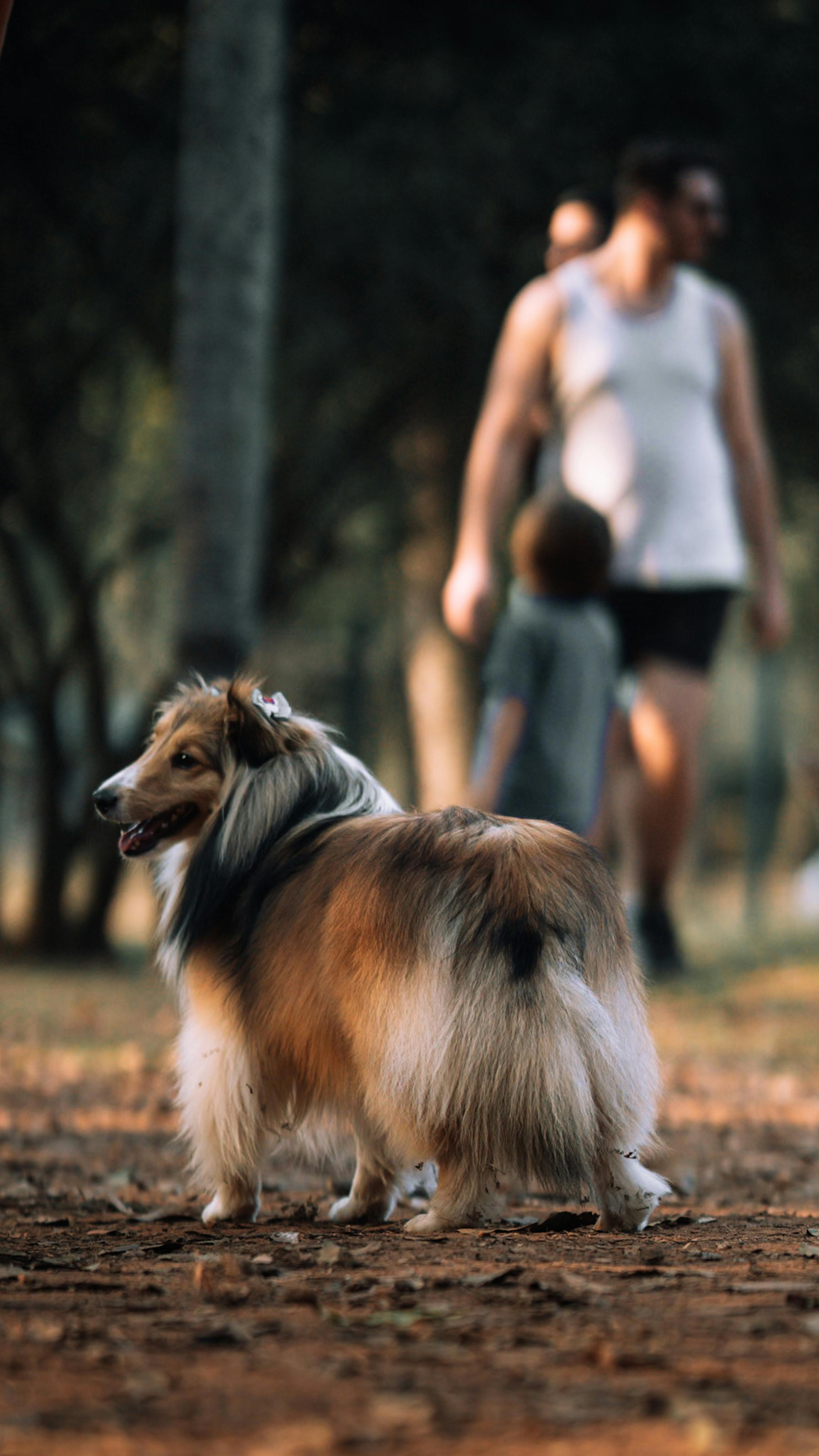
The Shetland Sheepdog — affectionately known as the Sheltie — is a small herding dog with the appearance of a miniature Rough Collie and the working ability to match. Developed in Scotland's remote Shetland Islands to herd sheep and ponies, today's Shelties combine exceptional intelligence, trainability, and devotion with energy levels that surprise people expecting a calm, decorative companion. Don't let their beautiful coat and gentle expression fool you. These are thinking, working dogs who need mental stimulation, physical activity, and purposeful engagement. They're sensitive, vocal, and form deep bonds with their families while remaining reserved with strangers.
The Shetland Sheepdog developed on Scotland's Shetland Islands — the same harsh, remote environment that produced Shetland ponies and Shetland sheep. The breed's small size likely resulted from limited resources on the islands, where smaller animals required less food while still performing necessary work.
These dogs herded sheep and ponies, guarded crofts (small farms), and served as companions. Their intelligence, trainability, and loyalty made them valuable on the isolated islands where dogs needed to work independently and reliably.
The exact breeds contributing to the Sheltie's development remain debated. Border Collies, Rough Collies, and possibly Pomeranian or King Charles Spaniel likely played roles. The result was a small, intelligent herding dog with a beautiful coat and devoted temperament.
Originally called Shetland Collies, the name changed to Shetland Sheepdog after Collie fanciers objected to the association. The breed gained recognition from the English Kennel Club in 1909 and the American Kennel Club in 1911.
Shelties quickly became popular show dogs, though many lost their working ability as breeders focused on appearance. Some lines maintained herding instinct and ability, and today the breed competes successfully in both conformation and performance events.
The Shetland Sheepdog is exceptionally intelligent — often ranked among the smartest breeds. They learn rapidly, remember training well, and excel at activities requiring quick thinking and problem-solving. This intelligence needs engagement; a bored Sheltie becomes anxious or develops obsessive behaviors.
These dogs are intensely devoted to their families, bonding closely and wanting constant companionship. They're sensitive to mood and environment, responding to tension or emotion in ways that can be both wonderful and challenging. They seem to read minds, anticipating actions before they happen.
Shelties are typically reserved or aloof with strangers, taking time to warm up to new people. This wariness is normal and manageable with socialization but can become fearfulness or excessive shyness without proper exposure.
Vocal nature is a breed characteristic. Shelties bark readily — announcing visitors, alerting to sounds, expressing excitement, or simply because something seems worthy of comment. This makes them excellent watchdogs but can become excessive without training.
Herding instinct runs strong in many lines. Shelties may attempt to herd children, other pets, or moving objects, often circling, nipping at heels, or intense staring. This behavior requires management and appropriate outlets.
Sensitivity is both gift and challenge. These dogs respond beautifully to gentle training but can shut down with harsh corrections. They're easily stressed by loud environments, conflict, or chaotic households.
Beautiful Coat, Refined Build
The Shetland Sheepdog stands 13-16 inches tall and weighs 15-25 pounds. They're small but well-proportioned and athletic, built for agility and endurance rather than strength.
Their coat is their glory — a thick double coat with long, harsh outer coat and soft, dense undercoat. The mane and frill around neck and chest are particularly abundant. Colors include sable (ranging from golden to mahogany), blue merle, and black, all typically with white markings and/or tan points.
The head is refined and wedge-shaped with small, semi-erect ears that tip forward. Eyes are medium-sized, dark (except in blue merles, where one or both may be blue or merled), and incredibly expressive. The face conveys intelligence and gentle sweetness.
Their resemblance to Rough Collies is obvious, leading to frequent confusion. While similar, Shelties are distinct breed, not simply small Collies. Proportions, ear carriage, and other features differ beyond just size.
Movement is smooth, effortless, and surprisingly fast. Despite their small size, Shelties are athletic and capable, able to turn quickly and cover ground efficiently.
Shetland Sheepdogs need moderate to high daily exercise — at least 30-60 minutes of activity. They enjoy walks, running, hiking, and active play. Many Shelties remain energetic well into adulthood, maintaining puppy-like enthusiasm for activity.
Mental stimulation is equally critical. These intelligent dogs need puzzle toys, training sessions, scent work, and activities that challenge their minds. Simply walking around the block won't satisfy their need for mental engagement.
Shelties excel at dog sports, particularly those requiring intelligence and speed. Agility, obedience, rally, herding, and tracking all suit their abilities beautifully. Competitive outlets provide perfect combinations of physical exercise and mental challenge.
Without adequate outlets, Shelties can develop anxiety, obsessive behaviors (shadow chasing, tail chasing, excessive barking), or destructive behaviors. They're not suitable for people unable to provide substantial daily engagement.
Shetland Sheepdogs are exceptionally trainable, learning quickly and retaining training reliably. They're eager to work and responsive to handlers who communicate clearly and fairly. This makes them excellent for owners committed to training.
Positive reinforcement methods work beautifully. These sensitive dogs respond poorly to harsh corrections, which can create fearfulness or shut them down completely. They want to please and learn eagerly when training is encouraging and fair.
Early socialization is absolutely critical. Expose puppies to many people, places, animals, and experiences in positive ways. This helps prevent the shyness or fearfulness that can develop in under-socialized Shelties.
Keep training engaging and varied. Shelties bore with excessive repetition and may start offering alternative behaviors or refusing to work. Their intelligence means they need interesting challenges.
Barking management deserves attention from the start. Teaching "quiet" commands and rewarding appropriate behavior helps prevent excessive vocalization, though completely eliminating barking isn't realistic or desirable.
The Shetland Sheepdog's abundant coat requires substantial grooming. Brushing several times weekly prevents mats and controls shedding, though daily brushing is ideal during heavy shedding periods.
They shed year-round with heavy seasonal "blowing" of the undercoat that can be overwhelming. During these periods, prepare for massive amounts of loose coat requiring daily brushing and constant vacuuming.
Particular attention is needed behind ears, under legs, and in the ruff where mats form easily. The coat's volume means thorough brushing takes time — this isn't a quick five-minute task.
Bathing is needed periodically, more frequently if the dog gets dirty. The thick coat takes considerable time to dry thoroughly. Many owners use professional groomers occasionally, though the coat can be maintained at home.
Nail trimming, ear cleaning, and dental care follow standard routines. The coat around feet often needs trimming to prevent matting and debris collection.
12-14 years
Shetland Sheepdogs are generally healthy with a lifespan of 12-14 years. However, several conditions occur in the breed with some frequency.
Collie eye anomaly (CEA) is relatively common, ranging from mild to severe. Responsible breeders test for this. Progressive retinal atrophy and other eye diseases also occur. Hip dysplasia affects some lines despite their small size.
Von Willebrand's disease (a bleeding disorder), hypothyroidism, and epilepsy occur in the breed. Dermatomyositis, a hereditary skin and muscle condition, affects some lines.
MDR1 gene mutation causes sensitivity to certain medications and occurs frequently in herding breeds including Shelties. Testing identifies affected dogs, allowing veterinarians to avoid problematic medications.
Dental disease is common, making dental care important throughout life. Their sensitivity means they can be prone to stress-related issues without appropriate environment and handling.