Rhodesian Ridgeback
A Noble Hunter with Independent Spirit
A Noble Hunter with Independent Spirit
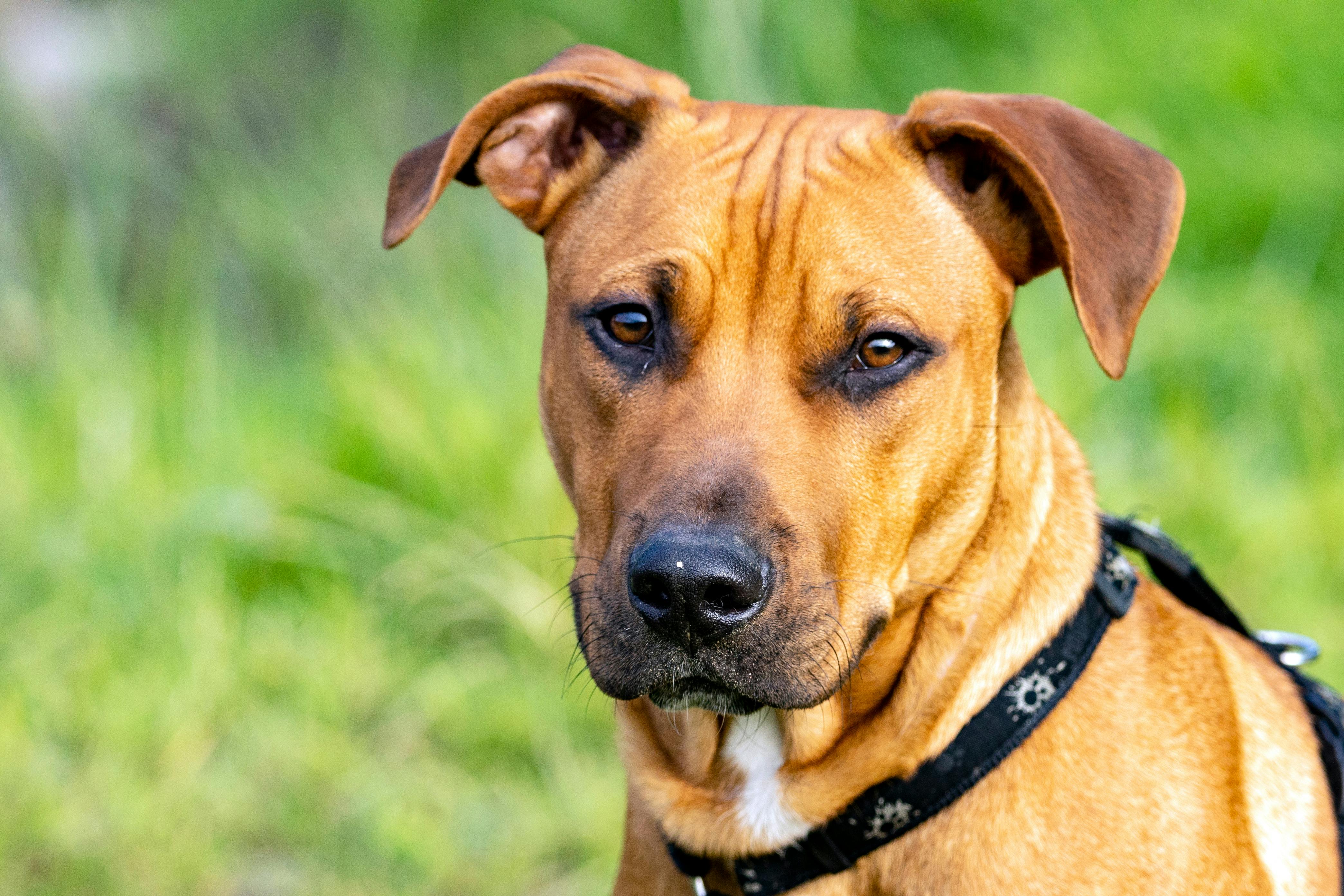
The Rhodesian Ridgeback is a large, powerful hound developed in Africa to hunt lions — a dignified, athletic dog with distinctive ridge of backwards-growing hair along their spine. Originally bred to track and bay lions while protecting farms and families, today's Ridgebacks combine their hunting heritage with devoted companionship. Don't expect a docile, obedient follower. These are independent, intelligent, strong-willed dogs who think for themselves, require experienced handling, and possess deep loyalty to their families alongside wariness toward strangers. They're noble, capable dogs who demand respect and give it in return.
The Rhodesian Ridgeback's development began in South Africa during the 16th and 17th centuries when European settlers brought various breeds — Mastiffs, Great Danes, Bloodhounds, and others — that were crossed with semi-domesticated ridged hunting dogs kept by the Khoikhoi people.
These crosses created dogs capable of surviving Africa's harsh conditions while performing multiple roles: hunting, guarding homesteads, and protecting families. They needed stamina to track game over long distances, courage to confront dangerous animals, and intelligence to work independently.
The breed became particularly associated with big game hunting in what was then Rhodesia (now Zimbabwe). Hunters used them to track lions, holding the prey at bay until hunters arrived — they were "lion dogs" who worked in packs to corner dangerous game.
In 1922, a breed standard was established in Rhodesia, defining the characteristics we recognize today. The breed's name became Rhodesian Ridgeback, acknowledging both their origin and distinctive feature.
The breed reached the United States in the 1950s, gaining American Kennel Club recognition in 1955. They're classified in the Hound Group despite having many working breed characteristics. Today, Ridgebacks serve primarily as companions and family guardians, though some still hunt.
The Rhodesian Ridgeback is dignified, calm, and confident. They're not exuberant or overly demonstrative, preferring quiet devotion to constant attention-seeking. With their families, they're affectionate and loyal; with strangers, they're reserved and watchful.
This breed bonds deeply with their people, forming strong attachments and showing protective instincts. They're natural guardians who take family protection seriously without training. This protective nature requires proper socialization and management.
Ridgebacks are independent thinkers bred to make decisions while hunting far from their handlers. This independence manifests as stubbornness during training — they'll consider your instructions and decide whether compliance makes sense. They're not eager-to-please dogs who live for your approval.
Intelligence is significant, making them quick learners who remember experiences well. However, they need reason to cooperate. Training must be fair, consistent, and respectful of their nature.
Energy levels are moderate to high, particularly when young. They need regular exercise but aren't hyperactive. Adult Ridgebacks are often calm indoors while maintaining athletic ability and stamina outdoors.
Sensitivity to family dynamics is notable. These dogs pick up on tension, emotion, and household atmosphere, responding to mood in ways that surprise owners expecting aloof hounds.
With proper socialization, Ridgebacks can be good with children, though their size and energy require supervision with young kids. Dog aggression, particularly same-sex aggression, can occur and requires management.
The Rhodesian Ridgeback is a large, muscular dog standing 24-27 inches tall and weighing 70-85 pounds, with males larger than females. They're well-balanced and athletic, built for speed and endurance.
Their most distinctive feature is the ridge — a strip of hair growing in the opposite direction from the rest of the coat, running along the spine from shoulders to hips. The ridge should be clearly defined with two identical crowns (whorls) opposite each other.
The coat is short, dense, and sleek in a wheaten color ranging from light wheat to red wheat. A small amount of white on the chest and toes is permissible. The coat is low-maintenance and sheds moderately.
The head is fairly long with a flat skull, moderately defined stop, and powerful muzzle. Eyes are round and should harmonize with coat color. Ears are medium-sized, set high, and carried close to the head. The overall expression is intelligent and dignified.
Movement is straight, free, and efficient, showing the athletic ability and endurance bred into the dog. They're capable of impressive speed and can maintain a steady pace for long distances.
24-27 in
70-85 lbs
10-12 years
Rhodesian Ridgebacks need substantial daily exercise — at least an hour of vigorous activity. Long walks, running, hiking, and off-leash play in secure areas all work well. They have stamina and won't tire as quickly as many breeds their size.
Mental stimulation is important, though Ridgebacks don't need the constant mental challenges some working breeds require. Training sessions, puzzle toys, and varied activities keep their minds engaged.
Many Ridgebacks enjoy lure coursing, which taps into their hunting heritage. Hiking, jogging, and other endurance activities suit their build and temperament well. They're excellent running partners once fully mature.
This breed should never be trusted off-leash in unfenced areas. Their hunting instinct means they'll chase wildlife, following scent or prey drive regardless of recall training. A solid fence and leashed walks are essential.
Without adequate exercise, Ridgebacks can become destructive or develop behavioral problems. They're athletic dogs who need physical outlets, particularly when young.
Rhodesian Ridgebacks are intelligent and capable of learning quickly, but training requires patience, consistency, and respect for their independent nature. They're not Golden Retrievers who eagerly comply with every command.
Positive reinforcement works best, though these dogs respond well to fair, consistent leadership. Harsh corrections damage trust and can create resistance or aggression. They need to understand why compliance benefits them.
Early socialization is absolutely critical. Expose puppies to many people, animals, places, and experiences in positive ways. This helps manage their natural wariness toward strangers and reduces risk of dog aggression or fearfulness.
These dogs are not recommended for first-time owners. They require experienced handling, clear boundaries, and owners who can establish leadership without force. Inconsistency or permissiveness leads to management problems.
Recall training should begin early and continue throughout life, though off-leash reliability remains challenging due to their hunting drive. Teaching solid leash manners is essential, as a pulling Ridgeback is difficult to control.
The Rhodesian Ridgeback's short coat is low-maintenance. Weekly brushing removes loose hair and keeps the coat healthy. They shed moderately year-round, with slightly heavier seasonal shedding.
Bathing is needed occasionally when the dog gets dirty or develops odor. The coat repels some dirt, staying relatively clean between baths.
Nail trimming, ear cleaning, and dental care follow standard routines. Active dogs often wear nails down naturally but still need periodic trimming.
One unique consideration: the ridge. While it's the breed's defining characteristic, the gene causing the ridge can also cause dermoid sinus — a neural tube defect requiring surgical correction. Responsible breeders check puppies for this condition.
10-12 years
Rhodesian Ridgebacks are generally healthy with a lifespan of 10-12 years. However, several conditions occur in the breed with some frequency.
Hip and elbow dysplasia affect some lines despite screening programs. Dermoid sinus, mentioned above, occurs in a small percentage of puppies. Hypothyroidism can develop. Some lines are prone to certain cancers, though overall cancer rates aren't higher than many large breeds.
Bloat (gastric dilatation-volvulus) is a concern in deep-chested breeds like Ridgebacks. Preventive measures and awareness of symptoms are important.
Their sensitivity to anesthesia is notable. Some Ridgebacks react poorly to certain anesthetics, and veterinarians should be aware of the breed's sensitivities.
Responsible breeders health test for hip dysplasia, elbow dysplasia, and thyroid function. They also check puppies for dermoid sinus before placement.
Rhodesian Ridgebacks may be predisposed to the following health conditions. Click on any condition to learn more about symptoms, treatment, and prevention.