Portuguese Water Dog
A Spirited Fisherman's Companion Built for Water
A Spirited Fisherman's Companion Built for Water
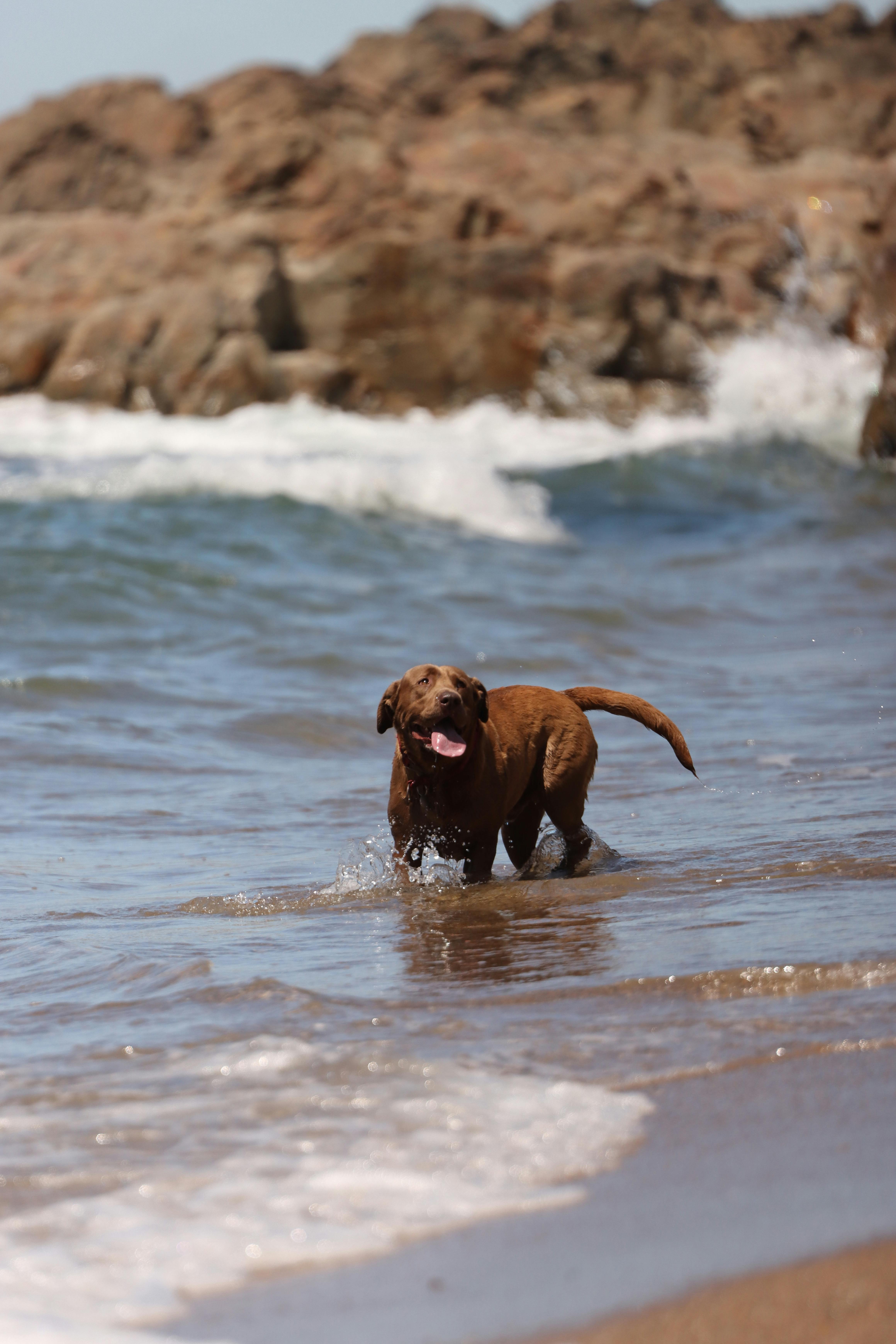
The Portuguese Water Dog is a medium-sized working breed developed to assist Portuguese fishermen — a spirited, intelligent dog with webbed feet, a water-resistant coat, and boundless enthusiasm for work. These dogs herded fish into nets, retrieved lost tackle, carried messages between boats, and even swam from shore to shore delivering goods. Today's Portuguese Water Dogs retain their working drive, athletic ability, and love of water, making them energetic companions who need active owners. They're not content to be decorative pets — they're thinking, working dogs who want jobs, challenges, and plenty of activity.
From Fishing Boats to Family Homes
The Portuguese Water Dog's history stretches back centuries along Portugal's coast, where they worked as essential crew members on fishing boats. These dogs performed remarkable tasks: herding fish into nets, diving to retrieve broken nets or lost gear, swimming messages between boats, and even acting as couriers between ships and shore.
Their work required intelligence, strength, swimming ability, and willingness to work in harsh conditions. Portuguese fishermen valued them highly, breeding dogs who could handle the demanding work. The breed developed remarkable swimming ability, including webbed feet and a coat designed for water work.
Two coat types existed: curly (more common) and wavy. Fishermen often clipped the hindquarters to reduce drag while leaving the chest and front protected — a clip still seen today.
By the early 20th century, modern fishing methods reduced the need for working dogs, and the breed nearly vanished. A Portuguese shipping magnate, Vasco Bensaude, worked to preserve them starting in the 1930s. His efforts, combined with those of dedicated breeders, saved the breed from extinction.
The breed arrived in the United States in the 1960s. The Portuguese Water Dog Club of America formed in 1972, and the American Kennel Club recognized the breed in 1983. The breed gained significant publicity when President Obama's family acquired two Portuguese Water Dogs, Bo and Sunny, bringing the breed into the spotlight.
Energetic, Intelligent, and Work-Oriented
The Portuguese Water Dog is spirited, intelligent, and enthusiastic about everything. They approach life with energy and confidence, ready for adventure, work, or play. This isn't a laid-back, calm breed — they're active dogs who need engagement.
These dogs are deeply devoted to their families, forming strong bonds and wanting constant involvement in activities. They're not independent or aloof; they want to be with you, helping with whatever you're doing.
Intelligence is a breed hallmark, making them quick learners who remember training well. However, they're also independent thinkers who make decisions, a trait essential for dogs who worked far from their handlers on fishing boats. This independence can manifest as stubbornness during training.
Portuguese Water Dogs are generally friendly with people and other dogs when properly socialized. They're playful and often maintain puppy-like enthusiasm well into adulthood. Some individuals can be reserved with strangers initially but warm up quickly.
Energy levels are high. These dogs need substantial daily exercise and mental stimulation to stay balanced. A bored Portuguese Water Dog becomes destructive, vocal, or develops obsessive behaviors. They're not suitable for sedentary owners or people away from home for long periods.
Their mouthy nature reflects their retrieving heritage. Many Portuguese Water Dogs carry things in their mouths, from toys to your hand, expressing affection or excitement through gentle mouthing. This requires management, particularly around children.
The Portuguese Water Dog is medium-sized, standing 17-23 inches tall and weighing 35-60 pounds, with males larger than females. They're muscular and athletic with strong bone, built for swimming and hard work.
The head is broad and substantial with a well-defined stop. Eyes are medium-sized, dark, and expressive. Ears are heart-shaped, hanging close to the head. The overall expression is intelligent and attentive.
Their most distinctive feature is the coat — profuse, thick, and water-resistant, coming in two varieties: tightly curled or wavy with looser curls. The coat doesn't shed much, making them often cited as better for people with allergies, though no dog is truly hypoallergenic.
Colors include black, white, brown, and combinations of black or brown with white. The coat requires regular grooming to prevent mats and is often clipped in a retriever clip (evenly shortened all over) or a lion clip (hindquarters and muzzle clipped, rest left fuller).
Feet are webbed, a distinctive feature that aids their remarkable swimming ability. The tail is thick at the base and serves as a powerful rudder when swimming.
17-23 in
35-60 lbs
11-13 years
Portuguese Water Dogs need substantial daily exercise — at least an hour, preferably more, of vigorous activity. Long walks, running, hiking, and particularly swimming provide excellent outlets. These dogs excel at any water-based activity.
Mental stimulation is equally critical. These intelligent working dogs bore easily and need puzzle toys, training sessions, scent work, and interactive games. A physically tired but mentally bored Portuguese Water Dog will find their own entertainment.
This breed excels at dog sports including agility, obedience, water work, dock diving, and tracking. These activities provide the perfect combination of physical exercise and mental challenge the breed craves.
Access to water for swimming is ideal though not essential. Portuguese Water Dogs love water and swimming provides excellent exercise that's easier on joints than running. Not all individuals are water-obsessed, but most enjoy it immensely.
Without adequate outlets, these dogs develop behavioral problems including excessive barking, destructive chewing, hyperactivity, or obsessive behaviors. They're not suitable for people who can't commit to substantial daily activity.
Portuguese Water Dogs are highly trainable, learning quickly and enthusiastically when training is engaging and positive. They respond well to reward-based methods using food, toys, or play.
Their intelligence and independence mean they bore with excessive repetition. Keep training sessions varied and interesting. They'll learn the behavior quickly; maintaining engagement is the challenge.
Early socialization is important. Expose puppies to various people, places, animals, and experiences in positive ways. This builds confidence and ensures their friendly nature develops appropriately.
Their mouthy nature requires management from the start. Teaching appropriate outlets for carrying and mouthing prevents this natural behavior from becoming problematic, particularly around children.
These dogs excel with active owners committed to training and activity. They're forgiving of mistakes but reward consistency and clear communication.
The Portuguese Water Dog's coat requires substantial maintenance. The non-shedding coat grows continuously and needs professional grooming every 6-8 weeks. Between grooming appointments, brushing several times weekly prevents mats.
Many owners choose to keep their dogs in a shorter clip that's easier to maintain. Show dogs or those kept in fuller coats require more intensive grooming. Regardless of clip, regular professional grooming is essential.
The coat's texture means it captures debris, dirt, and burrs during outdoor activities. Regular brushing removes trapped material and prevents matting. Particular attention is needed to areas prone to matting: behind ears, under legs, and around collar.
Bathing is needed periodically, along with routine ear cleaning, nail trimming, and dental care. Ear infections can occur due to hair growing in the ear canal, making regular ear maintenance important.
While often cited as hypoallergenic due to minimal shedding, individual reactions vary. People with allergies should spend time with the breed before committing.
11-13 years
Portuguese Water Dogs are generally healthy with a lifespan of 11-13 years. However, several conditions occur in the breed with some frequency.
Hip dysplasia affects some lines despite being a medium-sized breed. Progressive retinal atrophy and other eye diseases occur. GM-1 Storage Disease, a fatal neurological disorder, can affect puppies, though responsible breeders test for it.
Addison's disease (hypoadrenocorticism), a hormonal disorder, occurs more frequently in Portuguese Water Dogs than many breeds. Juvenile dilated cardiomyopathy affects some lines.
Responsible breeders health test for hip dysplasia, eye diseases, GM-1, and cardiac issues. Selecting puppies from tested parents helps reduce risk of inherited conditions.
Portuguese Water Dogs may be predisposed to the following health conditions. Click on any condition to learn more about symptoms, treatment, and prevention.