Poodle
An Elegant Athlete with Exceptional Intelligence
An Elegant Athlete with Exceptional Intelligence
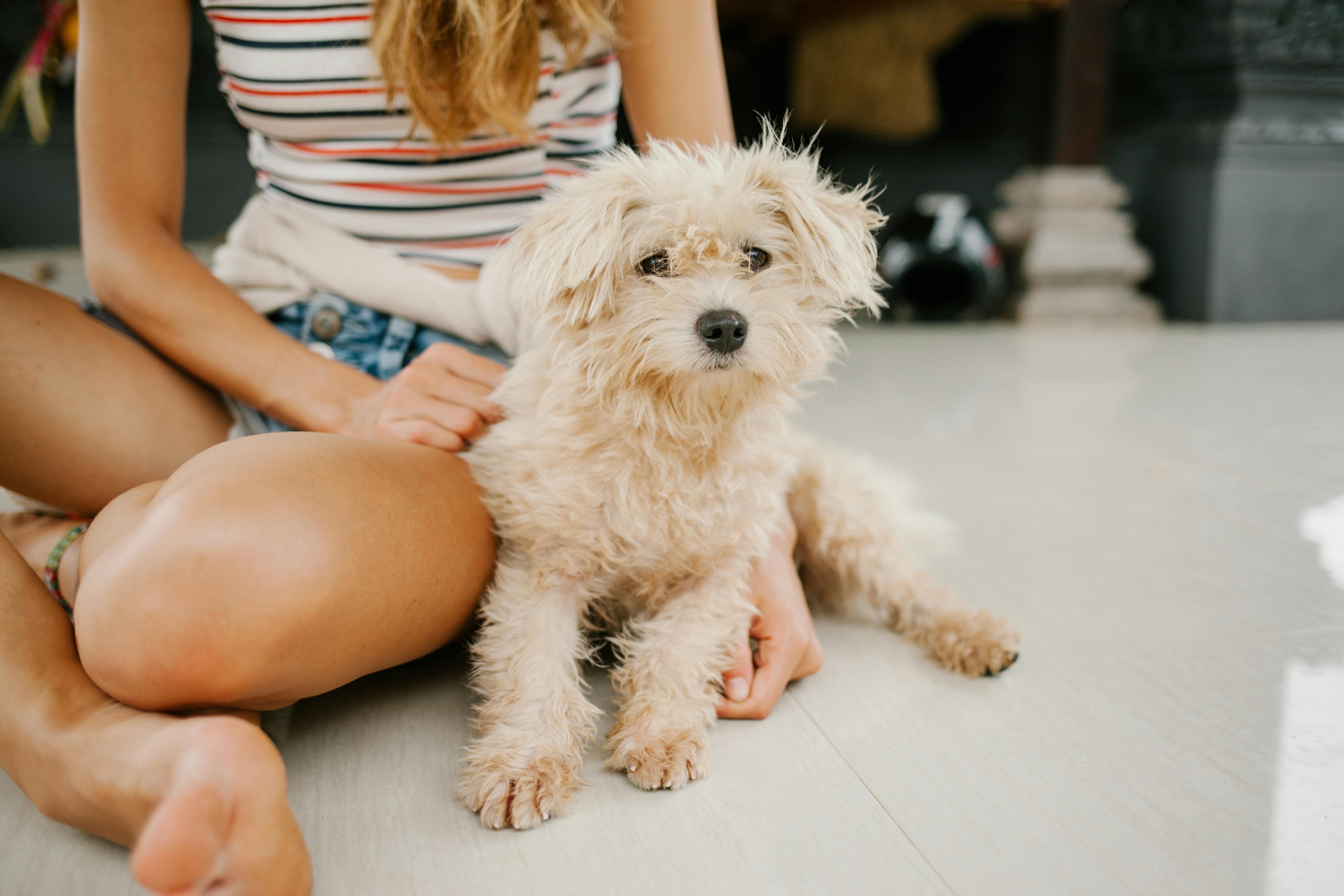
The Poodle is one of the world's most intelligent and versatile breeds — an athletic, elegant dog whose fancy show clips obscure their origins as hard-working water retrievers. Available in three sizes (Standard, Miniature, and Toy), Poodles combine exceptional trainability, keen intelligence, and athletic ability with a hypoallergenic coat that sheds minimally. Don't let those elaborate hairstyles fool you. Behind the refined appearance lies an active, capable dog who excels at everything from hunting to agility, therapy work to obedience. They're not just pretty faces — they're thinking, working dogs who need mental and physical engagement.
From Water Retrievers to Show Dogs
The Poodle's exact origins are debated, though the breed clearly developed as a water retriever, likely in Germany despite being associated with France. The name comes from the German "pudelhund," meaning "splash dog," referring to their water work.
These dogs were bred to retrieve waterfowl for hunters, working in cold water with remarkable stamina and ability. The elaborate clips that seem purely decorative actually served practical purposes — shaving the legs and hindquarters reduced drag in water while leaving joints and vital organs protected by thick coat.
France adopted the Poodle as its national breed, where the French refined and popularized them. The breed became fashionable among French nobility and eventually across Europe. Poodles performed in circuses, served as truffle hunters, and worked as companions to various social classes.
Three size varieties developed: Standard (over 15 inches), Miniature (10-15 inches), and Toy (under 10 inches). In most countries, these are size varieties of one breed, though some kennel clubs treat them as separate breeds.
The American Kennel Club recognized Poodles in 1887. They've remained consistently popular, often ranking in the top ten breeds. Their intelligence, trainability, and low-shedding coat have made them foundation stock for numerous designer crossbreeds.
Today, Poodles compete successfully in virtually every canine activity while remaining beloved companions. Some Standards still work as hunting dogs, demonstrating the versatility that's always characterized the breed.
Intelligent, Active, and Highly Trainable
The Poodle is exceptionally intelligent — often ranked as one of the smartest breeds. They learn rapidly, remember what they've learned, and can problem-solve in ways that surprise their owners. This intelligence requires engagement; a bored Poodle becomes creative, not always to your benefit.
These dogs are active and athletic, needing regular exercise and mental stimulation. They're not content to be decorative couch ornaments. Standards, in particular, are energetic dogs who need substantial daily activity.
Poodles are devoted to their families, forming strong bonds and wanting to be included in activities. They're sensitive to mood and environment, responding to emotional atmosphere in ways that make them excellent therapy dogs.
With proper socialization, Poodles are friendly with strangers, though some individuals can be reserved or cautious. They're typically good with children and other pets when raised together, though Toys and Miniatures can be overwhelmed by rough play.
Size variety significantly affects temperament. Standards are often calmer and steadier, while Toys can be more high-strung and nervous. Miniatures typically fall between the extremes. Individual variation is significant, but these general tendencies hold true.
Some Poodles can be vocal, barking at sounds or visitors. They're alert watchdogs who notice everything, though they're not typically aggressive.
Elegant Build in Three Sizes
The Poodle comes in three sizes:
- Standard: over 15 inches tall, typically 45-70 pounds
- Miniature: 10-15 inches tall, typically 15-17 pounds
- Toy: under 10 inches tall, typically 6-9 pounds
All sizes share the same elegant, athletic build — square in proportion with graceful lines and proud carriage. The head is refined with a long, straight muzzle, dark oval eyes, and hanging ears set at or below eye level.
The Poodle's coat is their most distinctive feature — dense, curly, and harsh-textured, growing continuously rather than shedding seasonally. The coat comes in solid colors including white, black, apricot, cream, brown, gray, and others. Parti-colors exist but aren't accepted in all kennel clubs.
Movement is springy and light, showing the athletic ability that made them excellent working dogs. They're agile and coordinated, capable of impressive physical feats despite their refined appearance.
Exercise needs vary by size. Standard Poodles need substantial daily exercise — at least an hour of vigorous activity including walks, running, swimming, or play. Miniatures need moderate exercise, while Toys require less but still benefit from daily activity.
Mental stimulation is equally critical across all sizes. Poodles excel at puzzle toys, training sessions, scent work, and any activity that challenges their minds. Training tricks, learning new commands, or playing interactive games keeps them engaged.
This breed excels at virtually every canine sport and activity: obedience, agility, tracking, hunt tests, dock diving, therapy work, and more. Competitive outlets provide excellent physical and mental engagement.
Swimming is a favorite activity for many Poodles, tapping into their water retriever heritage. Access to safe swimming opportunities is a wonderful outlet, though not all individuals love water.
Poodles are exceptionally trainable, learning new commands rapidly and retaining training reliably. They thrive on mental challenges and enjoy working with their handlers. This makes them excellent for first-time owners committed to training.
Positive reinforcement methods work beautifully, as Poodles are sensitive and responsive. Harsh corrections are unnecessary and damaging to their willingness to work. They want to please and learn eagerly when training is fair and engaging.
Early socialization is important, particularly for Miniatures and Toys who can develop nervousness without adequate exposure to varied experiences. Standards typically have steadier temperaments but still benefit from early socialization.
The breed's intelligence means they bore quickly with repetitive drilling. Keep training sessions varied and interesting. They'll learn the behavior quickly; the challenge is maintaining their engagement.
Some Poodles can be sensitive or timid, requiring confidence-building approaches. Others are bold and confident. Understanding your individual dog's temperament helps tailor training appropriately.
Poodle grooming is substantial and non-negotiable. The continuously growing coat requires professional grooming every 4-8 weeks. Between grooming appointments, daily brushing prevents mats and keeps the coat healthy.
Several clip styles exist, from practical sporting clips to elaborate show clips. Pet owners typically choose simpler styles that are easier to maintain. Regardless of style, regular professional grooming is essential.
The coat doesn't shed in the traditional sense, making Poodles often cited as good for people with allergies. However, they're not truly hypoallergenic, and individual reactions vary.
Ear cleaning is important, as Poodles are prone to ear infections due to hair growing in the ear canal. Regular plucking or cleaning helps prevent problems. Nail trimming and dental care follow standard routines.
Many owners learn to groom their Poodles at home, though it requires investment in proper tools and learning the techniques. Professional grooming is expensive but necessary for those unwilling or unable to maintain the coat themselves.
12-15 years
Poodles are generally healthy with good lifespans: Standards 12-15 years, Miniatures and Toys 14-18 years. However, several health conditions occur in the breed.
Standards are prone to hip dysplasia, bloat (gastric dilatation-volvulus), and Addison's disease. Sebaceous adenitis, a skin condition causing coat loss, affects some lines. Progressive retinal atrophy and other eye diseases occur.
Miniatures and Toys face patellar luxation, progressive retinal atrophy, and epilepsy. Legg-Calve-Perthes disease affects Toys and some Miniatures. Dental disease is common in smaller varieties.
All sizes can develop von Willebrand's disease (bleeding disorder), hypothyroidism, and various eye conditions. Responsible breeders test for relevant genetic conditions.
Poodles may be predisposed to the following health conditions. Click on any condition to learn more about symptoms, treatment, and prevention.
Eye
Hey there, pet parents. Have you noticed your dog's eyes starting to look cloudy or bluish-gray? If so, you might be...
Prevalence: Very Common
Cardiovascular
Hello, wonderful puppy parents! Bringing home a new puppy is one of the most joyful experiences. During one of your...
Prevalence: Common
Endocrine
Hey there, pet parents. Today we're going to talk about another common hormonal disease in older dogs, one that can...
Prevalence: Common
Digestive
Hey there, pet parents! Let's talk about something that affects almost every single dog at some point in their life:...
Prevalence: Common
Endocrine
Hey there, dedicated pet parents. Just like people, our canine companions can get diabetes. Diabetes Mellitus, often...
Prevalence: Common
Cardiovascular
Hello, caring pet parents! Today, we're tuning into the heart. Sometimes during a routine vet check-up, your vet...
Prevalence: Common
Other
Hey there, pet parents. Today we're going to delve into the complex and serious world of Immune-Mediated Diseases....
Prevalence: Common
Cardiovascular
Hello, wonderful pet parents! Today, we're going to talk about the most common heart disease in dogs, especially our...
Prevalence: Common
Respiratory
Hello, wonderful pet parents! If you're the owner of a small or toy breed dog, you may be familiar with a very...
Prevalence: Common