Pomeranian
A Tiny Lion with a Huge Attitude
A Tiny Lion with a Huge Attitude
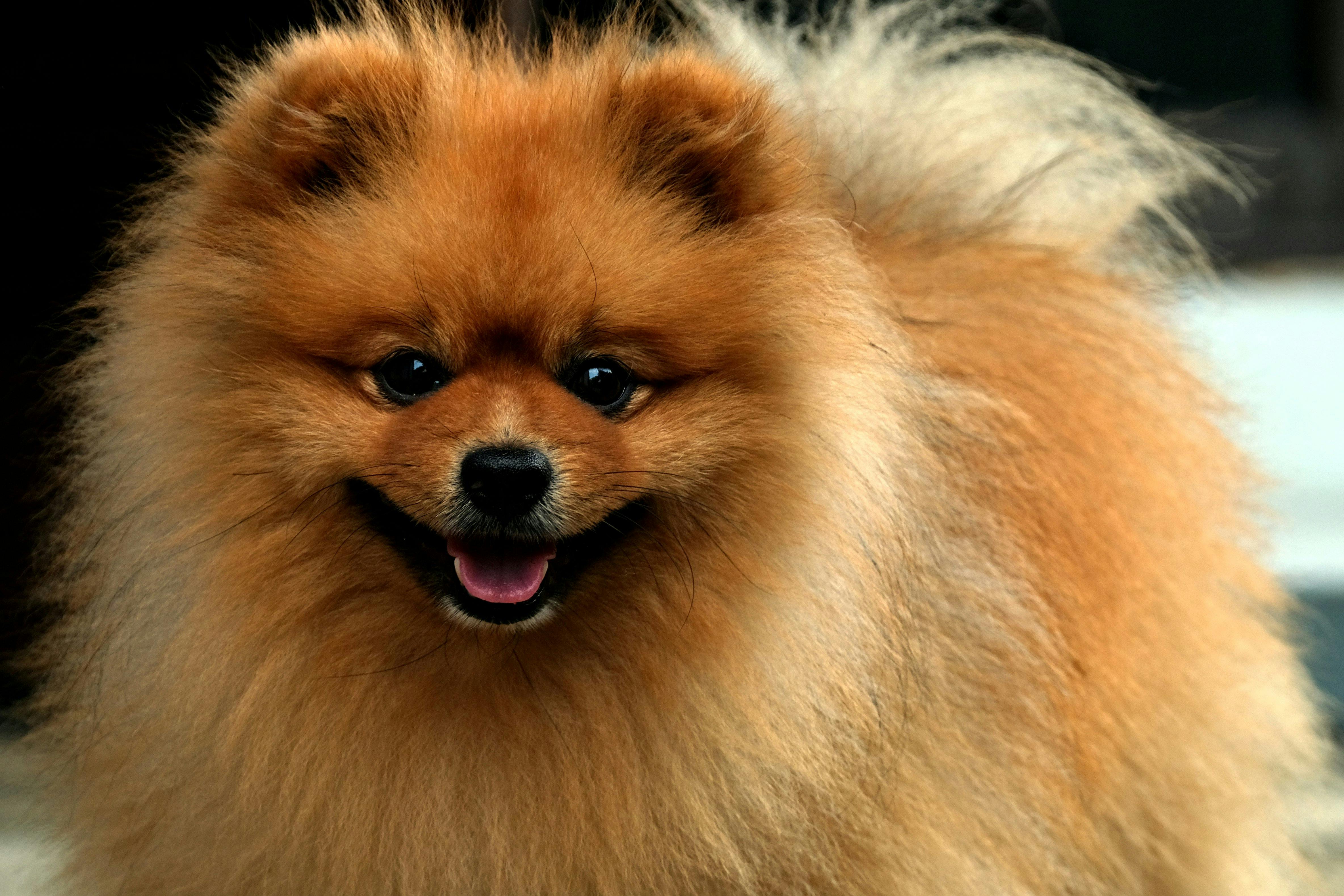
The Pomeranian is a tiny spitz breed with a massive personality — a fluffy, fox-faced companion who believes they're much larger than their three-to-seven-pound reality. Descended from much larger sled-pulling dogs, today's Pomeranians pack all that spitz confidence, independence, and vocal nature into a pocket-sized package. Behind that adorable teddy bear appearance lies a bold, alert, and surprisingly feisty dog who takes their watchdog duties seriously, challenges larger dogs without hesitation, and rules their household with charming authority. They're not passive lapdogs — they're spirited companions who demand attention and respect.
The Pomeranian's ancestors were large working dogs from the Arctic regions, related to breeds like the Samoyed, Alaskan Malamute, and Norwegian Elkhound. These dogs pulled sleds, herded reindeer, and served as working companions in harsh northern climates.
The breed's name comes from Pomerania, a region along the Baltic Sea (now parts of Poland and Germany), where these dogs were bred smaller over generations. By the 18th century, they'd been reduced significantly in size though still larger than modern Pomeranians.
Queen Victoria dramatically influenced the breed's development. After seeing smaller Pomeranians in Italy in 1888, she began breeding them, favoring ever-smaller dogs. Her involvement brought the breed into fashion, and breeders worked to reduce size further while maintaining the spitz characteristics.
During Victoria's reign, Pomeranian size dropped from about 30 pounds to the modern standard of 3-7 pounds. The breed became associated with royalty and high society, popular among European aristocracy.
The American Kennel Club recognized Pomeranians in 1888. They quickly gained popularity in the United States, consistently ranking among the most popular toy breeds. Today's Pomeranians are purely companions, though they retain the bold, independent temperament of their working ancestors.
The Pomeranian is outgoing, curious, and remarkably bold for such a tiny dog. They approach life with confidence that seems oblivious to their miniature size, readily challenging larger dogs or confronting new situations with courage bordering on recklessness.
These dogs are devoted to their families but not typically clingy. They're happy near you, observing activities with keen interest and ready to participate when invited. Many Pomeranians bond closely with one person while remaining friendly with other family members.
Pomeranians are exceptionally alert and vocal. They announce visitors, unusual sounds, suspicious shadows, and anything else worthy of comment — which is everything. This makes them excellent watchdogs but can become excessive barking if not managed through training.
Intelligence is a breed hallmark, making them quick learners who figure things out rapidly. However, they're also independent and somewhat stubborn, deciding whether your instructions are worth following. This spitz independence requires patient, consistent training.
Despite being toy dogs, Pomeranians are active and playful. They enjoy games, short walks, and activities with their people. Many remain playful well into old age, maintaining puppy-like enthusiasm for life.
Socialization is crucial. Without proper early exposure, Pomeranians can become yappy, nervous, or aggressive toward strangers and other dogs. Well-socialized Poms are confident and friendly while maintaining their natural alertness.
Fluffy, Foxy, and Unmistakably Adorable
The Pomeranian stands 6-7 inches tall and weighs 3-7 pounds, though some individuals fall outside this range. They're compact and sturdy despite their tiny size, with foxlike expressions and plumed tails carried over the back.
Their most striking feature is the abundant double coat — a soft, dense undercoat covered by long, harsh-textured outer coat that stands off from the body. The neck has a heavy ruff, creating a lion-like appearance. The tail is profusely coated and fans over the back.
Pomeranians come in more colors than almost any breed — orange and red are most common, but black, white, cream, blue, sable, brown, and parti-color all occur. Nearly any color or combination is acceptable.
The head is wedge-shaped with small, erect ears, dark, almond-shaped eyes, and an alert, fox-like expression. The muzzle is fine and short, complementing the overall compact appearance.
Their gait is smooth and free, showing the confidence and coordination of a much larger dog. Despite their fluff and tiny size, Pomeranians move with purpose and energy.
The Pomeranian is not a passive accessory or trembling decoration. They're bold, confident, intelligent dogs who happen to be tiny and fluffy. For people who appreciate spirited personalities, can commit to grooming, and don't mind vocal watchdogs, they make wonderful companions.
They're adaptable to various living situations, devoted to their families, and beautiful to look at. Yes, they require significant grooming, bark readily, and have opinions about everything. But they're also loyal, entertaining, and full of character. If you want a small dog with big dog confidence, spitz independence, and enough fluff to require industrial-strength lint rollers, the Pomeranian delivers. Just prepare for grooming sessions, barking management, and a dog who believes they're in charge — because in their mind, they absolutely are.
6-7 in
3-7 lbs
12-16 years
Pomeranians need less exercise than many breeds but more than people often assume. Daily short walks and indoor play sessions keep them physically fit and mentally stimulated. They're adaptable to apartment living and can meet most exercise needs indoors.
Mental stimulation is important. These intelligent dogs enjoy puzzle toys, training sessions, and games that challenge their minds. Boredom leads to excessive barking or other attention-seeking behaviors.
While they're small enough to carry everywhere, Pomeranians benefit from walking on their own four paws. Exercise builds muscle tone, provides socialization opportunities, and prevents the "precious princess" syndrome that can develop when small dogs are constantly carried.
Many Pomeranians enjoy and excel at dog sports scaled to their size, including obedience, agility, and rally. Trick training particularly suits their intelligence and love of attention.
Pomeranians are intelligent and capable of learning anything you can teach them. Training requires patience, consistency, and positive reinforcement methods. They respond well to treats, toys, and praise.
Their independent nature means they won't always comply just to please you. Training must be engaging and worthwhile from their perspective. Keep sessions short, fun, and varied to maintain interest.
Early socialization is crucial. Expose puppies to various people, places, animals, and experiences in positive ways. This builds confidence while preventing the nervous yappiness or aggression some poorly socialized Pomeranians develop.
House training can be challenging, as with many small breeds. Their tiny bladders mean frequent trips outside, and accidents are easy to miss. Consistent crate training and patience usually succeed.
Barking management deserves serious attention. Teaching "quiet" commands and rewarding appropriate behavior helps prevent the excessive vocalization Pomeranians are capable of producing.
The Pomeranian's abundant coat requires substantial grooming. Brushing at least several times weekly prevents mats and controls shedding, though daily brushing is ideal. They shed year-round with heavy seasonal shedding periods.
During shedding season, prepare for significant coat loss. Frequent brushing helps manage it, though you'll still find fluff everywhere. The undercoat sheds in clumps that can mat if not removed promptly.
Bathing is needed every 4-6 weeks to keep the coat clean and fluffy. Many owners use professional groomers, though the coat can be maintained at home with proper tools and technique. Never brush a dry coat — use a conditioning spray to prevent damage.
Particular attention is needed around the ears, behind the legs, and under the tail where mats form easily. The ruff and tail plume require regular brushing to maintain their full, beautiful appearance.
Nail trimming, dental care, and ear cleaning follow standard routines. Dental care is particularly important, as small breeds are prone to dental disease. Daily tooth brushing helps maintain oral health.
12-16 years
Pomeranians are generally long-lived, often reaching 12-16 years. However, their tiny size comes with certain health vulnerabilities.
Patellar luxation (slipping kneecaps) is relatively common. Dental disease affects many small breeds, making dental care essential. Tracheal collapse can occur, particularly if allowed to pull on leash or wear collars instead of harnesses.
Hypoglycemia (low blood sugar) can affect puppies and very small adults, requiring careful feeding management. Alopecia X, a coat loss condition, affects some Pomeranians, causing gradual hair loss without other symptoms.
Heart problems, eye issues, and seizures occur in the breed with some frequency. Luxating patella and other orthopedic issues are concerns. Their small size makes them vulnerable to injury from falls, rough handling, or encounters with larger dogs.
Maintaining healthy weight is important, though obesity is less common in Pomeranians than some breeds. Cold sensitivity in winter and heat sensitivity in summer require monitoring.
Pomeranians may be predisposed to the following health conditions. Click on any condition to learn more about symptoms, treatment, and prevention.
Cardiovascular
Hello, wonderful puppy parents! Bringing home a new puppy is one of the most joyful experiences. During one of your...
Prevalence: Common
Musculoskeletal
The patella is the kneecap. It normally sits in a groove at the bottom of the thigh bone (femur). In a dog with a...
Prevalence: Very Common
Respiratory
Hello, wonderful pet parents! If you're the owner of a small or toy breed dog, you may be familiar with a very...
Prevalence: Common