Newfoundland
A Gentle Giant Born for Water and Work
A Gentle Giant Born for Water and Work
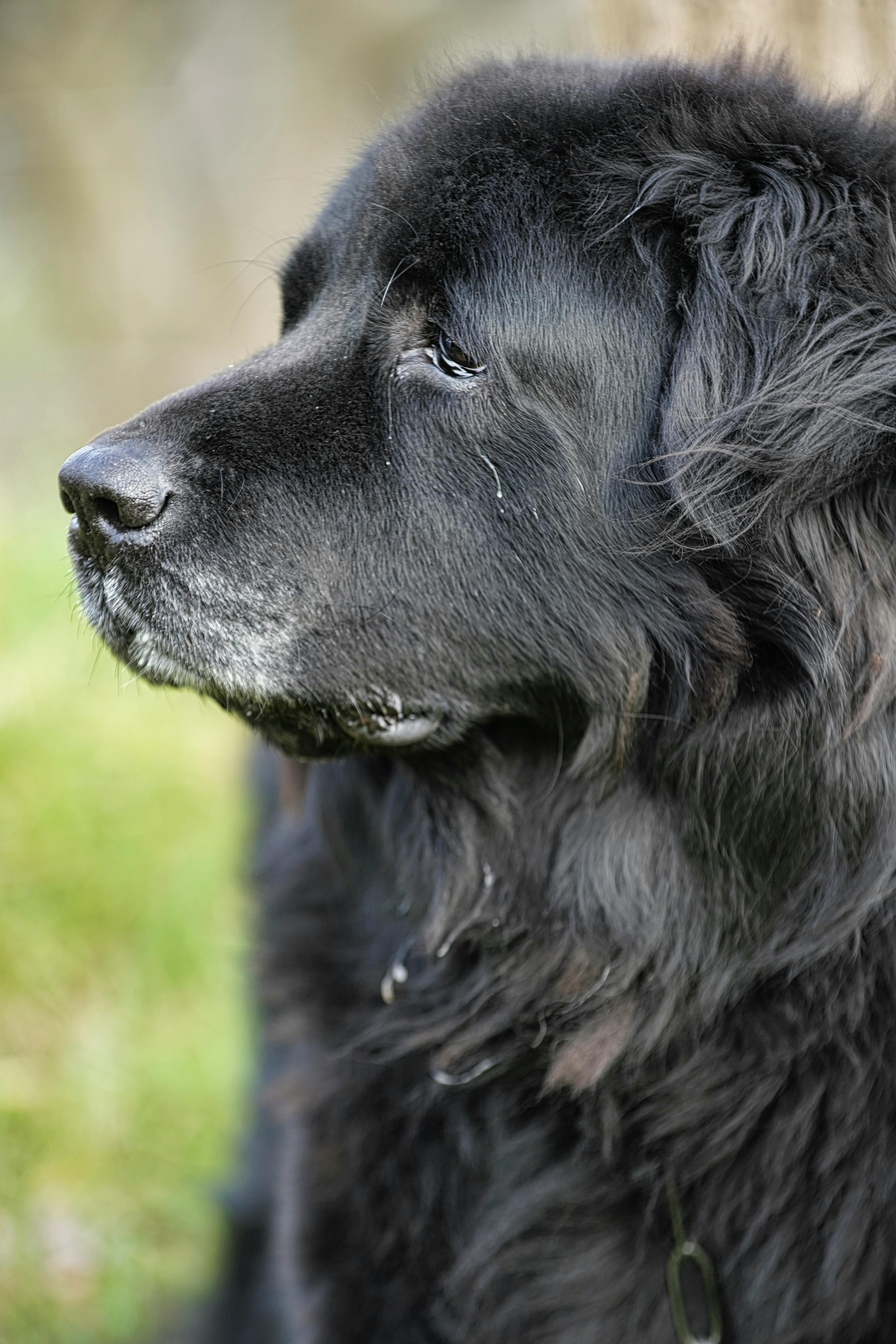
The Newfoundland is one of the world's most beloved giant breeds — a massive, powerful dog with a sweet temperament and legendary devotion to their families. Originally bred to work alongside fishermen in the harsh environment of Newfoundland, Canada, these dogs are natural swimmers with webbed feet, water-resistant coats, and life-saving instincts. Behind that enormous, bear-like appearance lies a gentle soul who loves children, works willingly, and would dive into icy water without hesitation to rescue someone in trouble. They're not just pets; they're family guardians with hearts as big as their bodies.
The Newfoundland's exact origins remain somewhat unclear, though the breed clearly developed on the island of Newfoundland off Canada's Atlantic coast. The most accepted theory suggests they descended from dogs brought to the island by European fishermen in the 1500s, possibly including Mastiff-type dogs and indigenous breeds.
These dogs worked alongside fishermen, hauling nets, retrieving items that fell overboard, and pulling carts loaded with fish. Their swimming ability, strength, and tolerance for cold water made them invaluable working partners in the harsh maritime environment.
The breed's life-saving instincts became legendary. Countless stories tell of Newfoundlands rescuing people from drowning, pulling boats to shore in storms, and diving into dangerous waters to save victims. These weren't trained behaviors but instinctive actions that the breed became famous for.
By the early 19th century, Newfoundlands had reached Europe, where they gained admirers including artists and writers. The breed nearly vanished during World War I and II when feeding large dogs became difficult, but dedicated breeders in England and North America preserved them.
Today, Newfoundlands serve as beloved family companions, therapy dogs, and water rescue dogs. Some organizations still train them for water rescue work, capitalizing on their natural instincts and abilities.
The Newfoundland is remarkably gentle for such a large, powerful dog. They're calm, patient, and devoted to their families, particularly children. Their nickname "nanny dog" reflects their protective, nurturing nature with young family members.
These dogs are not aggressive or dominant. They're friendly with strangers once properly introduced, though their size alone makes them effective deterrents. They want to please their people and work alongside them, making them responsive and cooperative despite their massive size.
Newfoundlands are notably calm indoors, often content to lie near their families and observe household activities. This doesn't mean they're inactive — they enjoy work and exercise — but they're not hyperactive or demanding constant entertainment.
Separation anxiety can be a concern, as these dogs form deep bonds and don't like being alone for long periods. A lonely Newfoundland may become destructive or vocal, though their typical calm nature means problems tend to be less extreme than with some breeds.
Their working heritage means they're happiest with a purpose. Whether it's pulling a cart, retrieving items, or participating in water work, Newfoundlands thrive when given jobs that engage their minds and bodies.
Massive, Powerful, and Built for Water
The Newfoundland is a giant breed, with males typically standing 28 inches at the shoulder and weighing 130-150 pounds, while females are slightly smaller at 26 inches and 100-120 pounds. Some individuals exceed these ranges significantly.
They're heavily boned and muscular with a broad, massive head and kind, expressive eyes. The body is strong and well-proportioned, built for power and endurance rather than speed. Their feet are webbed — a distinctive feature that aids in swimming.
The coat is the Newfoundland's protection against cold water. It's a thick, water-resistant double coat that's moderately long and can be straight or wavy. The most common color is solid black, though Landseer (white with black markings), brown, and gray also occur.
The tail is thick and strong, acting as a rudder when swimming. When standing, it hangs down; when the dog is alert or moving, it may be carried higher but never curled over the back.
Their gait is smooth and rhythmic, showing the power and endurance built into their structure. In water, they're graceful and powerful swimmers capable of working in conditions that would defeat many breeds.
Despite their size, Newfoundlands don't require excessive exercise. Moderate daily activity — typically 30-60 minutes of walking or swimming — keeps them healthy and content. They're not marathon runners or jogging partners, particularly in warm weather.
Swimming is the ideal exercise for this breed. They love water, excel at it, and swimming provides excellent low-impact exercise that's easier on their joints than running. Access to safe swimming opportunities is a wonderful gift for a Newfoundland.
In hot weather, exercise must be limited and carefully monitored. These dogs overheat easily due to their thick coats and should be kept cool during warm months. Air conditioning and access to cool water are essential in summer.
While they're calm indoors, they need adequate space. A large apartment might work, but a house with a yard is more suitable for their size. They're not well-suited to small living spaces or homes where they'd struggle to move comfortably.
Newfoundlands are intelligent and eager to please, making them generally easy to train. However, training must begin early while they're still manageable in size. A 150-pound dog who pulls on leash or jumps on people is dangerous, regardless of good intentions.
Positive reinforcement works well, as these sensitive dogs respond poorly to harsh corrections. They want to cooperate and learn quickly when training is consistent and fair. Keep sessions engaging and positive.
Early socialization is important, exposing puppies to various people, places, animals, and experiences. This builds confidence and ensures their calm, friendly nature develops appropriately.
Leash training deserves serious attention. A Newfoundland who pulls is extremely difficult to control due to their size and strength. Teaching polite leash manners while they're young is essential.
Many Newfoundlands enjoy and excel at water work, cart pulling, therapy work, and obedience. These activities provide mental stimulation and purposeful work that suits their temperament.
The Newfoundland's thick, double coat requires substantial grooming. Daily brushing is ideal, though at minimum several times weekly, to prevent mats and control shedding. They shed year-round with heavy seasonal shedding periods that can be overwhelming.
During shedding season, be prepared for massive amounts of loose coat. Frequent brushing helps manage it, though you'll still find hair everywhere. A good vacuum is essential for Newfoundland owners.
Bathing a 150-pound dog isn't trivial. Many owners use professional groomers or self-service dog wash facilities with appropriate equipment. Bathing is needed periodically, more often if the dog swims frequently or gets dirty.
Nail trimming, ear cleaning, and dental care follow standard routines, though the dog's size makes everything more challenging. Drooling is significant in this breed — many Newfoundlands drool constantly, particularly after drinking. Keeping towels handy becomes routine.
9-10 years
Newfoundlands have a shorter lifespan than smaller breeds, typically 8-10 years, though some live longer. Their large size contributes to several health concerns.
Hip and elbow dysplasia occur frequently in the breed. Responsible breeders screen breeding stock for these conditions. Cystinuria (a urinary disorder), heart problems including dilated cardiomyopathy and subaortic stenosis, and bloat (gastric dilatation-volvulus) are also concerns.
Their thick coats make them vulnerable to overheating. Heat stroke is a real danger, and they should never be exercised heavily or left in warm conditions without adequate cooling.
Large breed puppies require careful nutrition and exercise management to support healthy growth without encouraging too-rapid development that stresses joints and bones.
Newfoundlands may be predisposed to the following health conditions. Click on any condition to learn more about symptoms, treatment, and prevention.
Cardiovascular
Hello, wonderful puppy parents! Bringing home a new puppy is one of the most joyful experiences. During one of your...
Prevalence: Common
Musculoskeletal
Hey sports fans and pet lovers! Ever heard of an athlete tearing their ACL? It's a common and serious knee injury....
Prevalence: Common
Skin
Hey there, pet parents. Have you ever left your dog for the day and they were perfectly fine, only to come home to a...
Prevalence: Common