Miniature American Shepherd
A Full-Size Herding Dog in a Smaller Package
A Full-Size Herding Dog in a Smaller Package
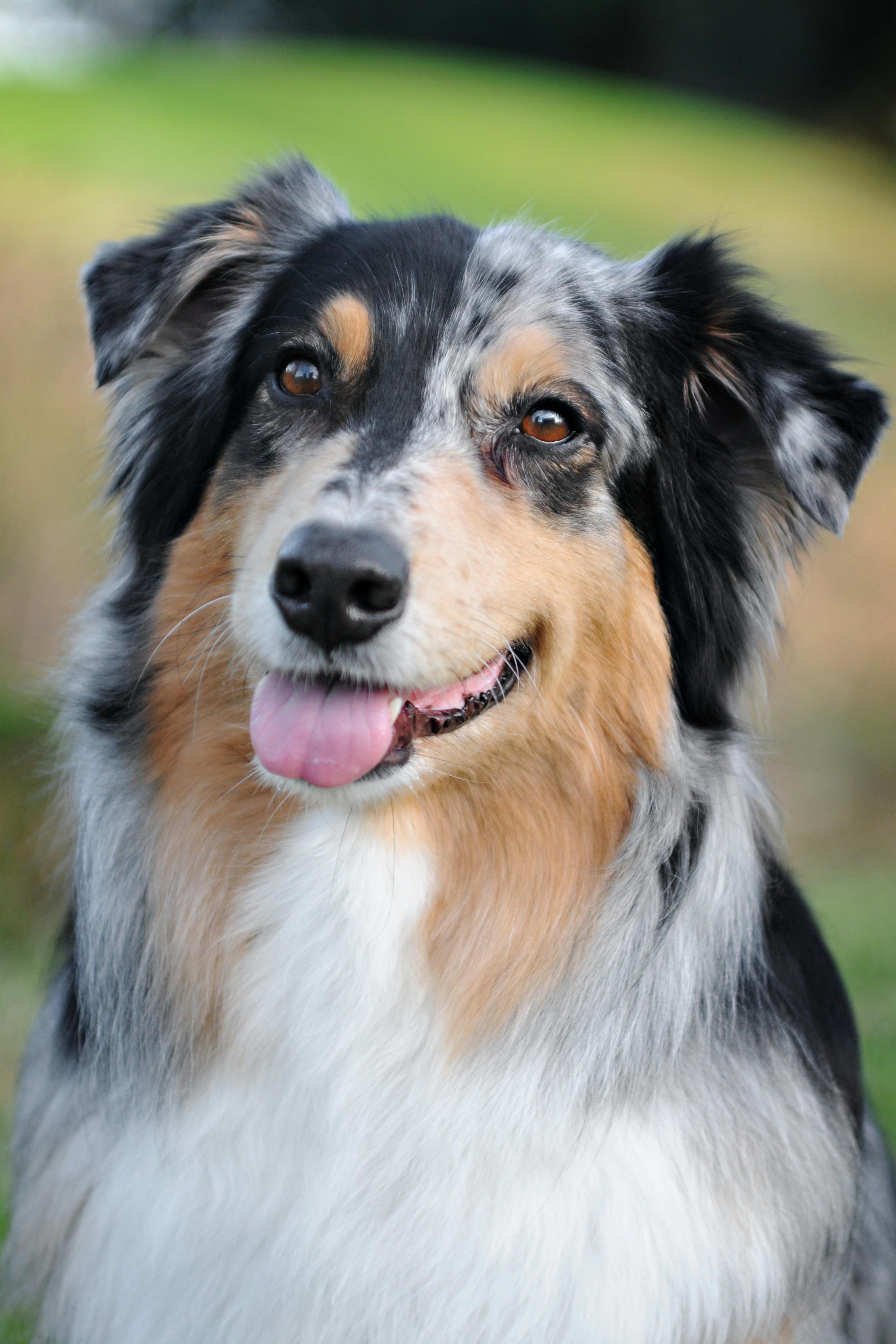
The Miniature American Shepherd is exactly what the name suggests — a small version of the Australian Shepherd with all the intelligence, drive, and herding instinct intact. Developed in the United States during the 1960s, this breed offers the working ability and devoted companionship of their larger cousins in a more compact, versatile size. Don't mistake "miniature" for "easy." These dogs are energetic, intelligent, and intense, requiring active owners who appreciate a dog that thinks, works, and wants a job to do.
Unlike many breeds with centuries of history, the Miniature American Shepherd is a modern creation. The breed developed in the late 1960s when small Australian Shepherds were selectively bred to maintain their diminutive size while preserving working ability and temperament.
Rodeo riders particularly valued these smaller dogs, as they were easier to transport and house while traveling the rodeo circuit. The dogs worked livestock, performed tricks, and became beloved companions of the rodeo community. For years, they were known as Miniature Australian Shepherds.
Breeders worked to establish consistency in size and type, maintaining the herding instinct and intelligence that made the dogs valuable working companions. The breed club formed in 1990, and serious efforts began to achieve recognition as a distinct breed rather than simply small Australian Shepherds.
The American Kennel Club recognized the breed in 2015 under the name Miniature American Shepherd, differentiating it from the Australian Shepherd while acknowledging its American development. Today, these dogs serve as performance competitors, working ranch dogs, and active family companions.
The Miniature American Shepherd is first and foremost a working herding dog who happens to be small. They're intelligent, quick learners who need mental stimulation as much as physical exercise. Boredom is their enemy, leading to destructive or obsessive behaviors.
These dogs are intensely devoted to their families, often bonding closely and wanting to be involved in every activity. They're attentive and aware, always watching and ready to respond. This awareness makes them excellent watchdogs who'll alert you to anything unusual.
Herding instinct runs strong, and many Miniature American Shepherds will try to herd children, other pets, or anything that moves. This can manifest as nipping at heels, circling, or intense staring. It's manageable with training and appropriate outlets but something prospective owners must understand and address.
Energy levels are high. These dogs are built to work all day, and while they adapt to family life, they need regular vigorous exercise and mental challenges to stay balanced. A quick walk around the block won't cut it.
Many Miniature American Shepherds are reserved or aloof with strangers, taking time to warm up to new people. Early socialization helps ensure this caution doesn't become fearfulness or excessive wariness. With their families, they're affectionate, playful, and devoted.
The Miniature American Shepherd stands 13-18 inches at the shoulder and weighs 20-40 pounds, with males typically larger than females. They're slightly longer than tall, well-balanced and agile.
Their appearance mirrors the Australian Shepherd in miniature — the same beautiful coat colors and patterns, the same alert expression, the same athletic build. Coat colors include black, blue merle, red, and red merle, all with or without white markings and/or copper points. The variety creates stunning visual diversity within the breed.
The coat is medium length, straight to slightly wavy, with moderate feathering on the legs and a mane around the neck. Undercoat varies seasonally. Eyes can be brown, blue, amber, or any variation including marbled or flecked — another striking feature of the breed.
Ears are triangular and set high, breaking forward or to the side when alert. The tail is naturally bobbed in some individuals or docked to four inches or less, though some countries prohibit docking, resulting in full tails.
Their movement is smooth, easy, and balanced with good reach and drive. They should appear capable and agile, built for a day's work rather than the show ring alone.
13-18 in
20-40 lbs
12-13 years
Miniature American Shepherds need substantial daily exercise — at least an hour, preferably more. Long walks, hiking, jogging, and off-leash play in secure areas all work well. These dogs have stamina and won't tire as quickly as you might expect from their size.
Mental stimulation is equally critical. Puzzle toys, training sessions, scent work, and interactive games keep their minds engaged. A physically tired but mentally bored Miniature American Shepherd will find their own entertainment, rarely to your liking.
This breed excels at dog sports. Agility, herding trials, obedience, rally, flyball, disc dog — Miniature American Shepherds compete successfully in virtually every canine activity. These pursuits provide the combination of physical exercise, mental challenge, and bonding that the breed craves.
Without adequate outlets, these dogs can develop behavioral problems including excessive barking, destructive chewing, obsessive behaviors, or hyperactivity. They're not suitable for sedentary households or people who work long hours without providing enrichment.
Miniature American Shepherds are highly trainable, learning quickly and remembering what they've learned. Their intelligence and eagerness to work make them responsive students — assuming the training is engaging and fair.
Positive reinforcement methods work best, though these dogs can handle and benefit from clear structure and boundaries. They're sensitive to correction, and harsh methods damage trust and enthusiasm. Keep training sessions varied and interesting, as they bore easily with excessive repetition.
Early socialization is important. Expose puppies to various people, places, animals, and experiences in positive ways. This builds confidence and helps prevent the wariness toward strangers from becoming problematic.
These dogs often excel with first-time owners who are committed to training and activity, though they do require dedication. They're forgiving of mistakes and eager to engage, making them rewarding partners for people willing to put in the work.
Their herding instinct requires management, particularly around children or other pets. Teaching appropriate behavior and providing suitable outlets for the drive helps prevent nipping or obsessive circling.
The Miniature American Shepherd's coat requires regular maintenance. Brushing several times weekly prevents mats and controls shedding, which is moderate year-round with heavier seasonal shedding periods. During shedding season, daily brushing helps manage the volume of loose coat.
Bathing is needed occasionally, more frequently if the dog gets dirty during outdoor activities. The coat is relatively easy to keep clean between baths.
Ear cleaning, nail trimming, and dental care follow standard canine routines. Active dogs often wear their nails down naturally but still need periodic trimming. Checking ears after outdoor activities prevents debris buildup.
Merle-colored dogs require special attention to sun protection, as their lighter pigmentation makes them more vulnerable to sunburn, particularly on ears and nose.
12-13 years
Miniature American Shepherds are generally healthy with a lifespan of 12-15 years. However, responsible breeders test for several genetic conditions that can affect the breed.
Hip dysplasia occurs in the breed despite their small size. Eye problems including progressive retinal atrophy, cataracts, and colobomas (eye defects) can occur. Epilepsy affects some lines. MDR1 gene mutation, which causes sensitivity to certain medications, is present in some individuals.
The merle gene, while creating beautiful coat patterns, requires careful breeding. Two merle parents can produce double merle puppies with increased risk of deafness, vision problems, and other health issues. Responsible breeders never breed merle to merle.
Overall, health testing and selecting puppies from health-tested parents helps reduce risk of inherited conditions.