German Shorthaired Pointer
The Ultimate Versatile Hunting Machine
The Ultimate Versatile Hunting Machine
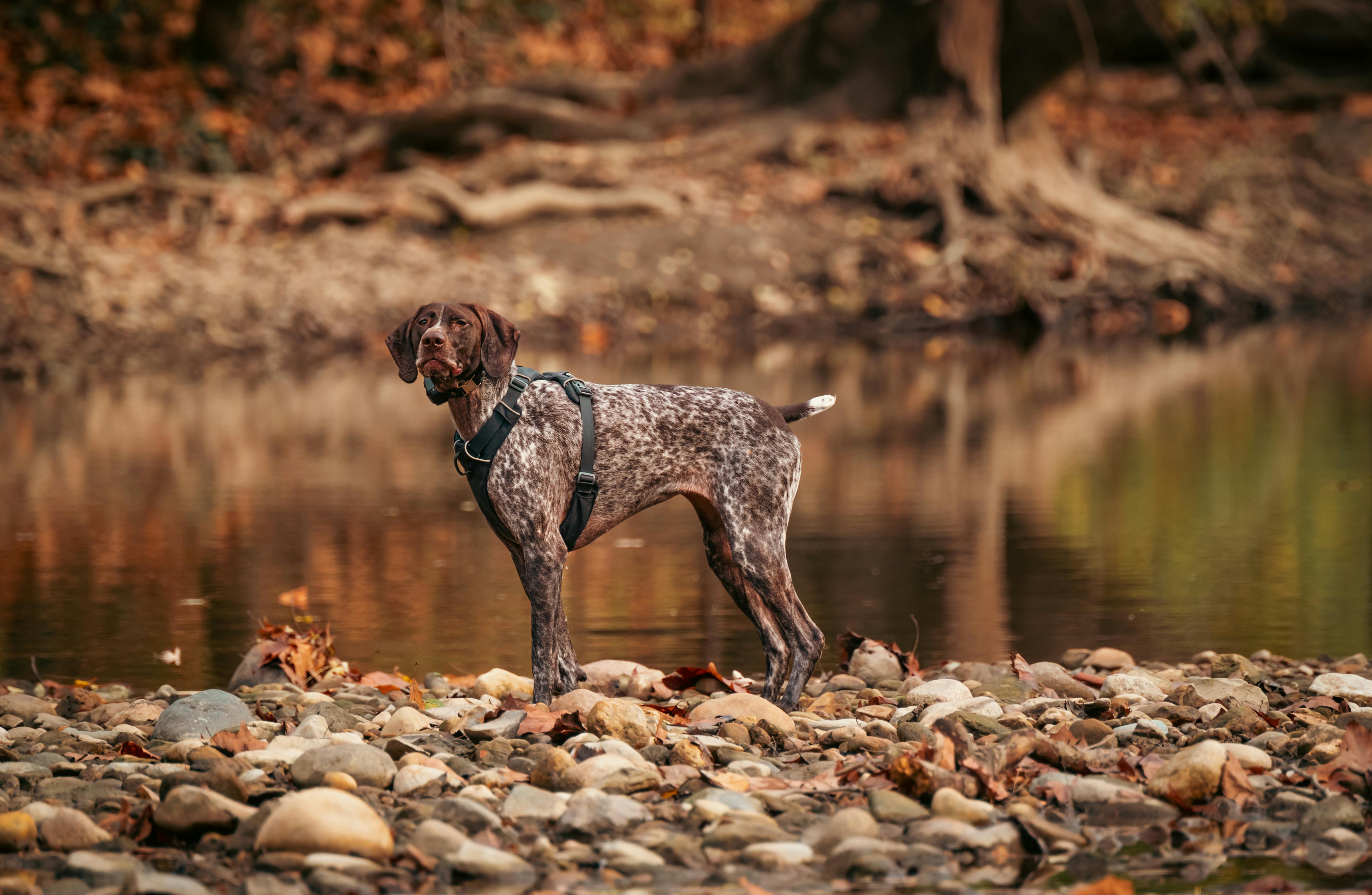
The German Shorthaired Pointer is athletic excellence meets tireless enthusiasm — a versatile gun dog that can point, retrieve, track, and work in virtually any terrain or weather. With their sleek, spotted coat, noble head, and powerful build, GSPs embody the ideal sporting dog. But they're far more than just hunters; they're energetic, affectionate companions who form strong bonds with their families. Just be prepared: this is a breed that never truly stops, approaching each day with boundless energy and an eagerness for adventure.
Engineered for Versatility
The German Shorthaired Pointer was developed in Germany during the mid-to-late 1800s by hunters who wanted a single versatile dog capable of performing all hunting tasks. Unlike the British tradition of specialized dogs for pointing, retrieving, or tracking, German hunters needed one dog who could do everything.
Breeders crossed various German hunting dogs with Spanish Pointers, English Pointers, and possibly tracking hounds to create a dog with pointing instinct, retrieving ability, tracking skills, and the versatility to work on land and in water. The result was a lean, athletic dog with exceptional scenting ability, strong hunting drive, and remarkable trainability.
Prince Albrecht zu Solms-Braunfels is credited with establishing the breed standard in the 1870s. He emphasized that breeding should prioritize working ability over appearance — a philosophy that continues today. German Shorthaired Pointers were required to pass hunting tests before being allowed to breed, ensuring working ability remained paramount.
The breed arrived in the United States in the 1920s and gained American Kennel Club recognition in 1930. American hunters quickly recognized the GSP's exceptional abilities, and the breed became popular both as hunting dogs and field trial competitors.
Today, German Shorthaired Pointers remain one of the most versatile and successful sporting breeds, excelling in hunting, field trials, and various dog sports while maintaining their role as active family companions.
Energetic, Friendly, and Always Ready
The German Shorthaired Pointer is enthusiastic, friendly, and perpetually ready for action. These dogs approach life with optimism and energy that can be both delightful and overwhelming. They're bred to hunt all day across varied terrain, which translates to seemingly limitless stamina.
GSPs bond strongly with their families and are affectionate, loyal companions. They're "Velcro dogs" who want to be near their people constantly, participating in all activities. Despite their high energy, they're gentle and loving with their families.
With children, German Shorthaired Pointers are typically excellent companions, showing patience and enjoying active play. Their energy level makes them better suited to families with older children who can participate in activities and won't be knocked over by an exuberant dog. They're sturdy, playful, and protective of kids in their families.
Toward strangers, most GSPs are friendly once properly introduced, though some can be initially reserved. Early socialization ensures their natural friendliness develops appropriately.
With other dogs, German Shorthaired Pointers generally do well. They enjoy canine companions for play and exercise, particularly other active breeds. However, their strong prey drive means they may chase cats and small pets unless raised together from puppyhood.
These dogs are intelligent and trainable but also independent thinkers bred to work at a distance from handlers. They're cooperative when engaged but can be stubborn if they see no purpose in training. They need mental stimulation as much as physical exercise.
Without adequate activity and engagement, GSPs become destructive, hyperactive, and develop behavioral problems. A bored German Shorthaired Pointer is a creative problem-solver who will find ways to entertain themselves — digging, chewing, escaping, and general mayhem are common expressions of pent-up energy.
The German Shorthaired Pointer is a medium-to-large dog built for endurance, speed, and versatility. Males typically stand 23-25 inches at the shoulder and weigh 55-70 pounds, while females are 21-23 inches and 45-60 pounds. They should be athletic and well-muscled without appearing heavy.
Their most distinctive features include their noble, chiseled head, dark, intelligent eyes, and broad, floppy ears. The body is slightly longer than tall, built for sustained running.
The coat is short, thick, and water-repellent, providing protection in various weather and terrain. The most common color is liver (dark brown) and white, appearing in various patterns: solid liver, liver and white spotted, liver and white ticked, or liver roan. Black and white GSPs exist but aren't accepted in all registries.
Their movement is smooth, powerful, and ground-covering, reflecting the endurance and efficiency needed for all-day hunting work.
21-25 in
45-70 lbs
10-12 years
German Shorthaired Pointers have very high exercise requirements — at least one to two hours of vigorous daily activity, and many need significantly more. They're bred for all-day hunting work and possess stamina that can outlast most owners.
These dogs excel at activities that engage both body and mind: hunting, field trials, dock diving, agility, long-distance running or cycling, and extended hikes are all excellent outlets. They're natural athletes who love to run, swim, and explore.
Mental stimulation is equally critical. GSPs are intelligent and need their minds engaged through training, scent work, puzzle toys, and new challenges. Physical exercise alone won't tire this breed — they need to think and problem-solve.
Without sufficient activity, GSPs become destructive and difficult to manage. They'll dig, chew, bark, escape, and find creative (destructive) ways to burn energy. This is emphatically not a breed for sedentary owners or people who work long hours away from home.
Secure fencing is essential. GSPs are athletic jumpers and climbers who can scale surprising heights when motivated. They also have strong prey drives and will chase wildlife, so off-leash freedom should only occur in safely enclosed areas.
German Shorthaired Pointers are intelligent and trainable when training is purposeful and engaging. They respond well to positive reinforcement methods using praise, play, and rewards. Their hunting heritage means they're cooperative workers who want to partner with their handlers.
However, they're independent thinkers bred to work at a distance, making decisions while hunting. This translates to dogs who need to understand the purpose of training. Repetitive, boring drills won't hold their attention.
Keep training sessions varied and challenging. GSPs learn quickly and need progression to more complex tasks to stay engaged. They excel at virtually any activity they're taught, from hunting to agility, obedience to tracking.
Early socialization is important to build confidence and ensure their friendly nature develops fully. Exposure to various people, animals, environments, and experiences prevents shyness and encourages their natural exuberance.
Managing hunting instincts requires training, particularly recall work. A GSP who catches a bird scent may become intensely focused, so reliable recall is essential for any off-leash freedom.
The German Shorthaired Pointer's short coat is wonderfully low-maintenance. Weekly brushing removes loose hair and keeps the coat healthy. They shed moderately year-round with slightly heavier periods seasonally.
Bathing is needed only occasionally, as their coat sheds dirt well. Regular nail trimming (particularly important for active dogs), ear cleaning (their floppy ears can trap moisture), and dental care complete the grooming routine.
10-12 years
German Shorthaired Pointers are generally healthy with a lifespan of 10-12 years. Hip dysplasia, elbow dysplasia, von Willebrand's disease (bleeding disorder), and bloat are breed concerns. Some GSPs can develop certain eye conditions and hypothyroidism.
Responsible breeders screen for genetic conditions and provide health clearances for breeding stock. Maintaining healthy weight and providing appropriate exercise supports overall health.
Bloat is a particular concern in deep-chested breeds. Feeding multiple smaller meals rather than one large meal and avoiding vigorous exercise immediately after eating may help reduce risk.