Doberman Pinscher
Elegant Guardian with Intelligence and Loyalty
Elegant Guardian with Intelligence and Loyalty
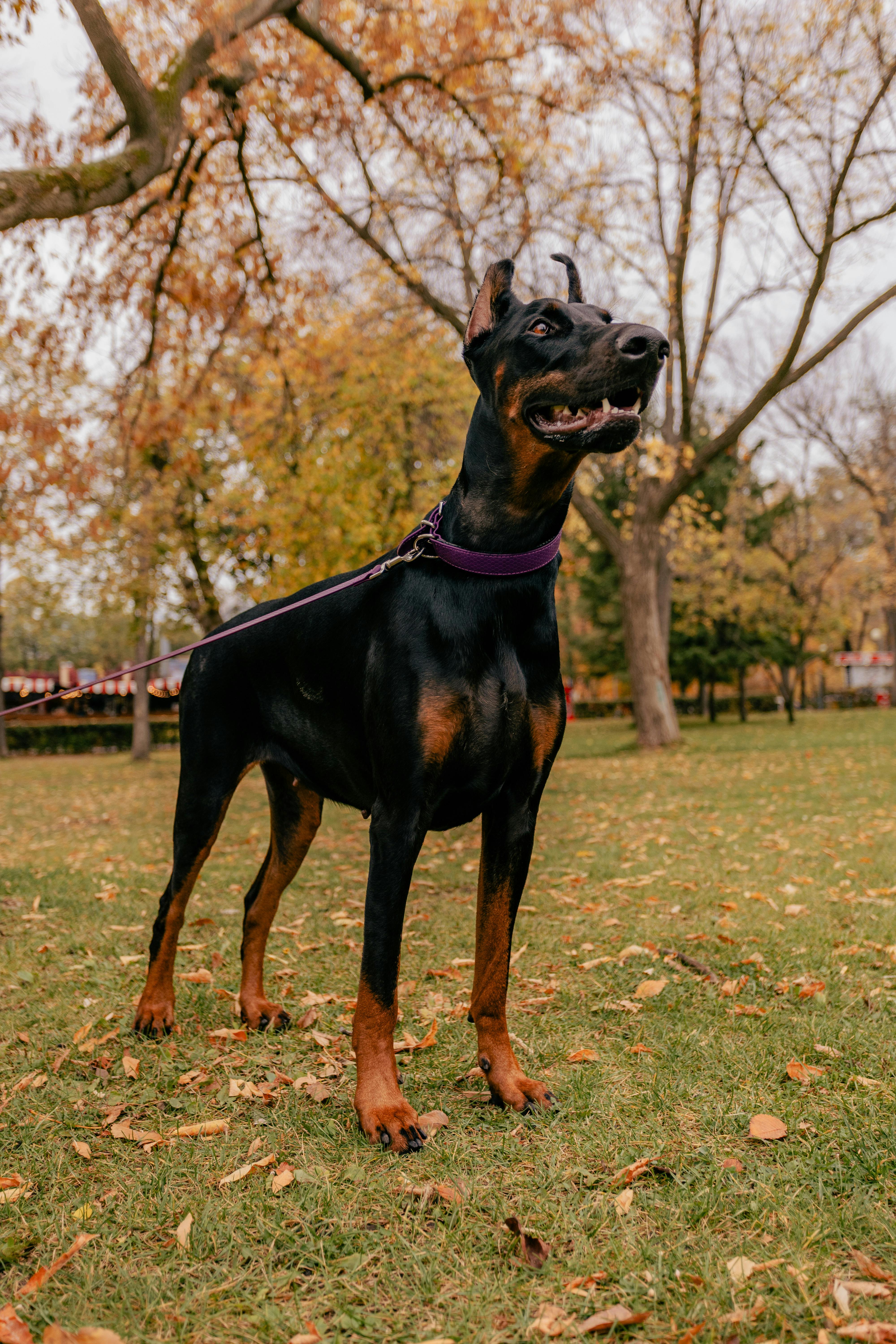
The Doberman Pinscher is power and elegance perfectly balanced — a sleek, muscular guardian with aristocratic bearing and razor-sharp intelligence. Developed specifically as the ideal personal protection dog, Dobermans combine alertness, trainability, and unwavering loyalty with an athletic build and fearless temperament. They're not just guard dogs; they're devoted family companions who bond intensely with their people while maintaining the vigilance and protective instincts that made them legendary.
Unlike many breeds that developed gradually over centuries, the Doberman Pinscher was created deliberately by one man with a specific purpose in mind. Karl Friedrich Louis Dobermann was a tax collector, night watchman, and dog catcher in Germany during the 1880s. His work took him through dangerous areas where he needed protection, so he set out to create the perfect guard dog.
Dobermann had access to many dogs through his dog-catching duties and selectively bred for specific traits: loyalty, intelligence, strength, fearlessness, and trainability. While the exact breeds used aren't definitively documented, the mix likely included Rottweilers, German Pinschers, Greyhounds, Weimaraners, and possibly Manchester Terriers and German Shepherd Dogs.
The result was a medium-to-large dog with the loyalty of a Rottweiler, the athletic build of a Greyhound, the courage needed for protection work, and exceptional trainability. These dogs excelled at Dobermann's work, and other breeders recognized their potential.
After Dobermann's death in 1894, German breeders continued refining the breed, tempering the early dogs' sharpness while maintaining their protective instincts. The breed was named "Dobermann Pinscher" in honor of its creator (though "Pinscher" was later dropped in many countries).
Dobermans arrived in the United States in the early 1900s and gained American Kennel Club recognition in 1908. They've served with distinction in military and police work, search and rescue, and as devoted family guardians.
The Doberman Pinscher is intelligent, loyal, and alert. These dogs possess exceptional mental acuity and are often described as one of the smartest breeds. They're highly trainable and excel at learning complex tasks, though that intelligence means they need mental stimulation and purpose.
Dobermans bond intensely with their families and are remarkably affectionate with their people. Despite their tough reputation, they're often called "Velcro dogs" who want to be near their humans constantly. Many Dobermans consider themselves lap dogs, regardless of their size.
Their protective instinct is strong and inherent. A Doberman will naturally guard their family and property without training, though training shapes how that instinct is expressed. They're vigilant watchdogs who miss nothing and will position themselves between their family and perceived threats.
With proper socialization and training, Dobermans can be excellent with children in their own families. They're typically gentle, patient, and protective toward kids they know. However, supervision is essential given their size and strength.
Toward strangers, Dobermans are naturally reserved and watchful. They assess newcomers carefully before deciding to accept them. This wariness is appropriate for a guardian breed, but extensive socialization ensures it doesn't become excessive suspicion or fear-based aggression.
With other dogs, Dobermans can be good companions when properly socialized, though some can be dominant or dog-aggressive, particularly males toward other males. Early socialization and ongoing management are important.
Dobermans are sensitive dogs beneath their tough exterior. They're highly attuned to their family's emotions and respond poorly to harsh training methods or chaotic households. They need consistent, fair leadership and positive training approaches.
The Doberman Pinscher is a medium-to-large dog with a square, muscular build. Males typically stand 26-28 inches at the shoulder and weigh 75-100 pounds, while females are 24-26 inches and 60-90 pounds. They should be powerful and athletic without appearing bulky.
Their most distinctive features include their sleek, elegant profile, wedge-shaped head, and alert expression. Traditionally, Dobermans' ears were cropped to stand erect and tails were docked very short, though these practices are banned in many countries and becoming less common elsewhere. Natural Dobermans have floppy ears and long tails.
The coat is short, smooth, and lies close to the body, coming in black, red, blue, or fawn (Isabella), all with rust-colored markings on the face, chest, legs, and beneath the tail. This distinctive color pattern is characteristic of the breed.
Their movement is effortless and powerful, conveying the athletic ability and endurance bred into them.
24-28 in
60-100 lbs
10-13 years
Dobermans are athletic, energetic dogs that need substantial daily exercise — at least one to two hours of vigorous activity. They were bred to work all day and possess considerable stamina.
These dogs excel at activities that challenge both body and mind: obedience, agility, tracking, protection sports, and dock diving are all excellent outlets. They enjoy running, hiking, and swimming, though many are happiest working closely with their handlers.
Mental stimulation is crucial. Dobermans are intelligent and need their minds engaged through training, puzzle toys, and new challenges. A bored Doberman can become destructive or develop unwanted behaviors.
Without adequate exercise and mental stimulation, Dobermans become restless, anxious, and difficult to manage. They're not suitable for sedentary owners or people who work long hours away from home.
Training is absolutely essential for Dobermans. These powerful, intelligent, protective dogs need proper training and socialization from puppyhood. Fortunately, their intelligence and eagerness to work make them highly trainable.
Dobermans excel at learning and often seem to anticipate what's expected before you ask. They respond beautifully to positive reinforcement methods using praise, play, and rewards. Despite their toughness, they're sensitive and don't respond well to harsh corrections.
Early and extensive socialization is critical. Doberman puppies need exposure to many different people, animals, environments, and experiences in positive contexts. This socialization helps ensure their protective instinct develops appropriately and prevents fear-based behaviors.
Basic obedience is just the beginning. Dobermans thrive with advanced training and excel at virtually any task they're taught. Many owners continue training throughout their dogs' lives, participating in dog sports or advanced obedience.
Managing protective instincts requires training. Teaching Dobermans to accept strangers when their family welcomes them, to be calm in public, and to distinguish between actual threats and normal situations is essential.
The Doberman's short coat is wonderfully low-maintenance. Weekly brushing removes loose hair and keeps their coat shiny. They shed moderately year-round.
Bathing is needed only occasionally, as their coat stays fairly clean. Regular nail trimming, ear cleaning (particularly important if ears are natural/uncropped), and dental care complete the grooming routine.
If ears are cropped, they require special care during the healing process and posting to help them stand correctly.
10-13 years
Dobermans have a lifespan of 10-12 years. Unfortunately, the breed faces several significant health challenges. Dilated cardiomyopathy (DCM), a serious heart condition, affects many Dobermans and is a leading cause of death in the breed. Von Willebrand's disease (a bleeding disorder), hip dysplasia, hypothyroidism, and wobbler syndrome (cervical vertebral instability) are other concerns.
The prevalence of DCM in Dobermans is particularly heartbreaking. Many healthy-appearing dogs develop this condition, often with little warning. Responsible breeders screen breeding dogs and research continues to better understand and address this disease.
Prospective owners should be aware of these health challenges and prepared for potential veterinary expenses.
Doberman Pinschers may be predisposed to the following health conditions. Click on any condition to learn more about symptoms, treatment, and prevention.
Digestive
Pet parents, listen up. This is one of the most serious and terrifying conditions that can affect a dog: Bloat, also...
Prevalence: Common
Skin
Hey there, pet parents. Today we're looking at a genetic skin condition with a very descriptive name: Color Dilution...
Prevalence: Very Common
Cardiovascular
Hello, wonderful pet parents. Today, we're going to discuss a serious heart condition that primarily affects our...
Prevalence: Very Common
Endocrine
Hey there, pet parents. Is your middle-aged dog gaining weight despite not eating more, seeming sluggish and lazy?...
Prevalence: Very Common
Other
Hey there, puppy parents. Today we need to talk about a very serious and highly contagious disease that primarily...
Prevalence: Very Common
Neurological
Hey there, pet parents. Today we're going to talk about a condition with a very descriptive name: Wobbler Syndrome....
Prevalence: Very Common