Dalmatian
Spotted Elegance with Boundless Energy
Spotted Elegance with Boundless Energy
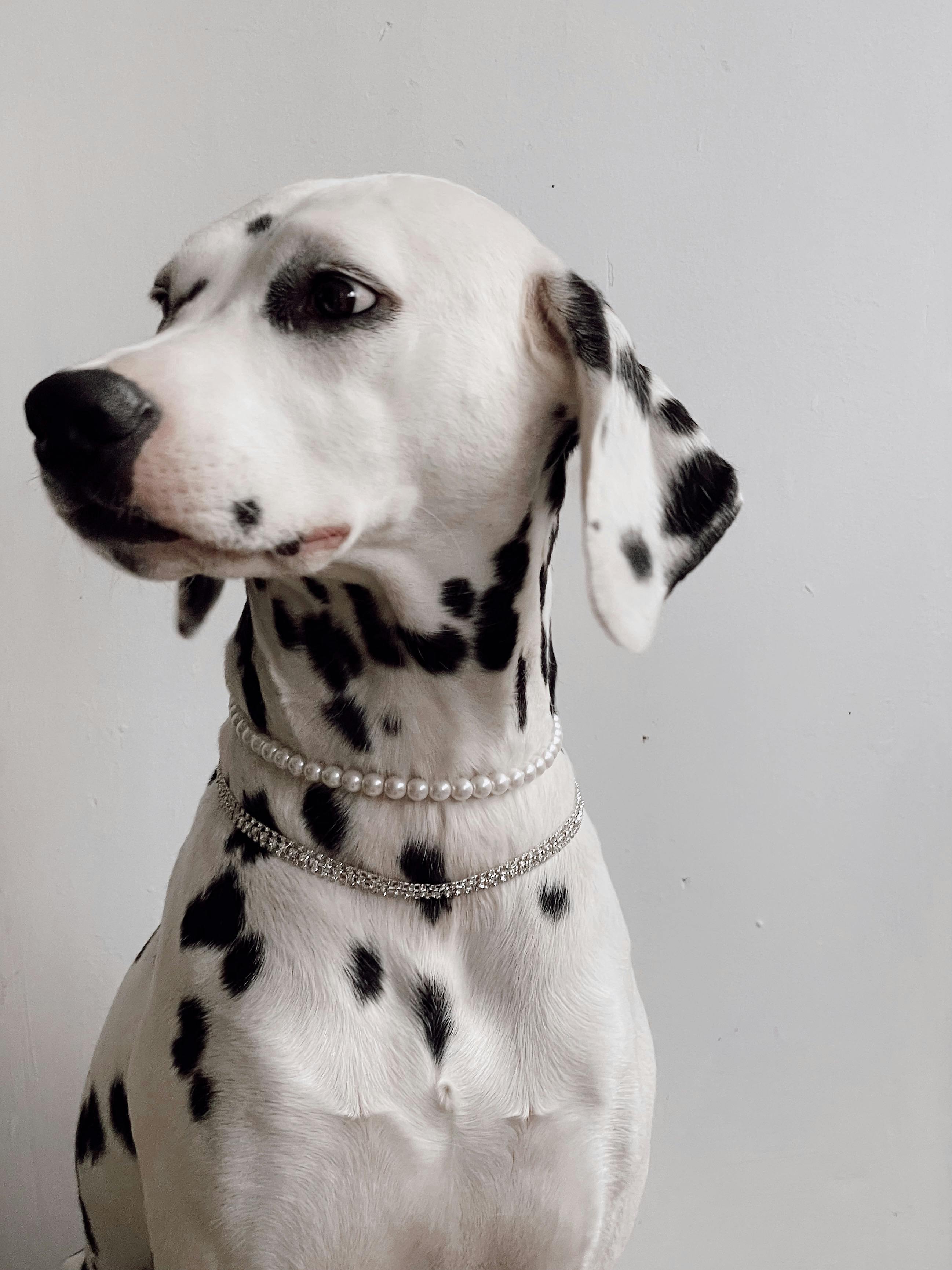
The Dalmatian is unmistakable — those distinctive black or liver spots on a white coat create a pattern found in no other breed. But there's far more to Dalmatians than their striking appearance. These elegant, athletic dogs were bred to run alongside horse-drawn carriages for miles, and that heritage translates to exceptional endurance, high energy, and a need for substantial exercise. They're intelligent, independent thinkers who form strong bonds with their families while maintaining a dignified, sometimes aloof demeanor.
The Dalmatian's exact origins are somewhat mysterious, though historical evidence places similar spotted dogs in various locations throughout Europe, Asia, and Africa. The breed's name comes from Dalmatia, a region on the Adriatic Sea (now part of Croatia), where they were particularly well-established by the 18th century.
Dalmatians found their purpose as "coach dogs" or "carriage dogs" in England during the 17th and 18th centuries. They ran alongside horse-drawn carriages, clearing paths, guarding the horses and cargo during stops, and adding an elegant, prestigious element to wealthy families' equipages. Their endurance allowed them to run for miles without tiring, and their distinctive appearance made them unmistakable status symbols.
When fire brigades used horse-drawn fire wagons, Dalmatians became firehouse mascots, running ahead to clear paths and guarding equipment at fire scenes. This association with firehouses has remained strong, and Dalmatians continue to serve as firehouse mascots today.
The breed arrived in the United States in the late 1800s and gained American Kennel Club recognition in 1888. While few work as coaching dogs today, Dalmatians have found new purposes in various dog sports and as active family companions.
The 1961 Disney film "101 Dalmatians" and its remake created enormous popularity for the breed, though this led to overbreeding and many dogs ending up in shelters when families discovered these beautiful dogs require substantial exercise and training.
Energetic, Independent, and Reserved
The Dalmatian is energetic, intelligent, and maintains a certain dignified reserve. These dogs bond deeply with their families but aren't typically demonstrative or overly affectionate. They show love through companionship and partnership rather than constant cuddling.
Dalmatians are highly energetic and retain the endurance bred for running alongside carriages. They need owners who can match their activity level and provide the substantial exercise they require. Without adequate outlets, they become destructive, hyperactive, and difficult to manage.
With children in their own families, Dalmatians can be wonderful — playful, patient, and protective. However, their energy level and size mean they're better suited to families with older children who won't be knocked over during play. Puppies and young Dalmatians can be particularly boisterous.
Toward strangers, Dalmatians are typically reserved or aloof. They're naturally protective of their families and property, making them excellent watchdogs. Early and extensive socialization helps ensure this wariness doesn't become excessive suspicion or aggression.
With other dogs, Dalmatians can be good companions when properly socialized, though some can be dominant or territorial, particularly males. Their play style is energetic and can overwhelm more sedate breeds.
Dalmatians are intelligent and independent thinkers who need consistent training and leadership. They can be stubborn and willful, requiring patient, firm handling. They're not blindly obedient dogs and need reasons to cooperate.
One unique characteristic: Dalmatians are known for having excellent memories. They remember people, places, and experiences for extended periods, which can be both advantageous and challenging.
"Smart but stubborn. Training requires consistency and patience."
For Active, Experienced Owners
The Dalmatian is emphatically not for everyone. They require substantial daily exercise, shed constantly, can be stubborn and independent, and need firm, consistent training. They're not suitable for first-time owners or people wanting a low-maintenance companion.
But for active individuals or families who can match their energy, appreciate their dignified independence, and don't mind white hair decorating every surface, Dalmatians are remarkable. They're elegant, athletic, devoted companions who excel at activities and offer loyal, if reserved, affection.
If you're a runner, cyclist, or highly active person who wants a canine partner for adventures, can commit to daily vigorous exercise, and appreciate independence over clinginess, a Dalmatian might be your match. Just invest in a really good vacuum cleaner, because those white hairs are relentless. The exercise demands are real, but for the right owner, these spotted beauties make exceptional companions.
The Dalmatian is a medium-sized dog built for endurance. Males typically stand 19-24 inches at the shoulder and weigh 45-70 pounds, while females are similar in height but may be slightly lighter. They should be athletic, muscular, and elegant without being delicate.
Their most distinctive feature is, of course, their spotted coat. Dalmatians are born pure white, with spots developing over the first few weeks of life and continuing to appear for months. The spots are black or liver (brown) and should be round, well-defined, and evenly distributed. No two Dalmatians have exactly the same spot pattern.
The coat is short, dense, and sleek, lying close to the body. Despite its short length, Dalmatians shed substantially year-round — their white hairs seem to work themselves into every surface.
Their head is proportionate to the body with moderate length, hanging ears, and dark eyes (or amber in liver-spotted dogs) that convey alert intelligence.
19-24 in
45-70 lbs
11-13 years
Dalmatians have very high exercise requirements — at least one to two hours of vigorous daily activity, and many need significantly more. They're bred for endurance running and possess stamina that can outlast most owners.
These dogs excel at activities that allow sustained running: jogging with their owners, cycling alongside, long hikes, and off-leash running in safely enclosed areas. They also enjoy dog sports like agility, flyball, and dock diving that combine physical and mental challenges.
Walking around the block won't satisfy a Dalmatian. They need opportunities for sustained cardiovascular exercise. Without adequate activity, they become destructive, hyperactive, and develop behavioral problems.
Mental stimulation is equally important. These intelligent dogs need their minds engaged through training, puzzle toys, and new experiences.
Dalmatians are not suitable for sedentary owners, apartment living (unless you're committed to hours of daily exercise), or people who work long hours away from home.
Dalmatians are intelligent and trainable but require firm, consistent leadership. They're independent thinkers who need to respect their handler to cooperate. Permissive or inconsistent training creates stubborn, willful dogs who challenge boundaries.
Positive reinforcement works well, though Dalmatians aren't as eager to please as some breeds. They need to understand what's in it for them. Training should be engaging and varied, as they bore easily with repetition.
Early and extensive socialization is critical. Dalmatian puppies need exposure to many different people, animals, environments, and experiences in positive contexts. This socialization helps prevent their natural reserve from becoming excessive suspicion.
These dogs mature slowly and can remain puppyish mentally well into their second or third year. Patient, consistent training throughout this extended adolescence is essential.
Recall training deserves special attention, as Dalmatians can have strong prey drives and may take off running if something catches their attention.
The Dalmatian's short coat is easy to maintain but sheds constantly. Daily brushing helps control the substantial shedding, though even with regular brushing, expect to find white hairs everywhere. Dalmatians are not a good choice for people who value spotless homes.
Bathing is needed occasionally to keep them clean. Regular nail trimming, ear cleaning, and dental care complete the grooming routine.
Dalmatians have unique urinary systems that produce more uric acid than other breeds. Ensuring they have constant access to fresh water and regular bathroom breaks helps prevent urinary issues.
11-13 years
Dalmatians have a lifespan of 11-13 years. Their most unique health concern is their predisposition to forming urinary stones due to their distinctive uric acid metabolism. About 10-12% of Dalmatians will develop urinary stones during their lifetime.
Deafness is another significant concern. Approximately 8% of Dalmatians are born completely deaf, and 22-24% are deaf in one ear. Deafness is linked to the gene that produces their white coat. Responsible breeders test puppies' hearing and don't breed deaf dogs.
Hip dysplasia, allergies, thyroid issues, and eye problems can also occur in the breed.