Cane Corso
Ancient Guardian, Modern Protector
Ancient Guardian, Modern Protector
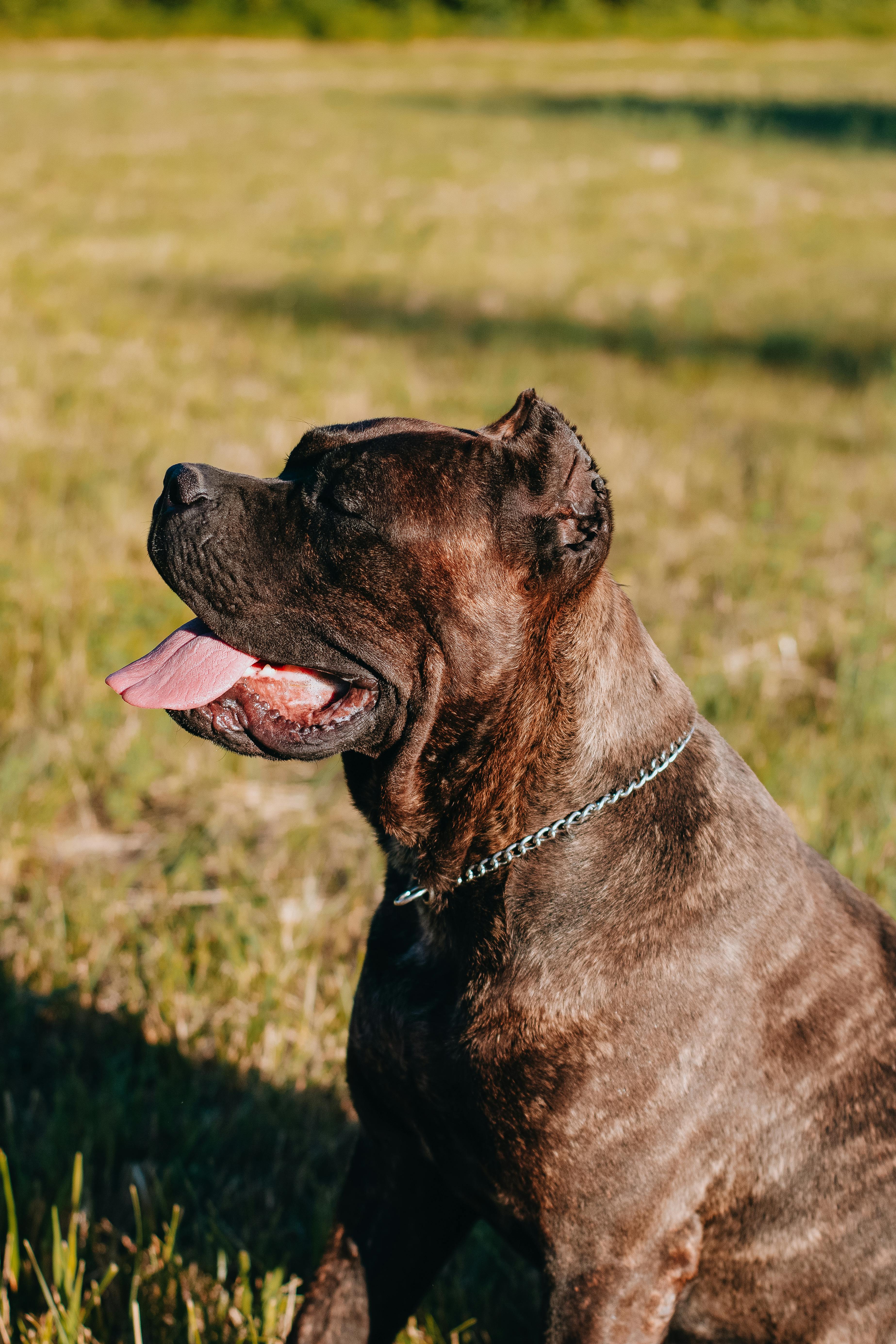
The Cane Corso is power, loyalty, and intelligence wrapped in a muscular, imposing frame. This large Italian mastiff descends from ancient Roman war dogs and has guarded property, livestock, and families for centuries. With their impressive build, intense gaze, and natural protective instincts, Cane Corsos command respect. Yet beneath that formidable exterior lies a devoted companion who bonds deeply with family and possesses remarkable gentleness toward those they love. This is a serious working breed that demands experienced ownership and proper training.
From Roman Legions to Italian Farms
The Cane Corso's lineage traces back over 2,000 years to ancient Rome, where they descended from the Canis Pugnax — a large mastiff-type dog used in warfare and as gladiator arena combatants. After the Roman Empire's fall, these dogs found new purpose on Italian farms and estates.
For centuries, Cane Corsos worked as versatile farm dogs in rural southern Italy, particularly in Puglia. They guarded property and livestock, hunted dangerous game including wild boar, and drove cattle to market. Their name likely derives from the Latin "cohors" meaning protector or guardian.
By the mid-20th century, changing agricultural practices and war had decimated the breed. Cane Corsos nearly vanished entirely. In the 1970s, a group of Italian dog enthusiasts formed the Society Amorati Cane Corso and worked to recover and preserve the remaining dogs. Through careful breeding programs, they reestablished the breed.
The Italian Kennel Club officially recognized the Cane Corso in 1994, and the Federation Cynologique Internationale followed in 2007. The American Kennel Club granted recognition in 2010. Today, while their working heritage remains strong, many Cane Corsos serve as family protectors and companions.
"Mine is amazing with my kids — patient and protective — but I never leave them unsupervised."
"Socialization never stops. We continue exposing our Corso to new situations regularly."
"Powerful dog. Needs strong leadership and clear boundaries."
For Experienced, Responsible Owners Only
The Cane Corso is emphatically not for everyone. This breed requires experienced ownership, extensive training and socialization, secure containment, and commitment to responsible management. They're powerful, protective, and will make independent decisions without proper guidance.
In the wrong hands, Cane Corsos can become dangerous. In the right hands — with owners who understand guardian breeds, can provide firm but fair leadership, and commit to proper training — they're remarkable companions.
They're not aggressive monsters, despite media portrayals. They're working dogs bred to protect, and that instinct must be respected and managed. For experienced owners who can meet their needs, Cane Corsos offer unwavering loyalty, impressive presence, and devoted companionship.
If you want a guardian breed, have experience with large, powerful dogs, can provide extensive training and socialization, and understand the responsibility of owning a protective breed, the Cane Corso might be suitable. But if you're a first-time owner, want a casual companion, or can't commit to serious training, look elsewhere. This magnificent breed deserves owners who can guide them properly and appreciate their noble heritage.
The Cane Corso is confident, intelligent, and intensely devoted to their family. These dogs form powerful bonds and will protect their people with unwavering determination. This protective instinct is hardwired and will emerge regardless of training, though proper training shapes how it's expressed.
With their families, Cane Corsos are affectionate, gentle, and remarkably patient. They're typically wonderful with children in their own household, showing tolerance and protective watchfulness. However, supervision is essential given their size and strength.
Toward strangers, Cane Corsos are naturally wary and reserved. They observe newcomers carefully, assessing potential threats. This wariness is appropriate for a guardian breed, but it requires extensive socialization to prevent it from becoming excessive fear or aggression. A well-socialized Cane Corso is calm and controlled around strangers, watchful but not reactive.
These dogs are not for passive or first-time owners. They're thinking dogs who assess situations independently and will make decisions if not given clear leadership. They need confident handlers who can provide consistent rules and structure.
Cane Corsos are generally calm and stable when properly exercised and trained, but they possess tremendous strength and protective drive. Without appropriate training, socialization, and management, they can become dangerous. This is not a breed to acquire casually.
With other dogs, Cane Corsos can be dominant and territorial, particularly toward same-sex dogs. Early socialization and ongoing management are essential. Many Cane Corsos do best as the only dog or with dogs of the opposite sex.
Their prey drive can be strong, making them unreliable with cats and small pets unless raised together from puppyhood.
The Cane Corso is a large, muscular, athletic dog built for power and endurance. Males typically stand 25-27.5 inches at the shoulder and weigh 100-110 pounds proportionate to height, while females are 23.5-26 inches and 85-100 pounds. They should be substantial and powerful without appearing bulky or clumsy.
Their head is large and imposing with a broad skull and distinctive deep muzzle. Dark, almond-shaped eyes convey intelligence and intensity. Ears may be cropped (still common in some countries) or natural, where they hang forward.
The coat is short, dense, and stiff, providing weather protection. Colors include black, shades of gray, shades of fawn/red, and brindle patterns. Some Cane Corsos have small white patches on the chest, throat, chin, or toes.
Their movement is powerful and effortless, with ground-covering strides that demonstrate their athletic ability and working heritage.
23-27 in
90-120 lbs
9-12 years
Despite their size, Cane Corsos are athletic and need regular exercise — at least one to two hours daily. Long walks, hikes, free play in securely fenced areas, and activities that engage both body and mind keep them satisfied.
They enjoy activities like weight pulling, tracking, protection sports, and obedience work that allow them to use their natural abilities constructively. Mental stimulation is equally important — these intelligent dogs need their minds engaged through training, puzzle toys, and problem-solving activities.
Without adequate exercise and mental stimulation, Cane Corsos can become bored and destructive. A well-exercised Cane Corso is calmer and more manageable.
Secure fencing is absolutely essential. Cane Corsos are protective of their territory and powerful enough to challenge most fences if motivated. Fencing should be at least six feet tall and sturdy.
Training and socialization are non-negotiable with Cane Corsos. This breed needs extensive, consistent training from puppyhood through adulthood. They're intelligent and learn quickly but need firm, fair, consistent leadership.
Positive reinforcement methods work well, though these dogs need to respect their handler. Training should establish clear boundaries and expectations without using harsh corrections that can create fear or aggression.
Start training early — by 8 weeks old, puppies should begin learning basic commands and house rules. Enrollment in puppy kindergarten and continuing through advanced obedience provides structure and socialization.
Socialization is equally critical. Cane Corso puppies need extensive exposure to different people, animals, environments, sounds, and situations in positive contexts. This socialization must continue throughout their lives. A poorly socialized Cane Corso is a liability.
These dogs need to learn that strangers aren't threats, that not every situation requires protection, and that their handler will determine when protective behavior is appropriate.
Recall, impulse control, and "leave it" commands deserve special attention. Managing a powerful, protective breed requires reliable control.
The Cane Corso's short coat is low-maintenance. Weekly brushing removes loose hair and keeps their coat healthy. They shed moderately year-round with slightly heavier periods seasonally.
Bathing is needed every few months or when dirty. Regular nail trimming, ear cleaning, and dental care complete the routine.
Their size means they eat substantial amounts of food, and quality nutrition is important for maintaining health and appropriate body condition.
9-12 years
Cane Corsos have a lifespan of 9-12 years. Like many large breeds, they can be prone to hip dysplasia, elbow dysplasia, and bloat (gastric dilatation-volvulus). Eye problems including entropion and ectropion, heart conditions, and certain skin conditions can also occur.
Responsible breeders screen for genetic conditions and provide health clearances. Maintaining healthy weight, providing appropriate exercise, and regular veterinary care support overall health.
Bloat is a particular concern in deep-chested breeds. Feeding multiple smaller meals rather than one large meal and avoiding exercise immediately after eating may help reduce risk.
Cane Corsos may be predisposed to the following health conditions. Click on any condition to learn more about symptoms, treatment, and prevention.