Bulldog
A Gentle Soul in a Wrinkled Package
A Gentle Soul in a Wrinkled Package
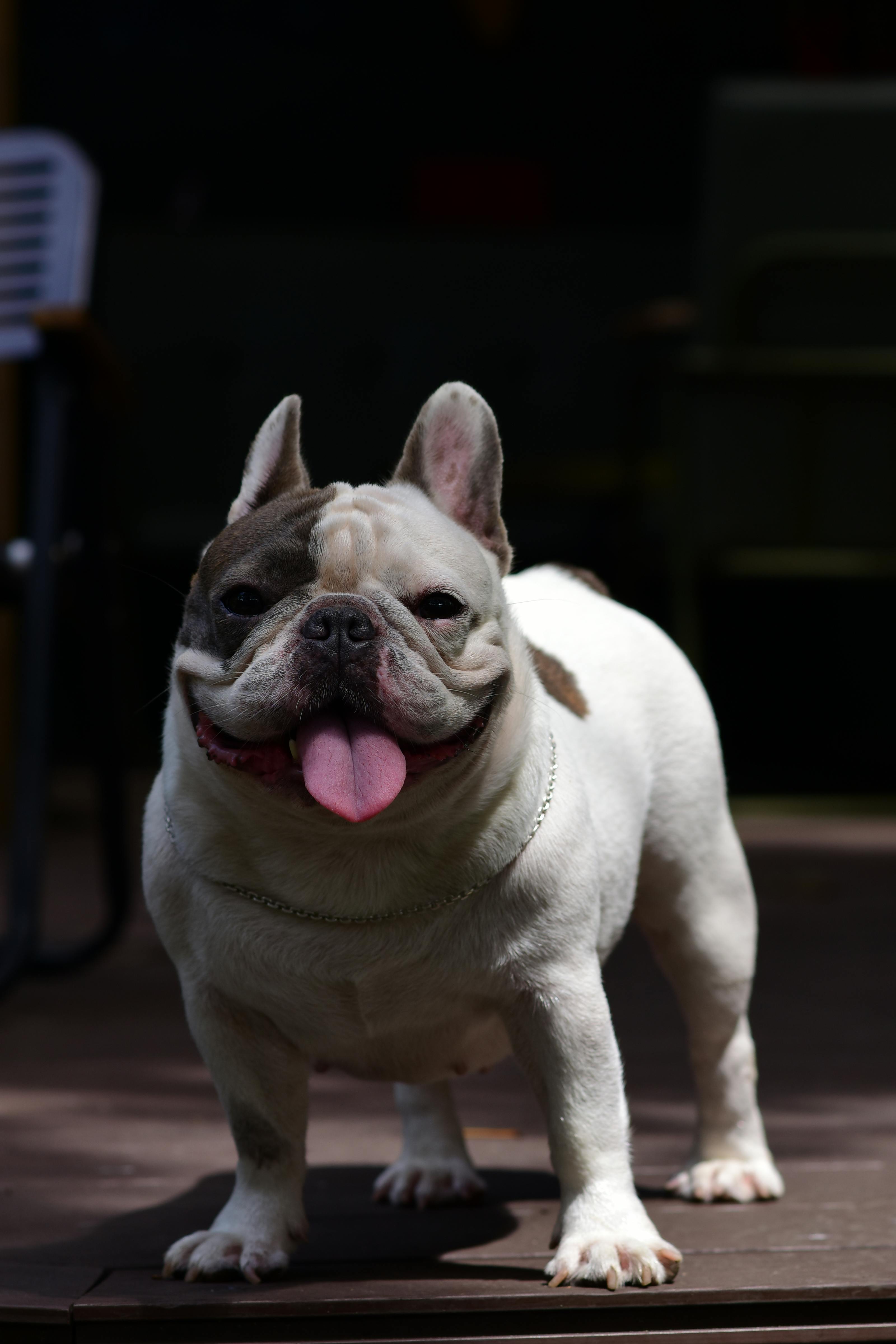
The Bulldog is a study in contrasts — a breed with a fierce, intimidating appearance harboring one of the gentlest, most laid-back temperaments in the dog world. With their massive head, pushed-in face, muscular build, and distinctive rolling gait, Bulldogs are instantly recognizable. They've transformed from fearsome bull-baiting dogs to beloved couch companions who approach life with calm dignity, occasional bursts of playfulness, and unwavering devotion to their families.
The Bulldog's history is rooted in a brutal past. The breed descended from ancient mastiff-type dogs and was developed in England for bull-baiting — a barbaric sport where dogs attacked tethered bulls for entertainment. Bulldogs were bred for their courageous, tenacious nature, powerful jaws, and distinctive pushed-in face that allowed them to breathe while holding onto their prey.
When bull-baiting was banned in England in 1835, the Bulldog's original purpose disappeared. The breed might have vanished entirely, but dedicated fanciers worked to preserve these dogs, selectively breeding for gentler temperaments while maintaining their distinctive appearance.
Through generations of careful selection, breeders transformed the Bulldog from an aggressive fighting dog into a calm, affectionate companion. The modern Bulldog bears little resemblance in temperament to their fierce ancestors, though their physical appearance remains imposingly powerful.
The breed became popular in the late 1800s and has since become a beloved symbol — the mascot of tenacity, determination, and character. They represent numerous universities, sports teams, and even entire nations (the British Bulldog being a symbol of English determination).
The American Kennel Club recognized the Bulldog in 1886, and they've remained consistently popular in the United States and worldwide.
The modern Bulldog is calm, courageous, and remarkably gentle. These dogs possess a steady, dignified temperament that makes them excellent companions for various lifestyles. They're not aggressive or reactive — quite the opposite. Most Bulldogs approach life with admirable equanimity.
Bulldogs are deeply devoted to their families and form strong bonds. They're affectionate without being demanding, content to lie nearby and observe rather than demanding constant attention. Many Bulldogs are "couch potatoes" who excel at relaxation and can outsnore their humans.
With children, Bulldogs are typically wonderful. Their patient, gentle nature makes them tolerant of childish antics, and their sturdy build means they're not easily injured by enthusiastic play. They seem to understand they need to be gentle with small children and adjust their behavior accordingly.
Toward strangers, Bulldogs are usually friendly, though they may be initially reserved. They make decent watchdogs who will alert you to visitors but rarely show aggression. Their appearance alone often deters unwanted visitors, though the typical Bulldog would prefer to make friends rather than enemies.
Bulldogs generally get along well with other dogs and household pets when properly socialized. They're not typically dominant or quarrelsome, preferring peaceful coexistence.
The breed is famously stubborn. Bulldogs have strong opinions about what they want to do (usually involving minimal effort) and see little reason to change their minds. This stubbornness can make training challenging and creates amusing standoffs between Bulldogs and their owners.
The Bulldog is a medium-sized dog with a low-slung, wide, compact, and muscular build. They typically stand 14-15 inches at the shoulder and weigh 40-50 pounds, with males being slightly larger than females. They should be thick-set and powerful without appearing overly heavy.
Their most distinctive features include their massive, square head with a pushed-in (brachycephalic) face, undershot jaw creating that characteristic jutting lower jaw, and wrinkled skin particularly around the face and neck. Small, thin, folded ears called "rose ears" frame their broad head.
The coat is short, smooth, and fine, coming in various colors including brindle, solid white, solid red, fawn, or piebald (patched). Any color or combination is acceptable except solid black, which is rare and often indicates crossbreeding.
Their distinctive gait — a loose-jointed, shuffling, rolling walk — is characteristic of the breed and adds to their unique charm.
14-15 in
40-50 lbs
8-10 years
Bulldogs have low exercise requirements — short walks and brief play sessions are typically sufficient. They're not marathon athletes and often prefer leisurely strolls to vigorous exercise. Many Bulldogs will tell you when they've had enough by simply sitting down and refusing to move further.
However, exercise is important for maintaining healthy weight. Obesity is a significant concern in Bulldogs and exacerbates their breathing difficulties and joint problems.
Their brachycephalic (short-muzzled) structure makes them prone to overheating and breathing difficulties, particularly during exercise. They should never be exercised in hot or humid weather, and access to air conditioning is essential during summer months. Bulldogs can develop life-threatening heat stroke quickly.
Swimming deserves special mention — many Bulldogs cannot swim due to their heavy front end and short legs. They should never be left unsupervised near pools or bodies of water, and life jackets are essential if introducing them to water.
Training a Bulldog requires patience, humor, and creativity. They're intelligent but see absolutely no reason to expend energy on commands unless there's something compelling in it for them. Traditional obedience training can be an exercise in futility with this breed.
Positive reinforcement using high-value food rewards works best, though even this requires persistence. Training sessions should be short, as Bulldogs have limited patience for repetitive activities.
Start training early, as it's easier to guide a 20-pound puppy than convince a 50-pound adult who's made up their mind. Focus on essential commands and house training rather than expecting perfect obedience.
Socialization is typically straightforward, as most Bulldogs are naturally friendly. Exposure to various people, animals, and experiences builds confidence and ensures their gentle nature develops fully.
The key to living successfully with a Bulldog is accepting their personality rather than fighting it. They'll never be obedience champions, but they'll offer loyal companionship on their own terms.
The Bulldog's short coat is easy to maintain with weekly brushing. They shed moderately year-round, with slightly heavier periods seasonally.
The wrinkles require regular attention — they must be cleaned and thoroughly dried to prevent skin infections in the folds. This is particularly important for the facial wrinkles and the "rope" (the wrinkled fold) over the nose. Many owners clean wrinkles daily using special wipes or damp cloths.
Their facial structure means Bulldogs often have difficulty breathing, which leads to snoring, snorting, and wheezing — normal sounds for the breed. They also frequently drool and can be gassy, which prospective owners should accept as part of the package.
Regular nail trimming, ear cleaning (those folded ears can trap moisture), and dental care complete the grooming routine.
8-10 years
Bulldogs face significant health challenges, primarily due to their extreme physical structure. Their average lifespan is only 8-10 years, shorter than many breeds their size.
Brachycephalic airway syndrome causes breathing difficulties and heat intolerance. Hip dysplasia, cherry eye, dry eye, entropion, ectropion, skin fold dermatitis, and allergies are common. Many Bulldogs require cesarean sections for breeding due to their large heads and narrow pelvises.
Prospective owners must understand that Bulldogs often require significant veterinary care throughout their lives. This breed demands financial preparedness for health issues and access to veterinary care, particularly emergency care for breathing crises.
Responsible breeders work to produce healthier Bulldogs with more moderate features, though the breed's fundamental structure creates inherent health challenges.
Bulldogs may be predisposed to the following health conditions. Click on any condition to learn more about symptoms, treatment, and prevention.
Respiratory
Hello to all the proud parents of pugs, Frenchies, and bulldogs! We adore our flat-faced (brachycephalic) friends...
Prevalence: Very Common
Eye
Hey there, pet parents. Today we're going to look at two common eyelid problems in dogs: Entropion and Ectropion....
Prevalence: Common
Skin
Hey, pet parents. The word "mange" can sound pretty scary, and it brings to mind images of stray dogs with patchy...
Prevalence: Common
Cancer
Hey there, pet parents. Today we're going to talk about the most common type of skin cancer in dogs: the Mast Cell...
Prevalence: Very Common