Brittany
A Compact Powerhouse of Energy and Affection
A Compact Powerhouse of Energy and Affection
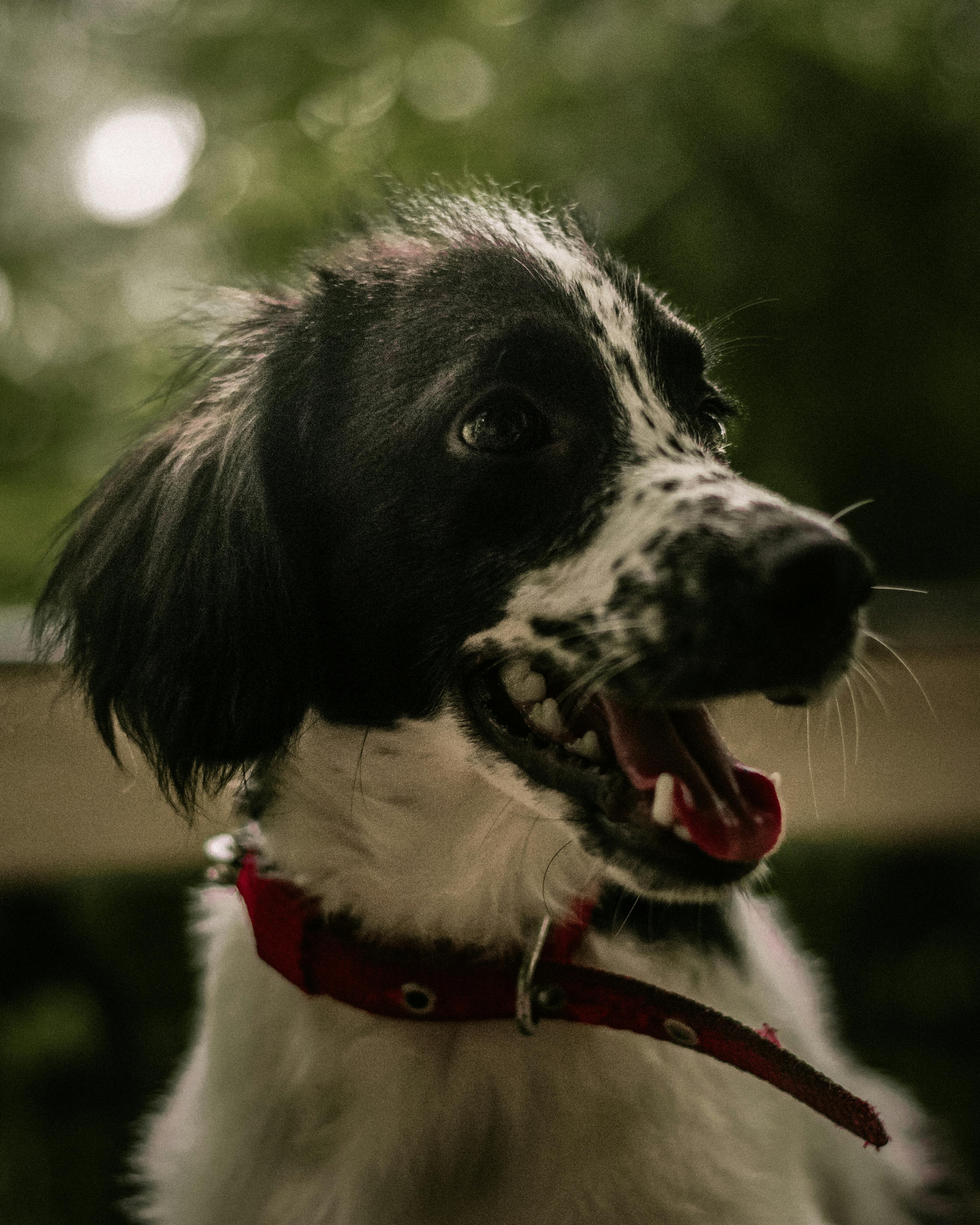
The Brittany is a bundle of energy, enthusiasm, and bird-hunting excellence wrapped in a compact, athletic package. Named for the French province where they originated, these versatile gun dogs combine remarkable hunting ability with a sweet, eager-to-please temperament. They're smaller than most sporting breeds but pack immense drive, intelligence, and stamina into their medium build. For active families who can match their energy, Brittanys offer devoted companionship and tireless enthusiasm for life.
The Brittany developed in the Brittany province of northwestern France during the 17th and 18th centuries. French hunters needed a versatile dog capable of pointing and retrieving game across varied terrain. Unlike the British shooting tradition with specialized dogs for each task, French hunters wanted one dog who could do everything.
Local spaniel-type dogs were crossed with various setters, likely including English Setters and Pointers brought by British sportsmen. The result was a leggy, athletic dog with excellent scenting ability, natural pointing instinct, and reliable retrieving skills. These dogs worked close to the hunter rather than ranging far afield, making them ideal for hunters on foot.
The first Brittany was officially registered in France in 1907. The breed arrived in the United States in the 1930s and gained American Kennel Club recognition in 1934, initially as the "Brittany Spaniel." The "Spaniel" designation was dropped in 1982 to reflect the breed's pointing rather than flushing heritage, though some countries still include it in the name.
Brittanys quickly proved themselves in American field trials, becoming one of the most successful pointing breeds in competition. Their versatility, trainability, and manageable size made them popular both as hunting dogs and active family companions.
The Brittany is happy, affectionate, and perpetually enthusiastic. These dogs approach life with optimism and energy that can be both delightful and overwhelming. They're bred to work closely with hunters all day, which translates to an intense desire for human companionship and participation in activities.
Brittanys are sensitive, people-oriented dogs who bond deeply with their families. They're not independent workers but rather partners who constantly check in and look to their people for direction. This sensitivity makes them responsive to training but also means they don't handle harsh corrections or being left alone well.
With proper outlets for their energy, Brittanys are gentle, sweet-natured companions. They're typically wonderful with children, showing patience and enjoying games and activities with active kids. Their medium size makes them less overwhelming than larger sporting breeds while still being sturdy enough for family play.
Toward strangers, most Brittanys are friendly once properly introduced, though some can be reserved. Early socialization helps ensure their natural friendliness develops appropriately and prevents shyness.
They generally get along well with other dogs and enjoy canine companionship, particularly for play and exercise. With proper introduction and training, many Brittanys coexist peacefully with cats and other household pets, though their hunting instinct may lead to chasing.
Without adequate exercise and mental stimulation, Brittanys can become anxious, hyperactive, and difficult to live with. They're bred for all-day hunting work and need substantial activity to channel their energy constructively.
The Brittany is a medium-sized dog built for agility and endurance. They typically stand 17.5-20.5 inches at the shoulder and weigh 30-40 pounds. They're compact and athletic without being delicate, with a leggy build that allows quick movement through varied terrain.
Their coat is dense and flat or wavy, providing weather protection without excessive feathering. Color patterns include orange and white, liver and white, black and white (more common in France than America), or tri-color, with either clear or roan patterning. The moderate-length coat is relatively easy to maintain.
Brittanys have expressive, intelligent eyes and high-set ears that frame an alert, eager face. Some are born with naturally short tails, while others have full-length tails — both are acceptable in most breed standards, though tail docking was historically practiced.
17-21 in
30-40 lbs
12-14 years
Brittanys have very high exercise requirements — at least one to two hours of vigorous activity daily, and many need significantly more. They're bred for all-day hunting work and possess stamina that can outlast most owners.
These dogs excel at activities that engage both body and mind. Hunting is their original purpose and what they're built for, but they also shine in field trials, agility, dock diving, and other dog sports. Long runs, hikes, swimming, and energetic play sessions all provide necessary outlets.
Mental stimulation is equally important. Brittanys are intelligent dogs who need their minds engaged through training, puzzle toys, scent work, and learning new skills. Physical exercise alone won't satisfy this breed — they need to think and problem-solve.
Without sufficient activity, Brittanys become destructive, anxious, and hyperactive. A bored Brittany will find ways to burn energy, and you probably won't appreciate their creativity. This is not a breed for sedentary owners or people who work long hours away from home.
Brittanys are highly trainable and genuinely eager to please. They're intelligent, learn quickly, and respond beautifully to positive reinforcement methods. Praise, treats, and play motivate them effectively, while harsh corrections damage their sensitive nature.
Their sensitivity requires a gentle, patient approach. Brittanys want to do the right thing and become anxious or shut down if treated harshly. They read their handler's emotions well and respond to subtle cues.
Consistency matters, though Brittanys are generally less stubborn than some sporting breeds. They're bred to work cooperatively with hunters, which translates to a genuine desire to understand and follow direction.
Early socialization is important to build confidence and prevent shyness. Exposure to various people, animals, environments, and experiences helps them develop into well-adjusted adults.
Managing hunting instincts requires training. Recall work is essential, as a Brittany who catches a scent may follow it with single-minded focus. Many owners participate in hunting training or field work to provide appropriate outlets for these instincts.
The Brittany's moderate-length coat is relatively low-maintenance. Weekly brushing keeps it healthy and controls moderate shedding. The coat doesn't mat easily, though the feathering on the ears, legs, and chest may need occasional attention.
Bathing is needed only when they get dirty, which can be frequent if they're actively hunting or hiking. Their coat sheds dirt reasonably well between baths.
Regular nail trimming (particularly important for active dogs), ear cleaning, and dental care complete the grooming routine. Active Brittanys may naturally wear down their nails, but regular checks ensure they don't become overgrown.
12-14 years
Brittanys are generally healthy with a lifespan of 12-14 years. Hip dysplasia, hypothyroidism, epilepsy, and certain eye conditions can occur in the breed. Some Brittanys are sensitive to certain medications and environmental factors.
Responsible breeders screen for genetic conditions and provide health clearances for breeding stock. Maintaining healthy weight and providing appropriate exercise supports joint health and overall wellness.