Bichon Frise
A Fluffy Bundle of Joy and Charm
A Fluffy Bundle of Joy and Charm
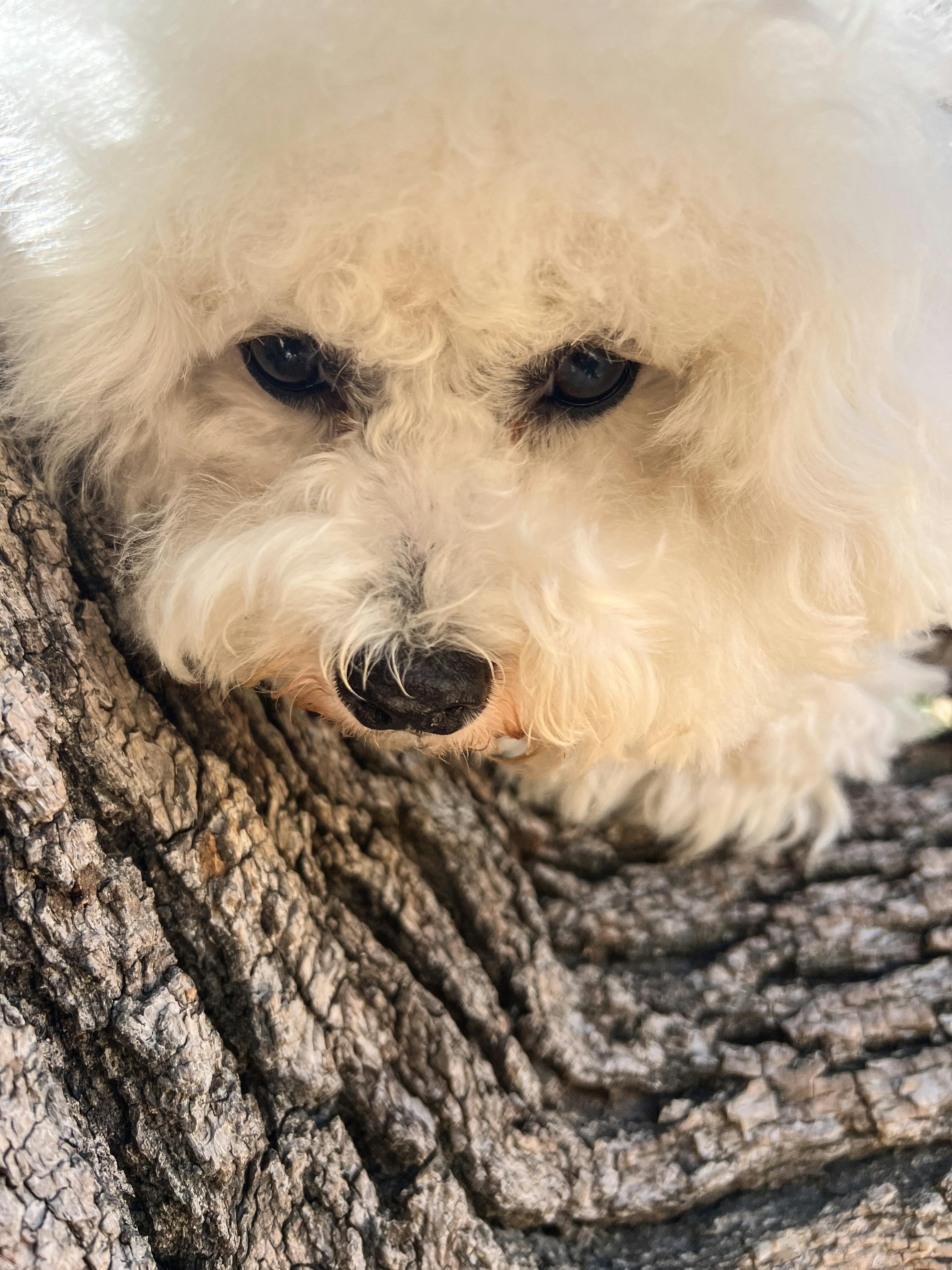
The Bichon Frise is pure happiness in a small, white, fluffy package. With their cheerful disposition, powder-puff appearance, and eyes that sparkle with mischief and affection, these little dogs have been charming their way into hearts for centuries. Don't let their fancy appearance fool you — beneath that carefully groomed coat is a sturdy, playful companion who loves life, loves people, and approaches each day with infectious enthusiasm.
From Mediterranean Ships to French Nobility
The Bichon Frise's history stretches back several centuries to the Mediterranean region, where small white dogs traveled with sailors as companions and possibly as trading goods. These dogs were particularly popular with Spanish sailors and became established on the island of Tenerife, leading to one of their earlier names: the Tenerife Dog.
By the 14th century, Italian sailors rediscovered these charming dogs and brought them to the European continent, where they quickly became favorites of Italian and French nobility. During the Renaissance and the reign of Francis I of France, Bichons were pampered palace pets, carried in special basket trays suspended from nobles' necks.
The breed reached peak popularity during the reign of Napoleon III in the late 1800s, but when royalty fell out of favor, so did the Bichon. They went from palace to street, becoming performing dogs in circuses and organ grinders' companions, using their intelligence and trainability to learn tricks and entertain crowds.
After World War I, French breeders worked to preserve and standardize the breed, officially naming it the Bichon Frise — "Bichon" meaning small dog, and "Frise" meaning curly. The breed was officially recognized by the French Kennel Club in 1934 and arrived in the United States in the 1950s, gaining American Kennel Club recognition in 1972.
Today, the Bichon has returned to its original purpose as a cherished companion, beloved for its cheerful personality and adaptability.
Cheerful, Playful, and Remarkably Social
The Bichon Frise is happy, affectionate, and genuinely enjoys people. This breed loves everyone — family, friends, strangers, children, other dogs — their default setting is friendly. They greet the world with enthusiasm and expect it to love them back, which it generally does.
These dogs thrive on companionship and don't do well when left alone for long periods. A lonely Bichon can develop separation anxiety, leading to destructive behavior or excessive barking. They want to be involved in family activities and are happiest when included in daily life.
Bichons are playful and retain their puppy-like enthusiasm well into adulthood. They enjoy games, toys, and entertaining their families with amusing antics. Many Bichons are natural performers who love being the center of attention and will gladly show off tricks or silly behaviors that earn them praise.
Despite their small size, Bichons are neither fragile nor yappy. They're sturdy little dogs with confident personalities. While they will alert you to visitors or unusual sounds, they're not typically excessive barkers. Their size makes them suitable for apartments and small living spaces, though they do need regular exercise and mental stimulation.
With children, Bichons are generally wonderful, though they're better suited to families with older children who understand how to interact gently with a small dog. Their patient, playful nature makes them excellent companions for considerate kids.
A Small, Sturdy Package
The Bichon Frise is a small but substantial dog, standing 9.5-11.5 inches at the shoulder and weighing 12-18 pounds. They're slightly longer than tall, with a compact, well-balanced build that's surprisingly sturdy for their size.
Their most distinctive feature is their coat: a white, soft, dense, curly double coat that creates the breed's characteristic powder-puff appearance. While white is the standard color, cream or apricot markings may appear on puppies, though these usually fade as the dog matures.
The Bichon's dark, alert eyes and black nose and lips create an expressive face. Their plumed tail curves gracefully over the back, adding to their elegant, cheerful appearance.
Unlike many breeds, Bichons don't shed heavily because their loose hair gets caught in the curly coat rather than falling out. This trait makes them popular with people who have allergies, though no dog is truly hypoallergenic. The trade-off for minimal shedding is the need for regular grooming to prevent matting.
Despite their small size, Bichons are active, energetic dogs that need regular exercise. Daily walks, play sessions, and interactive games provide necessary physical and mental stimulation. They enjoy activities like fetch, learning tricks, and playing with other dogs.
Bichons are adaptable and can thrive in various living situations, from apartments to houses with yards, as long as they receive adequate attention and activity. They're not outdoor dogs and should live indoors with their families.
These dogs enjoy participating in dog sports like agility, obedience, and rally, where they can show off their intelligence and trainability. Their performing heritage makes them naturals at tricks and entertaining routines.
Bichons are intelligent and generally eager to please, making them quite trainable with the right approach. They respond beautifully to positive reinforcement — praise, treats, and play motivate them far more than harsh corrections.
Consistency is important, as Bichons can develop small dog syndrome if allowed to rule the household. Setting clear boundaries and expectations from puppyhood prevents behavioral issues later. They're smart enough to learn what they can get away with and will test limits if given the opportunity.
House training can be challenging with Bichons, as it is with many small breeds. Consistency, frequent trips outside, and patience are essential. Crate training is helpful and provides them with a secure space.
Socialization is typically easy, as most Bichons are naturally friendly. Exposure to various people, animals, and environments builds confidence and ensures their sociable nature develops fully.
The Bichon Frise requires significant grooming commitment. Their coat needs brushing at least every other day, and preferably daily, to prevent matting. Without regular brushing, the soft, curly hair quickly tangles into mats that can be painful and require professional removal.
Most Bichon owners maintain a professional grooming schedule, visiting a groomer every 4-6 weeks for bathing, trimming, and shaping. The characteristic powder-puff appearance requires skilled grooming. Some owners opt for a shorter "puppy cut" that's easier to maintain than the traditional show coat.
Regular eye cleaning is important, as Bichons can develop tear staining that discolors the white hair around their eyes. Keeping the area clean and dry helps minimize staining. Ear cleaning, nail trims, and dental care round out the grooming routine.
14-15 years
Bichons are generally healthy with a lifespan of 14-15 years, though they can be prone to certain conditions. Allergies (both environmental and food-related), patellar luxation, hip dysplasia, bladder problems (including bladder stones and infections), and dental disease are concerns in the breed.
Their small mouths make them particularly prone to dental issues, so regular tooth brushing and professional dental cleanings are important. Maintaining a healthy weight prevents unnecessary stress on their joints and supports overall health.
Responsible breeders screen for genetic conditions and provide health clearances for breeding stock.