Bernese Mountain Dog
Gentle Giants with Hearts of Gold
Gentle Giants with Hearts of Gold
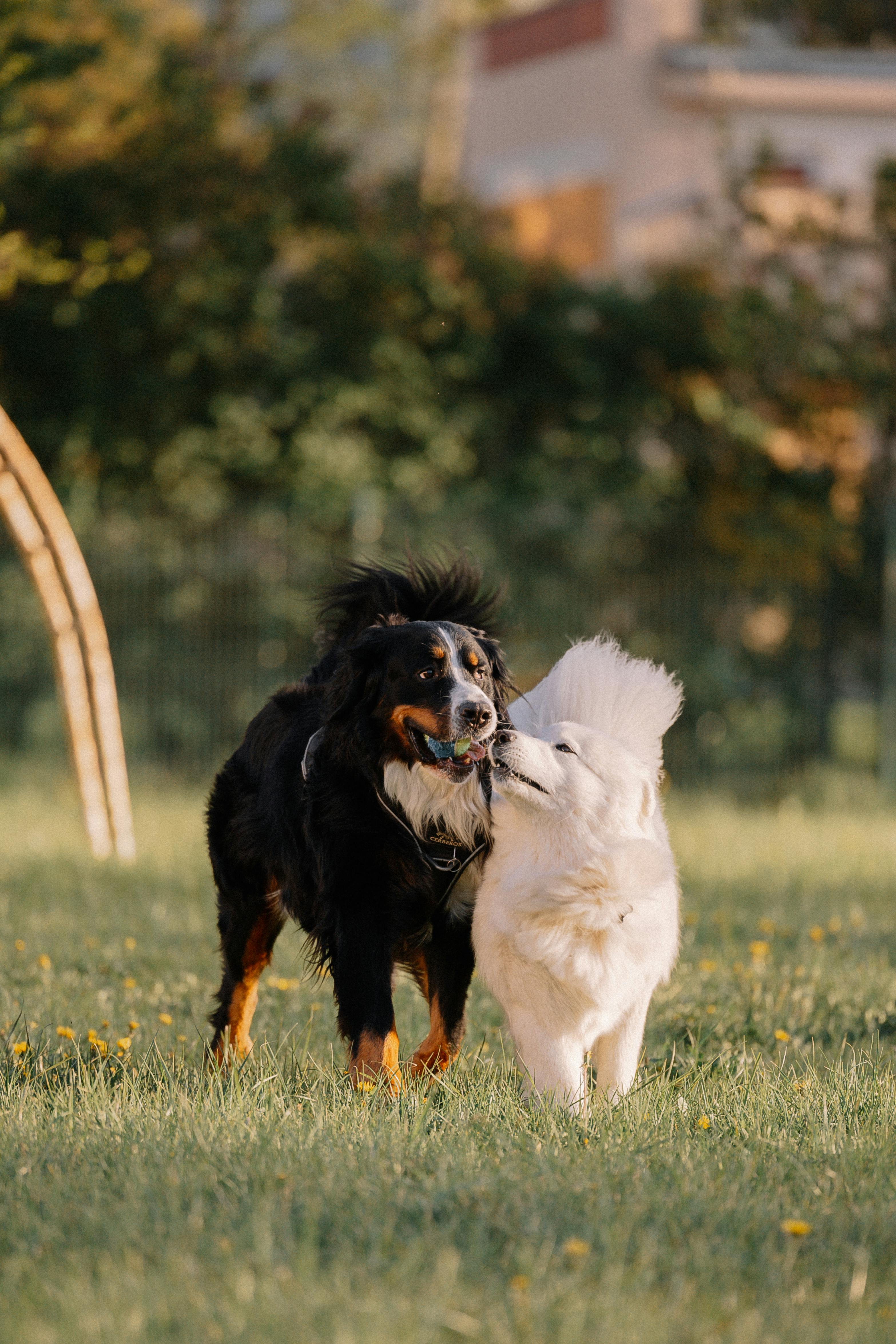
The Bernese Mountain Dog is a testament to the fact that size and gentleness can coexist beautifully. These large, tri-colored working dogs from the Swiss Alps combine impressive strength with a remarkably sweet temperament. With their flowing black coat marked with rich rust and bright white, intelligent eyes, and calm demeanor, Bernese Mountain Dogs capture hearts wherever they go. They're gentle with children, devoted to family, and possess a steady, affectionate nature that makes them beloved companions despite their considerable size.
The Bernese Mountain Dog originated in the canton of Bern in Switzerland, where they were developed as versatile farm dogs over 2,000 years ago. These dogs pulled carts loaded with milk, cheese, and other goods to market, herded cattle, and served as watchdogs for Swiss farmsteads. Their strength, intelligence, and calm temperament made them invaluable working partners in the mountainous terrain.
By the late 1800s, industrialization reduced the need for draft dogs, and the breed's numbers dwindled dramatically. A Swiss innkeeper and dedicated breed enthusiast named Franz Schertenleib searched the rural areas around Bern for remaining examples of these farm dogs. Along with other fanciers, he worked to preserve and standardize the breed, which was formally recognized as the Bernese Mountain Dog in 1907.
The first Bernese arrived in the United States in 1926, though the breed didn't gain significant popularity until the 1970s and 1980s. The American Kennel Club recognized the breed in 1937. Today, while few Bernese still work as draft dogs, many participate in carting and drafting trials that honor their heritage.
Their gentle nature, striking appearance, and devotion to family have made them increasingly popular as companions, though their short lifespan remains a heartbreaking aspect of owning this wonderful breed.
The Bernese Mountain Dog is gentle, affectionate, and remarkably attuned to their family's emotions. These dogs thrive on companionship and want to be near their people constantly. Despite their size, many Bernese consider themselves lap dogs and will attempt to curl up on the couch or lean heavily against your legs.
This breed is known for being especially wonderful with children. Their patience, gentle nature, and tolerance make them ideal family dogs, though supervision is necessary simply due to their size — an enthusiastic tail wag or playful bump from a 100-pound dog can knock over a small child.
Bernese are typically friendly toward strangers, though they may be reserved at first. They're watchful and will alert you to visitors but aren't aggressive. Early socialization helps ensure their natural friendliness develops fully and prevents shyness.
With other dogs, Bernese are generally good-natured and playful, particularly when raised together. Their calm energy level suits many different dog personalities. They also typically do well with other household pets when properly introduced.
One notable characteristic is their sensitivity. Bernese Mountain Dogs are emotionally sensitive and respond poorly to harsh training methods or family tension. They need patient, positive guidance and a calm household environment to thrive.
Some Bernese can be slow to mature, remaining puppyish mentally well into their second or third year. This extended adolescence, combined with their size, requires patience during training.
A Striking and Substantial Build
The Bernese Mountain Dog is a large, sturdy dog built for draft work in mountainous terrain. Males typically stand 25-27.5 inches at the shoulder and weigh 80-115 pounds, while females are 23-26 inches and 70-95 pounds. They're substantially built with strong bones and well-developed muscles.
Their most distinctive feature is their beautiful tri-colored coat: jet black with rich rust markings over the eyes, on the cheeks, chest, and legs, plus bright white markings on the chest, paws, and tail tip. The ideal Bernese has a white blaze on the face and a white "Swiss cross" on the chest, though not all have these markings.
The coat is moderately long, thick, and slightly wavy or straight, with a bright natural sheen. This heavy double coat protected them from harsh Alpine weather but requires regular maintenance and means they're not suited to hot climates.
Despite their working heritage, Bernese Mountain Dogs are moderate energy dogs. They need regular exercise — typically one to two hours daily — but aren't as demanding as many other working breeds. Daily walks, playtime in the yard, and opportunities to roam in safe areas meet their physical needs.
Bernese enjoy activities like hiking (in cool weather), carting and drafting, leisurely swims, and play sessions with their family. They appreciate mental stimulation through training and puzzle toys but aren't hyperactive or obsessive about exercise like some working breeds.
Heat is a significant concern. Their heavy coat makes them prone to overheating, so exercise during hot weather should be limited to early morning or evening, with plenty of water and shade available. Many Bernese are happiest in cooler climates and absolutely love snow.
Young Bernese should have exercise limited and controlled to protect their developing joints. Excessive running, jumping, or rough play during puppyhood can contribute to joint problems later in life.
Bernese Mountain Dogs are intelligent and eager to please, making them generally easy to train with the right approach. They respond beautifully to positive reinforcement — praise, treats, and play are far more effective than harsh corrections, which can shut down their sensitive nature.
Consistency and patience are important, especially during their extended adolescence. Basic obedience training should start early, as it's much easier to guide a 30-pound puppy than wrestle with a 100-pound adolescent.
Socialization is crucial and should begin in puppyhood. Exposing them to various people, animals, environments, and experiences builds confidence and ensures their natural friendliness develops appropriately.
Many Bernese enjoy activities like therapy work, where their gentle, calm nature shines. They can also excel in obedience, drafting, and tracking, though they work at a more measured pace than some high-drive working breeds.
The Bernese Mountain Dog's thick coat requires regular maintenance. Brushing several times a week prevents matting and controls shedding, though daily brushing becomes necessary during heavy shedding seasons, which happen twice a year. Be prepared for significant amounts of shed hair — Bernese are heavy shedders.
Bathing is needed every few months or when they get dirty. Their coat sheds dirt reasonably well, though the white markings can show stains. Pay special attention to the areas behind the ears and the feathering on the legs, where mats can develop.
Regular nail trims, ear checks (their drop ears can be prone to infections), and dental care complete the grooming routine. Many Bernese drool, particularly when hot or after drinking, so keeping a towel handy is practical.
7-10 years
This is the heartbreaking aspect of Bernese Mountain Dogs: their lifespan is tragically short, typically only 7-10 years. They're prone to several serious health conditions, including various cancers (particularly histiocytic sarcoma), hip and elbow dysplasia, progressive retinal atrophy, and bloat.
Cancer is the leading cause of death in the breed, occurring at higher rates than in most other breeds. Responsible breeders screen for genetic conditions and select breeding stock carefully, but prospective owners must understand and accept the likelihood of a shortened lifespan.
Maintaining healthy weight, providing appropriate exercise, and regular veterinary care help maximize the time you have with them. The trade-off of limited years for incomparable companionship is one every potential Bernese owner must carefully consider.
Bernese Mountain Dogs may be predisposed to the following health conditions. Click on any condition to learn more about symptoms, treatment, and prevention.