Australian Shepherd
Beauty, Brains, and Boundless Energy
Beauty, Brains, and Boundless Energy
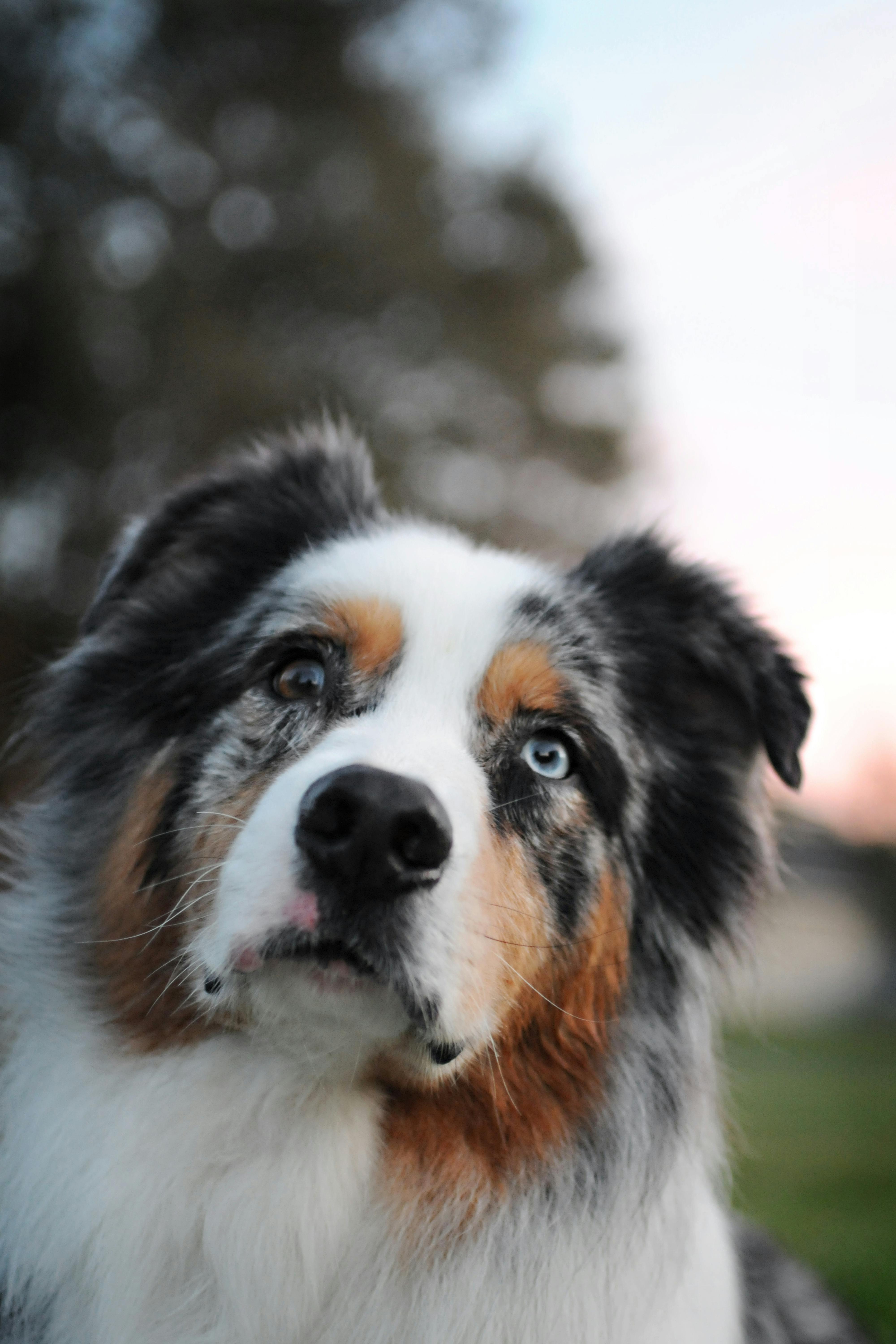
Despite the name, the Australian Shepherd is thoroughly American — a versatile herding dog that combines striking good looks with exceptional intelligence and work ethic. With their merle coats, piercing eyes, and athletic build, Aussies turn heads wherever they go. But beneath that gorgeous exterior is a driven, energetic working dog that needs purpose and partnership to truly thrive.
The Australian Shepherd's name is misleading — the breed was developed entirely in the western United States, likely in California, during the 19th century. The "Australian" label probably came from the breed's association with Basque shepherds who immigrated to America from Australia, bringing their sheep and herding dogs with them.
These shepherds needed versatile dogs capable of handling large flocks across varied terrain and weather conditions. Through selective breeding of various collie-type dogs (possibly including Border Collies, Collies, and other shepherd breeds), they created the Australian Shepherd — a medium-sized, agile herder with exceptional stamina and problem-solving ability.
The breed gained wider recognition in the post-World War II era when western horsemanship became popular. Aussies performed in rodeos, appeared in Western films, and wowed audiences with their intelligence and trainability. The American Kennel Club officially recognized the breed in 1993, though dedicated enthusiasts had been preserving and promoting Aussies for decades.
Today, Australian Shepherds excel not only in herding but also in dog sports, search and rescue, therapy work, and as active family companions. Their versatility and drive make them one of the most capable all-around working breeds.
An Energetic, Focused Companion
The Australian Shepherd is intelligent, loyal, and intensely focused. This breed lives to work and forms strong bonds with their families. Aussies are thinking dogs — they observe, calculate, and problem-solve constantly. That mental activity is endearing but also means they need regular mental challenges to stay happy.
These dogs are devoted companions who want to participate in every aspect of family life. They're affectionate and playful with their people, though often more reserved with strangers. Many Aussies are naturally protective of their family and territory, making them excellent watchdogs.
Their herding instinct is strong and shows in everyday behavior. Aussies may try to herd children, other pets, or even cars by nipping, circling, or staring intently. This behavior requires management and appropriate outlets. Without proper training and exercise, the herding drive can manifest in unwanted ways.
With children, Australian Shepherds can be wonderful companions, though their energy and herding tendencies mean supervision is important with young kids. They generally do well with other dogs and pets when properly socialized, though their intense play style may overwhelm more timid animals.
The Australian Shepherd is a medium-sized dog with a balanced, athletic build designed for endurance and agility. Males typically stand 20-23 inches at the shoulder and weigh 50-65 pounds, while females are 18-21 inches and 40-55 pounds. They're substantial enough to handle demanding work but agile enough for quick directional changes.
One of the breed's most striking features is their coat, which comes in four recognized colors: black, blue merle, red, and red merle, all with or without white markings and copper points. The merle pattern — a mottled effect of lighter and darker patches — is particularly eye-catching.
Their eyes are another distinctive feature, ranging from brown to blue, amber, or any combination thereof. Some Aussies have heterochromia (two different colored eyes) or marbled eyes. The breed's moderate-length double coat, feathering on the legs, and plumed tail create a beautiful, functional package.
18-23 in
40-65 lbs
Double coat
12-15 years
Australian Shepherds are high-energy dogs that require substantial daily exercise — at least 1-2 hours of vigorous activity, and many need more. A quick walk around the block won't satisfy this breed. They need activities that challenge both body and mind.
Aussies excel at virtually every dog sport: agility, obedience, herding trials, flyball, disc dog, dock diving, and more. These activities provide the perfect combination of physical exercise and mental stimulation. Many also enjoy hiking, running, swimming, and playing fetch with endless enthusiasm.
Without adequate exercise and mental stimulation, Australian Shepherds become destructive, hyperactive, and difficult to live with. A bored Aussie will find ways to entertain themselves — digging, barking, chewing, or inventing their own "jobs" that you probably won't appreciate.
Australian Shepherds are highly trainable and eager to work, making them a joy for experienced dog owners. They learn quickly and retain training well, but their intelligence means they also learn bad habits just as fast. Consistency is crucial.
Positive reinforcement methods work beautifully with this breed. They respond well to praise, play, and food rewards, though they're sensitive to harsh corrections. Training should be varied and challenging to keep them engaged — Aussies get bored with repetitive drills.
Early socialization is important to help them develop into well-adjusted adults. Exposure to different people, animals, and environments teaches them that new experiences are positive, not threatening. This helps prevent the wariness of strangers from becoming excessive.
The herding instinct needs appropriate outlets. Many owners find that herding lessons, even recreational ones, help satisfy this drive. Teaching strong impulse control and "leave it" commands helps manage herding behavior around children and other pets.
The Australian Shepherd's medium-length double coat requires regular maintenance. Brushing several times a week prevents matting and controls shedding, though during seasonal coat-blowing periods, daily brushing becomes necessary.
Their coat tends to stay fairly clean, so bathing is needed only occasionally. Pay special attention to the feathering on the legs and the area behind the ears, where mats can develop. Regular nail trims, ear checks, and dental care round out the grooming routine.
Some Aussies are born with naturally bobbed tails, while others have full-length tails. Both are accepted in the breed standard in many countries.
12-15 years
Australian Shepherds are generally healthy with a lifespan of 12-15 years, though they can be prone to certain conditions. Hip dysplasia, elbow dysplasia, epilepsy, certain eye conditions (including progressive retinal atrophy and cataracts), and multidrug sensitivity (MDR1 gene mutation) are concerns in the breed.
The MDR1 mutation is particularly important as it affects the dog's ability to metabolize certain medications. Responsible breeders test for this and other genetic conditions. Additionally, merle-to-merle breeding should be avoided as it produces "double merle" puppies with significantly increased risk of deafness and blindness.