The Essential Guide to Puppy Training
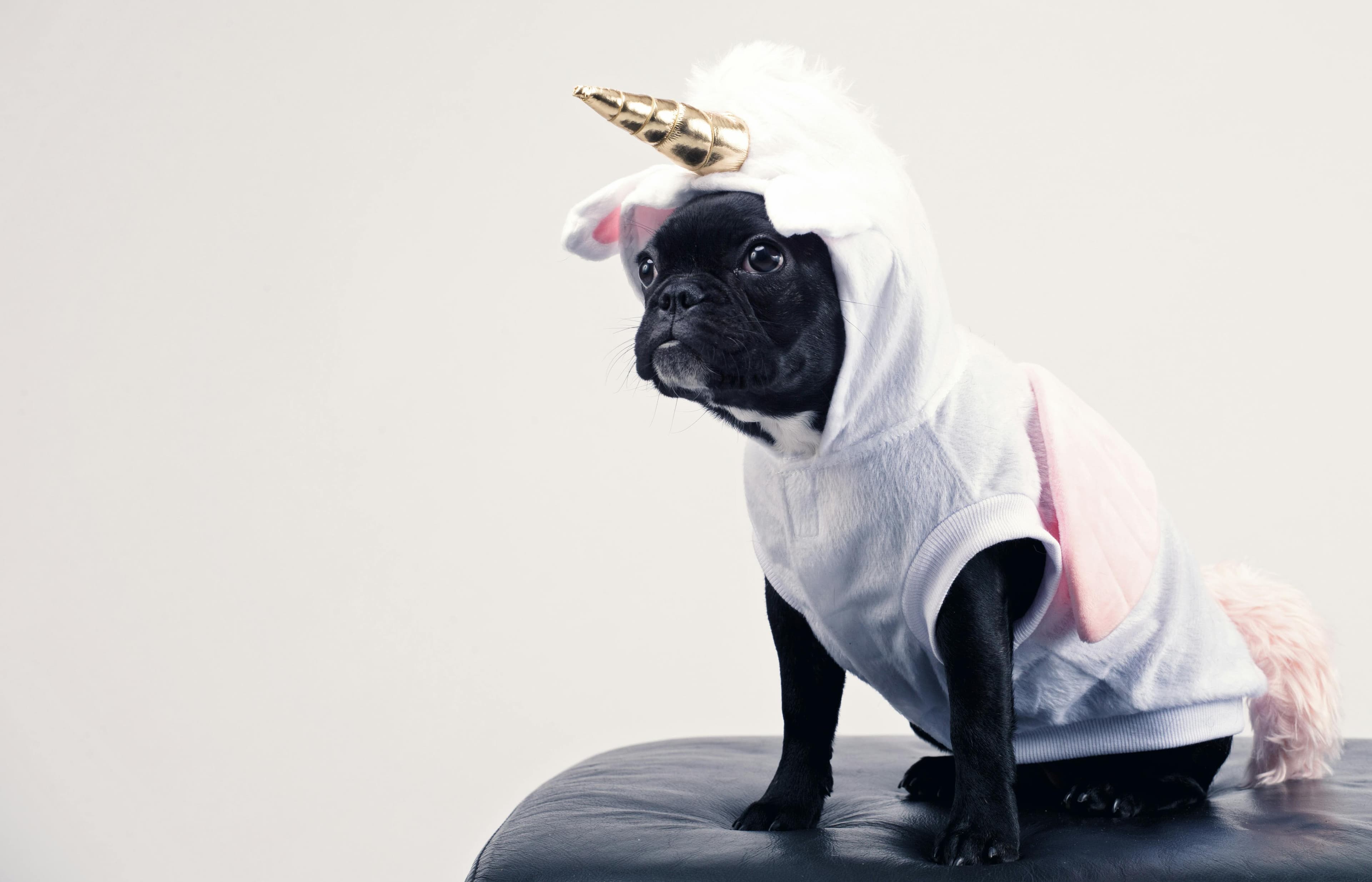
The Essential Guide to Puppy Training: A Journey of Pawsitive Reinforcement
Bringing a new puppy into your home is an adventure filled with joy, laughter, and a fair share of challenges. One of the most crucial aspects of this journey is training. Proper training from a young age not only ensures a well-behaved companion but also strengthens the bond between you and your furry friend. This comprehensive guide will walk you through the essentials of puppy training, from basic commands to socialization and problem-solving.
The Golden Rule: Start Early and Be Consistent
The moment your puppy steps into their new home, the training begins. Puppies are like sponges, ready to soak up information. Their critical learning period is between 3 and 16 weeks of age, making this the ideal time to introduce them to new experiences and basic commands.
Consistency is the cornerstone of successful training. Every member of the household should use the same cues and rules. If "sit" means "put your bottom on the floor," it should mean that every time, for everyone. This clarity helps your puppy understand what is expected of them and avoids confusion.
Pawsitive Reinforcement: The Heart of Modern Training
Gone are the days of harsh, punishment-based training methods. Today, positive reinforcement is the gold standard. This method focuses on rewarding desired behaviors, making your puppy eager to learn. Rewards can be anything your puppy loves: a tasty treat, a favorite toy, or enthusiastic praise.
When your puppy does something right, reward them immediately. This instant feedback helps them connect the action with the reward. Keep training sessions short and fun, especially for young puppies with short attention spans. Five to ten minutes a few times a day is more effective than one long, grueling session.
The Building Blocks: Essential Commands
Teaching your puppy basic commands is like giving them a language to communicate with you. Here are some of the most important ones:
Name Recognition
Before you can teach your puppy anything else, they need to know their name. Use their name frequently in a positive, upbeat tone. When they look at you, reward them with a treat and praise. Avoid using their name in a negative context, as you want them to associate it with good things.
Sit
The "sit" command is one of the easiest to teach and is a great starting point.
- Lure: Hold a small, high-value treat near your puppy’s nose.
- Guide: Slowly move the treat up and over their head. As their nose goes up, their rear will naturally go down.
- Mark and Reward: The moment their bottom touches the floor, say "Yes!" or "Good!" and give them the treat.
- Add the Cue: Once your puppy is reliably sitting with the lure, start saying "Sit" just as they begin to lower themselves.
Come
A reliable recall is one of the most important safety commands you can teach your dog.
- Start Easy: Begin in a quiet, distraction-free area.
- Get Their Attention: Say your puppy’s name in an excited tone.
- Give the Cue: As they start to move towards you, say "Come!" and open your arms wide.
- Reward Generously: When they reach you, shower them with praise and treats. Make coming to you the best thing that can happen.
Down
The "down" command can be a bit more challenging, as it's a submissive posture.
- From a Sit: Start with your puppy in a sit.
- Lure: Hold a treat to their nose and slowly lower it to the floor between their paws.
- Guide: As they follow the treat, they will lie down.
- Mark and Reward: The moment their elbows touch the ground, mark the behavior and give them the treat.
Stay
"Stay" is a command of self-control and requires patience to teach.
- Start Small: Ask your puppy to sit or lie down.
- Introduce the Cue: Hold your hand up in a "stop" gesture, say "Stay," and take one small step back.
- Quick Reward: If they stay, immediately step back to them and give them a treat.
- Gradual Increase: Slowly increase the distance and duration of the stay. If they break the stay, calmly lead them back to the original spot and try again with a shorter duration.
The All-Important Potty Training
Potty training is often the most daunting task for new puppy owners, but with a consistent routine, it can be mastered.
Establish a Routine
Take your puppy out frequently, especially:
- First thing in the morning
- Last thing at night
- After waking up from a nap
- After playing
- After eating
- Before being left alone
Choose a Spot
Designate a specific potty spot in your yard. This will help your puppy associate that area with elimination.
Use a Cue
As your puppy is eliminating, use a verbal cue like "Go potty." This will eventually help you prompt them to go on command.
Reward Success
When your puppy eliminates in the correct spot, praise them enthusiastically and give them a high-value treat.
Manage Accidents
Accidents will happen. When they do, never punish your puppy. This will only create fear and anxiety. Clean the area thoroughly with an enzymatic cleaner to eliminate any lingering scent that might attract them back to the same spot.
Socialization: Creating a Well-Adjusted Dog
Socialization is the process of exposing your puppy to a wide variety of sights, sounds, people, and other animals in a positive and controlled way. The critical socialization window is between 3 and 14 weeks of age.
Positive Experiences
The key to successful socialization is to make every new experience a positive one.
- People: Introduce your puppy to people of all ages, appearances, and genders.
- Animals: Arrange supervised playdates with healthy, vaccinated, and friendly dogs.
- Environments: Take your puppy to different places, such as pet-friendly stores, parks, and cafes.
- Sights and Sounds: Expose them to everyday sights and sounds like vacuum cleaners, traffic, and doorbells.
Go at Their Pace
Never force your puppy into a situation where they are clearly uncomfortable. If they seem scared, remove them from the situation and try again later with a more gradual introduction.
Crate Training: A Safe Haven
A crate can be a valuable tool for training and management. It provides your puppy with a safe, den-like space of their own.
Make it Positive
Introduce the crate with treats and toys. Feed your puppy their meals in the crate to create a positive association.
Start Slow
Begin with short periods of time in the crate and gradually increase the duration.
Never Use as Punishment
The crate should always be a happy and safe place. Never send your puppy to their crate as a punishment.
Tackling Common Puppy Problems
Nipping and Play Biting
Puppies explore the world with their mouths. It's your job to teach them what is and isn't appropriate to bite.
- Redirect: When your puppy nips you, yelp "Ouch!" in a high-pitched voice and redirect their attention to a chew toy.
- Bite Inhibition: Teach them to be gentle with their mouths by. allowing them to mouth your hand and then yelping if they bite too hard.
Chewing
Chewing is a natural behavior for puppies, especially when they are teething.
- Puppy-Proof Your Home: Remove any potential hazards and valuable items from your puppy's reach.
- Provide Appropriate Chew Toys: Offer a variety of safe and durable chew toys to keep them occupied.
The Journey Ahead
Training a puppy is a marathon, not a sprint. There will be good days and bad days, successes and setbacks. The key is to remain patient, positive, and consistent. The effort you put in now will pay off for years to come, resulting in a well-behaved, confident, and happy companion. Remember to celebrate the small victories and enjoy the process of watching your puppy grow and learn.
Explore More Dog Breeds
Discover detailed information about hundreds of dog breeds, including their characteristics, temperament, care requirements, and more.
Browse All Breeds