Creating a Safe Home for Your Dog
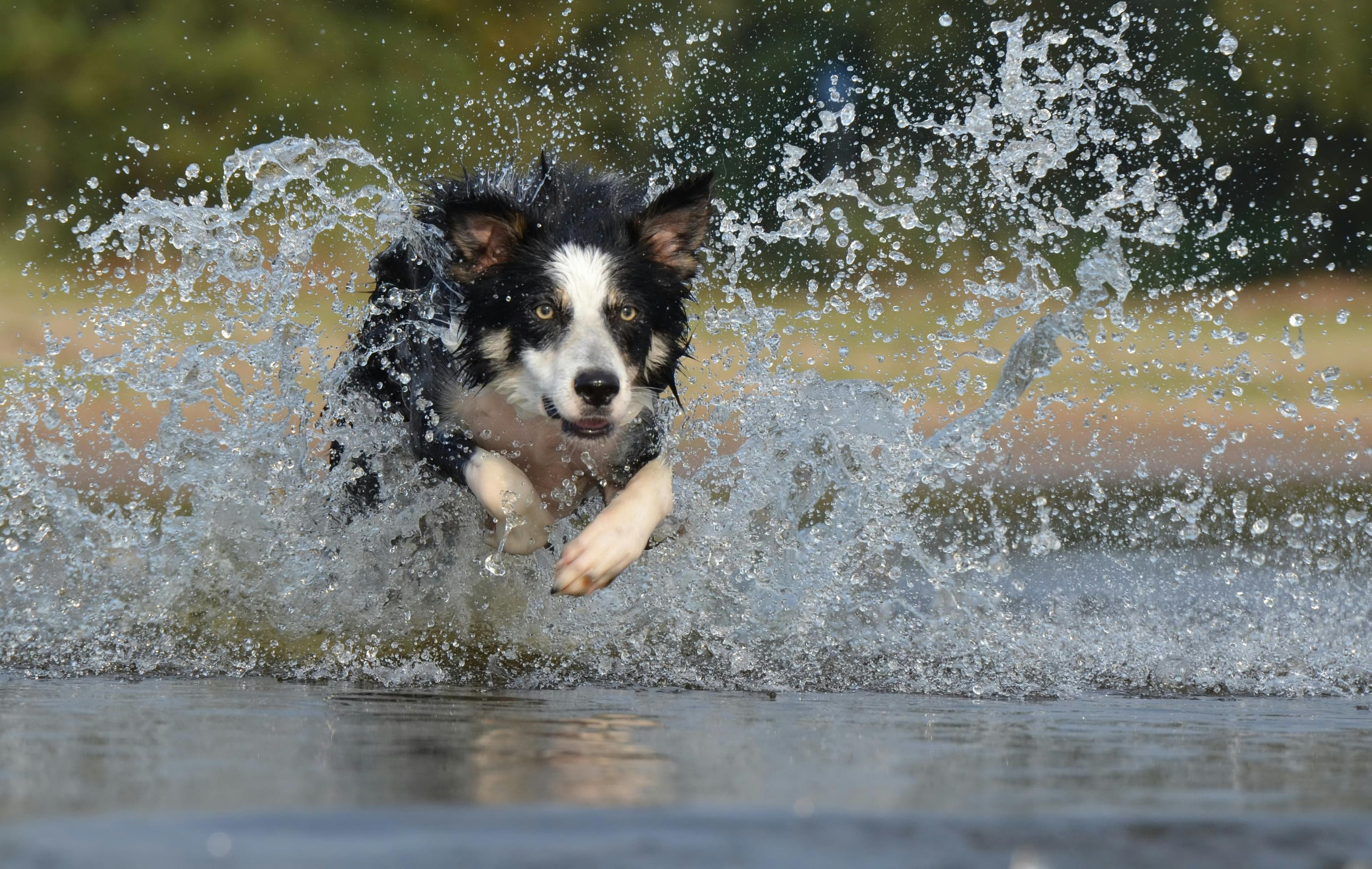
A Haven of Safety: How to Puppy-Proof and Dog-Proof Your Home
Bringing a dog into your life is a joyous occasion. Their playful antics and unwavering loyalty can turn a house into a home. But just as you would for a small child, it's essential to create a safe environment for your new canine companion. Dogs, especially puppies, are naturally curious and explore the world with their mouths. This can lead them into dangerous situations if your home isn't properly prepared. This comprehensive guide will walk you through the process of dog-proofing your home, ensuring it's a safe and secure haven for your furry friend.
The Kitchen: A Recipe for Danger
The kitchen is often the heart of the home, but it can also be one of the most dangerous places for a dog. With a tantalizing array of smells and tastes, it's a magnet for curious canines.
Food Hazards
Many human foods are toxic to dogs. It's crucial to keep these out of reach:
- Chocolate, Grapes, and Raisins: These are highly toxic and can cause kidney failure.
- Onions, Garlic, and Chives: These can damage a dog's red blood cells.
- Xylitol: This artificial sweetener, found in many sugar-free products, is extremely poisonous to dogs.
- Cooked Bones: These can splinter and cause choking or internal injuries.
Other Kitchen Dangers
- Trash Cans: Secure your trash cans with a lid that your dog can't open. They contain a host of dangers, from sharp objects to spoiled food.
- Cleaning Supplies: Store all cleaning supplies in a locked cabinet or on a high shelf. Many contain harsh chemicals that are toxic if ingested.
- Stovetops: Teach your dog to stay away from the stove, and never leave food unattended while cooking.
The Living Room: Comfort and Caution
The living room is a place for relaxation and family time, but it also has its share of potential hazards.
Electrical Cords and Wires
Puppies, in particular, love to chew on electrical cords. This can lead to severe burns or electrocution.
- Cover or Conceal: Use cord concealers or run cords behind furniture to keep them out of reach.
- Bitter Sprays: Applying a bitter-tasting spray to cords can deter chewing.
Plants
Many common houseplants are toxic to dogs. Before bringing a new plant into your home, do your research to ensure it's pet-safe. Some of the most common toxic plants include:
- Lilies
- Tulips
- Daffodils
- Poinsettias
- Sago Palms
Small Objects
Keep small objects like remote controls, batteries, and children's toys off the floor and out of your dog's reach. These can be choking hazards or cause internal blockages if swallowed.
The Bedrooms: A Place for Rest, Not Risk
Bedrooms should be a sanctuary for both you and your dog, but they also contain hidden dangers.
Medications
Keep all medications, both prescription and over-the-counter, in a secure cabinet. Many human medications are toxic to dogs, and child-proof caps are not always dog-proof.
Mothballs
Mothballs are highly toxic and can cause serious illness or death if ingested. Use cedar chips or other natural alternatives to protect your clothes.
Laundry and Shoes
Keep laundry baskets and shoes in a closet. Socks, underwear, and other small items of clothing can be tempting for a dog to chew and swallow, leading to a potential intestinal blockage.
The Bathroom: A Splash of Safety
The bathroom is another room that requires careful attention.
Toilets
Keep the toilet lid closed to prevent your dog from drinking from it. Toilet water can contain harmful bacteria, and cleaning products can be toxic.
Medications and Toiletries
Store all medications, toiletries, and cleaning supplies in a secure cabinet.
The Garage and Yard: The Great Outdoors (with Guardrails)
The garage and yard can be a paradise for a dog, but they also contain some of the most serious hazards.
Chemicals
Antifreeze is extremely toxic to dogs and has a sweet taste that they find appealing. Clean up any spills immediately and store antifreeze and other chemicals, such as pesticides and herbicides, in a locked cabinet.
Fencing
Ensure your yard is securely fenced to prevent your dog from escaping. Regularly check for any gaps or holes in the fence.
Plants
Many common yard plants are toxic to dogs. Research any plants in your yard and remove any that are poisonous.
Swimming Pools
If you have a swimming pool, ensure it is securely fenced and that your dog cannot access it without supervision. Teach your dog how to safely exit the pool.
Creating a Safe Space: The Importance of a Den
Providing your dog with a safe space of their own, such as a crate or a designated bed, can help them feel secure and reduce anxiety. This is especially important when you have guests over or when there are loud noises, such as thunderstorms or fireworks.
A Lifelong Commitment to Safety
Dog-proofing your home is not a one-time task. It's an ongoing process that requires vigilance and awareness. As your dog grows and changes, so too will their ability to get into mischief. By taking the time to create a safe and secure environment, you can relax and enjoy the wonderful journey of dog ownership, knowing that you have done everything you can to protect your furry best friend.
Explore More Dog Breeds
Discover detailed information about hundreds of dog breeds, including their characteristics, temperament, care requirements, and more.
Browse All Breeds